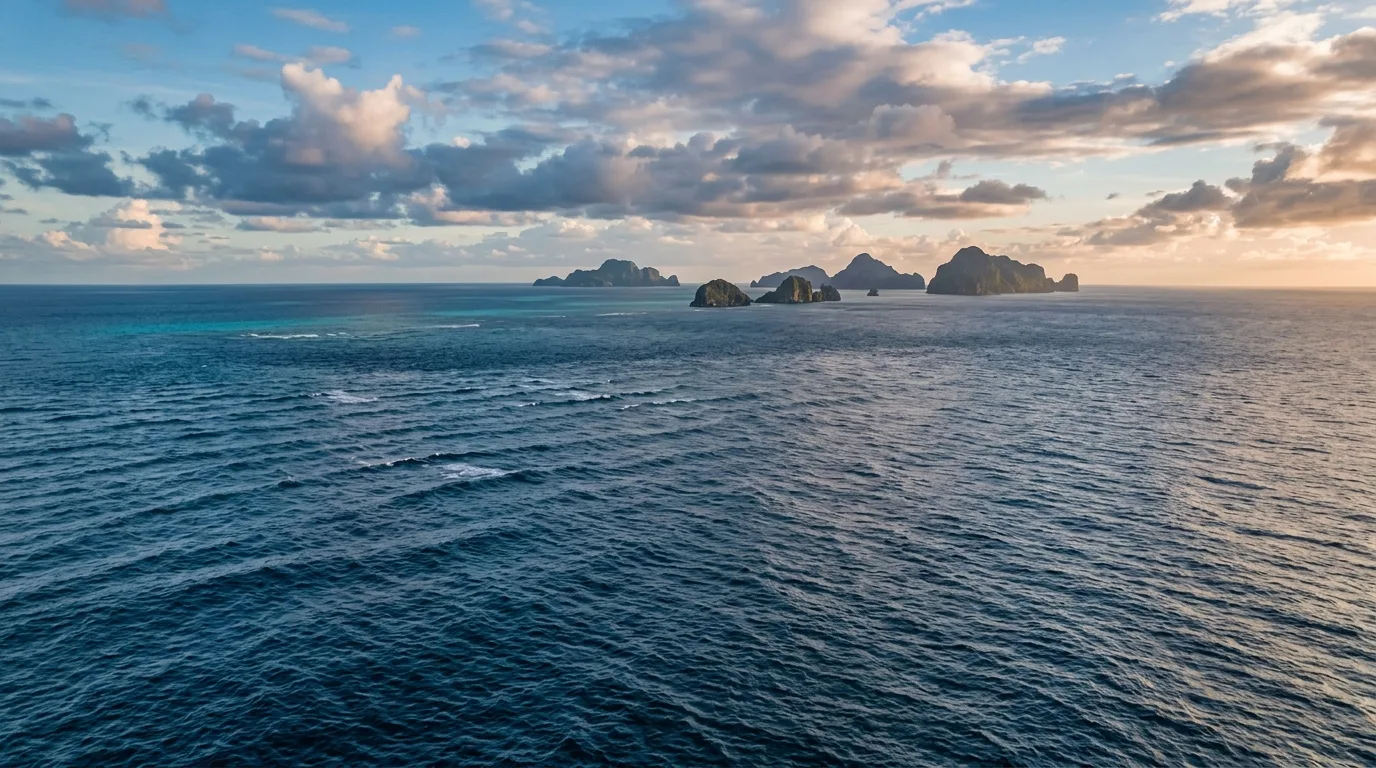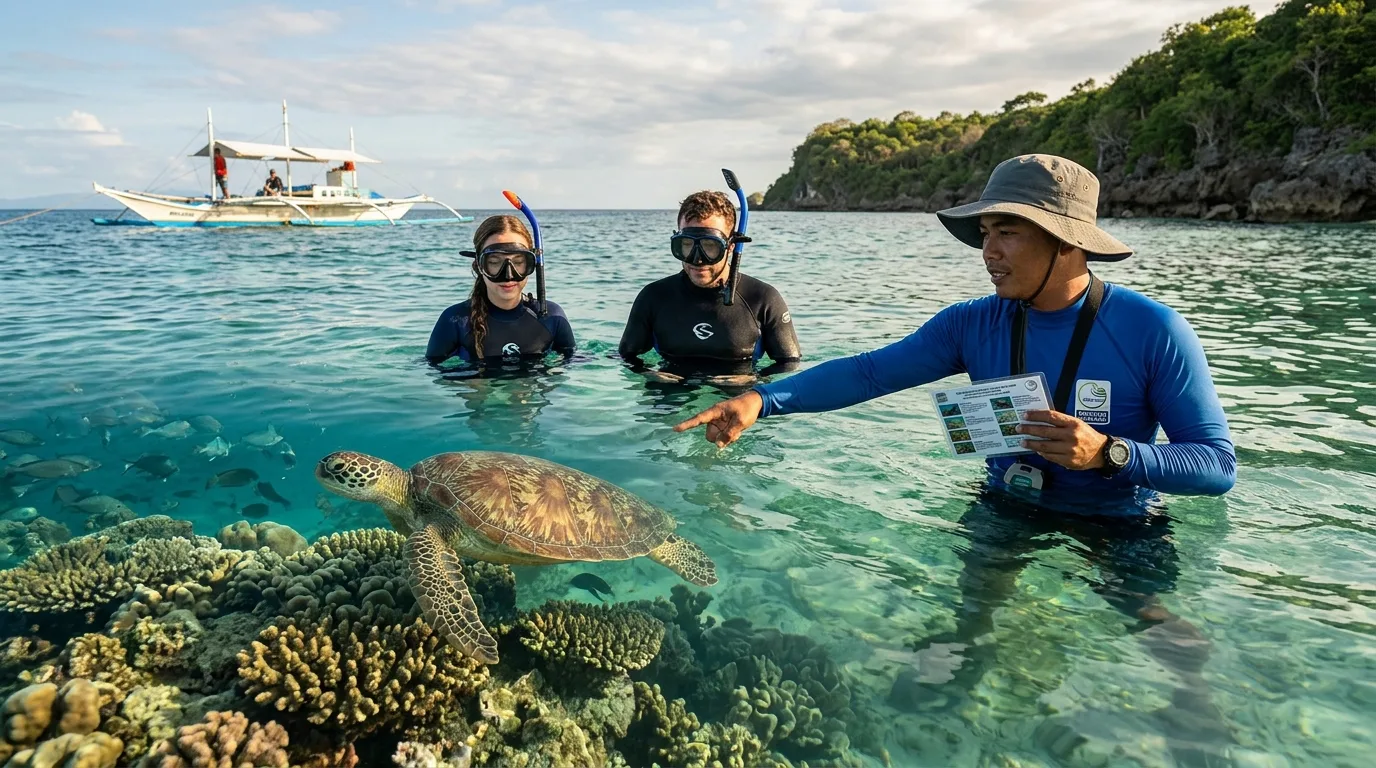
Bohol — The island province's commitment to its status as a UNESCO Global Geopark has been reinforced by the ongoing enforcement of Provincial Ordinance No. 2026-004. This policy prioritizes marine wildlife conservation over tourism, mandating a strict "no permit, no operation" rule for all wildlife interaction activities. By designating specific interaction zones and limiting the number of daily visitors, the province is ensuring that its marine ecosystems—such as those surrounding Balicasag—are not overwhelmed. This legislative stance establishes a clear regulatory framework that tour operators must follow to maintain their legal status to operate.
The Priority of Conservation
The ordinance is designed to treat marine wildlife as a natural patrimony that must be protected, rather than a commodity to be exploited for quick tourism gains. By implementing strict safety protocols—such as mandatory distances for swimming with marine creatures and the prohibition of feeding—the province is actively reversing the damage caused by unregulated interactions in the past. These regulations are the result of collaborative efforts between the Provincial Government, marine scientists, and local tourism stakeholders. It is a firm statement that the health of the environment is the non-negotiable foundation of the province’s tourism industry.
Enforcement Through Compliance
The implementation of the Certificate of Compliance (COC) system gives the local government the tools to monitor and penalize operators who fail to meet safety and ecological standards. This regulatory mechanism ensures that only those who undergo proper training and follow the approved interaction guidelines are allowed to bring guests to sensitive sites. Penalties for violations are severe, ranging from heavy fines to the permanent revocation of operating permits. This creates a high-stakes environment where compliance with environmental law is essential for survival in the tourism sector.
Community and Institutional Stewardship
The success of this policy relies on the active participation of local coastal communities, who are now tasked with the daily stewardship of their respective waters. By training locals to act as monitors and guides, the province is creating a self-policing system that is far more effective than periodic government inspections. This bottom-up approach to conservation ensures that the rules are respected not because they are feared, but because the local people understand their value in securing the island’s long-term prosperity. It is a holistic model for governance that integrates community welfare with the protection of the natural world.