Bohol — In a major stride toward agricultural modernization, the Department of Agriculture-Philippine Rural Development Project (DA-PRDP) has officially turned over a robust portfolio of subprojects worth over P330 million to the Province of Bohol. This substantial investment, finalized during a series of ceremonies on August 22-23, 2025, includes a diverse range of critical farm-to-market roads (FMRs), advanced processing facilities, and strategic enterprise centers. By bridging the gap between local production and larger markets, these initiatives aim to provide long-term economic stability for thousands of farmers across the province.
A Strategic Network for Farmers
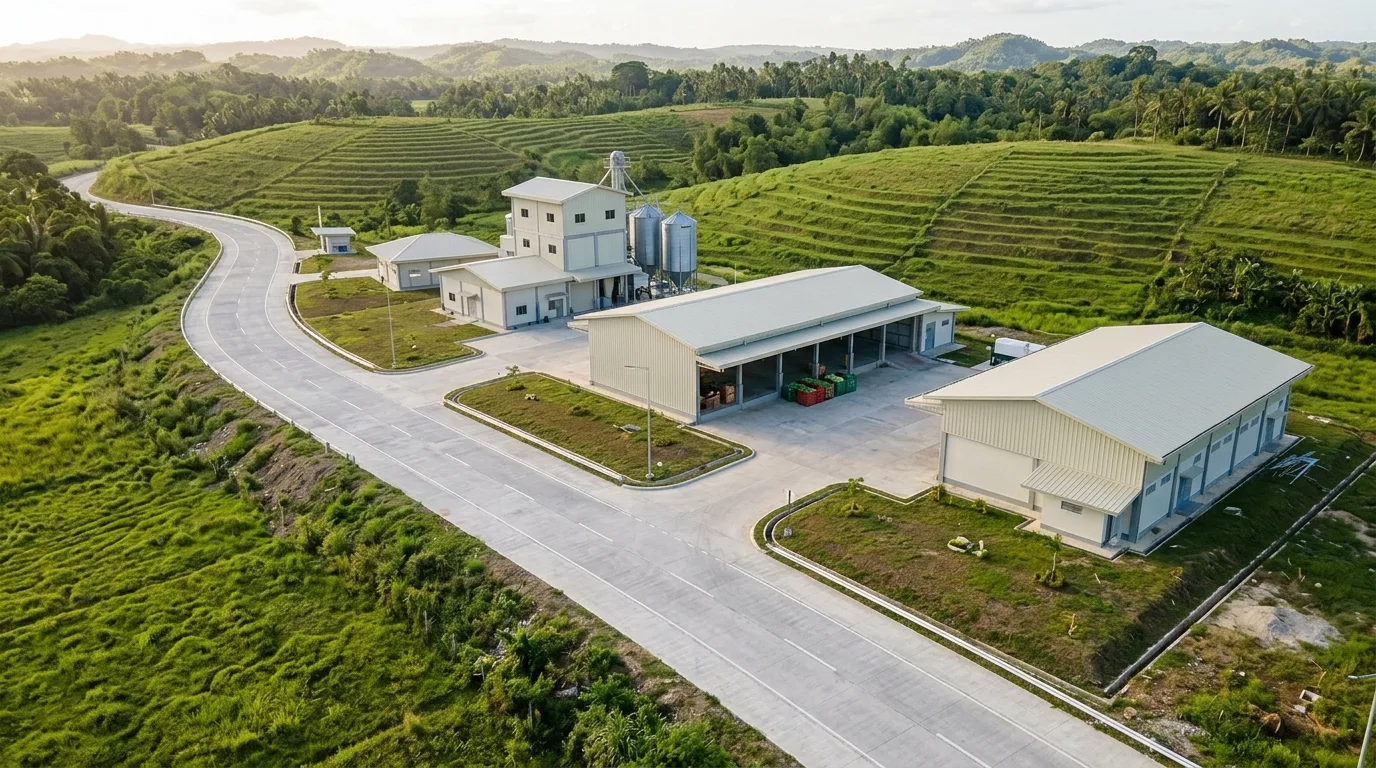
The turnover featured a mix of "I-BUILD" infrastructure projects and "I-REAP" (Enterprise Development) facilities, strategically located to support Bohol’s priority commodity value chains. Key infrastructure projects included the rehabilitation of the Pondol to Candaigan FMR in Loon and the Campagao to Cabacnitan FMR in Bilar, which are vital for ensuring that produce reaches markets quickly and with minimal spoilage. Complementing these roads are specialized enterprise facilities such as the feed mill in Sevilla, the vegetable consolidation facility in Guindulman, the silage production center in San Miguel, and the cassava processing plant in Carmen. Together, these projects create a cohesive supply chain, enabling local farmers to process their raw materials into high-value products right within their own municipalities.
Empowering Local Proponents and Ensuring Sustainability
Beyond the physical construction, the success of these projects hinges on the commitment of the local government units and the farmer-beneficiaries to keep them operational. During the turnover, DA Central Visayas Regional Executive Director Angel C. Enriquez challenged the beneficiaries to treat these facilities as "game changers" for the sector, emphasizing that the department would continue to provide technical assistance to ensure their long-term viability. Governor Erico Aristotle Aumentado echoed this sentiment, highlighting that these investments are foundational to the province's goal of building a self-sufficient agricultural economy. By integrating production, processing, and marketing, the PRDP model ensures that the gains from these projects are shared across the agricultural sector, from the smallholder farmer to the cooperative-level enterprise.
Building a Resilient Future
This P330-million investment represents a significant piece of a larger provincial roadmap aimed at modernizing Bohol’s agri-fishery sector through climate-resilient infrastructure and market-oriented planning. By leveraging local equity alongside national government and World Bank funding, Bohol has successfully transformed limited resources into high-impact assets that address long-standing input and logistics limitations. As these facilities move into their full operational phase, they are expected to serve as a model for shared growth, proving that strategic partnerships can effectively revitalize rural industries. For Bohol’s farmers, this means more than just new roads or machines; it represents the infrastructure necessary to participate more competitively in the modern, globalized agricultural market.