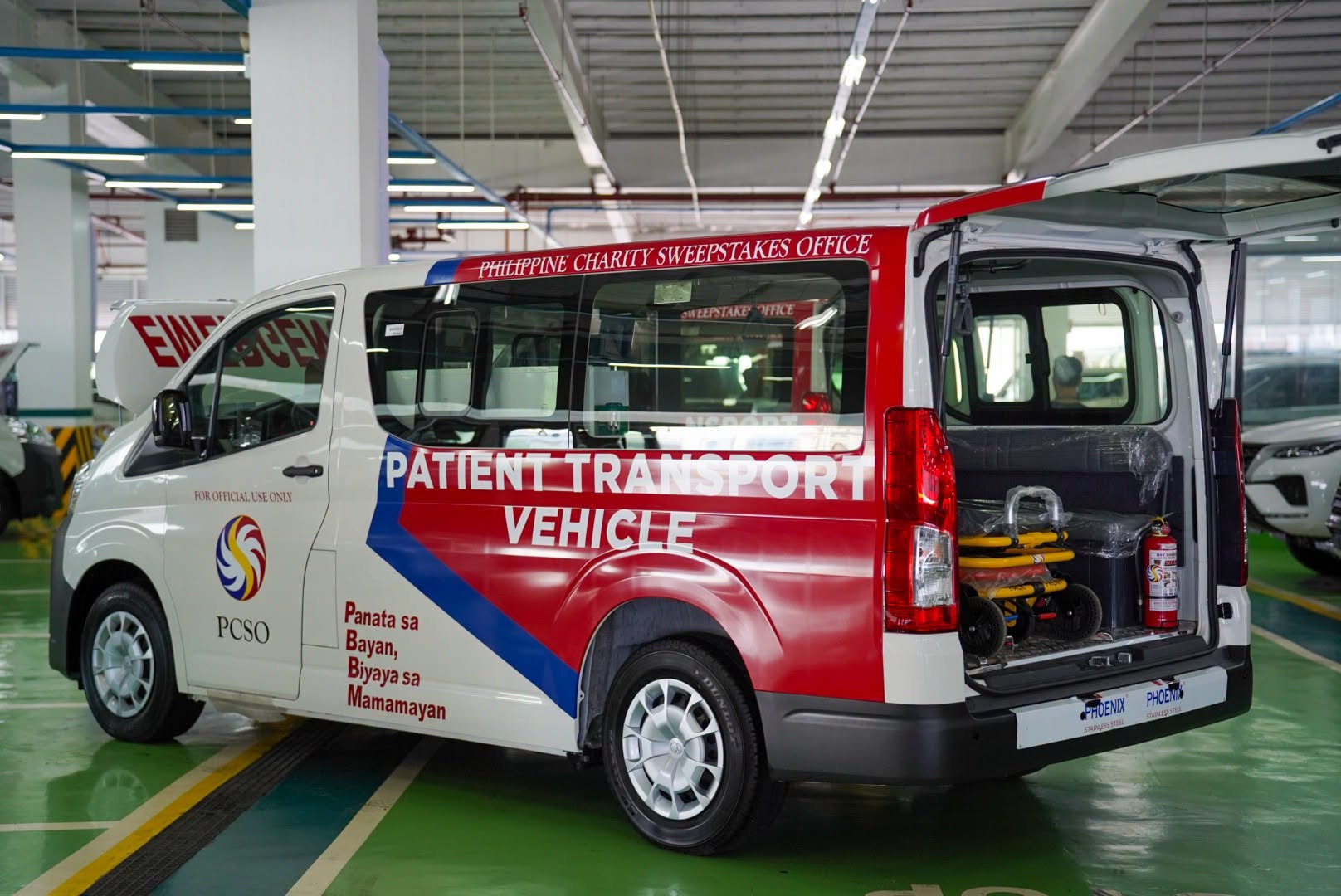
Bohol — Two brand‑new Patient Transport Vehicles were formally handed to the Provincial Government of Bohol on June 25, 2026, during a ceremony at Toyota Mabolo in Cebu City. The Philippine Charity Sweepstakes Office (PCSO) turned over the vans, boosting the province’s ability to rush patients to hospitals when every minute counts.
A Timely Donation for Island Communities
PCSO General Manager Melquiades Robles led the turnover, which gathered leaders from 10 Visayas provinces receiving identical units. Bohol was among the recipients alongside Cebu, Biliran, Leyte, Southern Leyte, Samar, Eastern Samar, Northern Samar, Negros Oriental, and Siquijor. The delivery forms part of the PCSO Medical Transport Vehicle Donation Program designed to strengthen local healthcare logistics.
Governor Aris Aumentado expressed gratitude to President Ferdinand Marcos Jr. and the PCSO for the continued support of Bohol’s health initiatives. He said the vehicles would enhance the province’s capacity to provide accessible and timely medical transport services, especially for residents in far‑flung barangays. The donation directly aligns with Bohol’s Strategic Governance Roadmap, which pushes for responsive, inclusive healthcare.
Closing the Distance to Critical Care
For families living in remote communities, a simple ambulance shortage can mean the difference between life and death. The new units are expected to reduce wait times for transfers from rural health centers to main hospitals in Tagbilaran City or even to Cebu for specialized treatment. Each vehicle is equipped with basic life‑support capability, ensuring patients receive initial care en route.
Beyond emergencies, the vans will also be used for scheduled medical missions and non‑urgent patient transfers that previously strained a limited fleet. The PCSO program specifically targets provinces that rely heavily on hospital networks scattered across islands and mountains. Bohol, with its 47 municipalities spread across a UNESCO Global Geopark terrain, stands to benefit immensely.
Part of a Bigger Push for Universal Healthcare
Robles revealed that the PCSO is racing to complete all provincial distributions before the President’s State of the Nation Address in July 2026. He stressed that the mandate from Malacañang is to keep healthcare non‑political, ensuring aid reaches recipients based on need rather than partisan affiliation. The agency has already finished distributing PTVs to every city and municipality nationwide and is now over the halfway mark for provinces.
This turnover came just a day after a similar event in Iloilo City that served Western Visayas provinces. The back‑to‑back ceremonies underscore the urgency of the mission: building a fleet that can respond to emergencies without bureaucratic delays. Robles emphasized that poor Filipinos deserve quality medical services comparable to private hospitals, even if they cannot afford to pay.
A Region‑Wide Effort to Save Lives
The Cebu City event was a multi‑province affair, with governors and representatives from the other nine Visayas provinces collecting their units. The synchronized rollout demonstrates how inter‑LGU cooperation and national agency support can level the playing field for smaller provinces. For Bohol, having a reliable fleet means being able to participate more actively in regional disaster response and patient evacuation networks.
The PCSO is also looking beyond traditional ambulances. Robles shared plans to procure landing‑craft vehicles that can function as mini Ro‑Ro vessels, ferrying patient transport vans directly from island barangays to mainland hospitals. This innovation could further bridge the gap for island communities like those in Bohol’s northern towns.