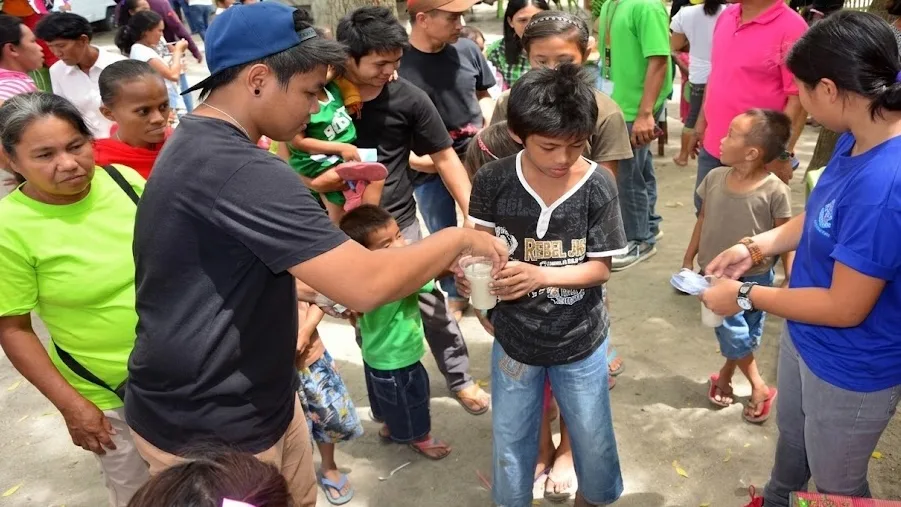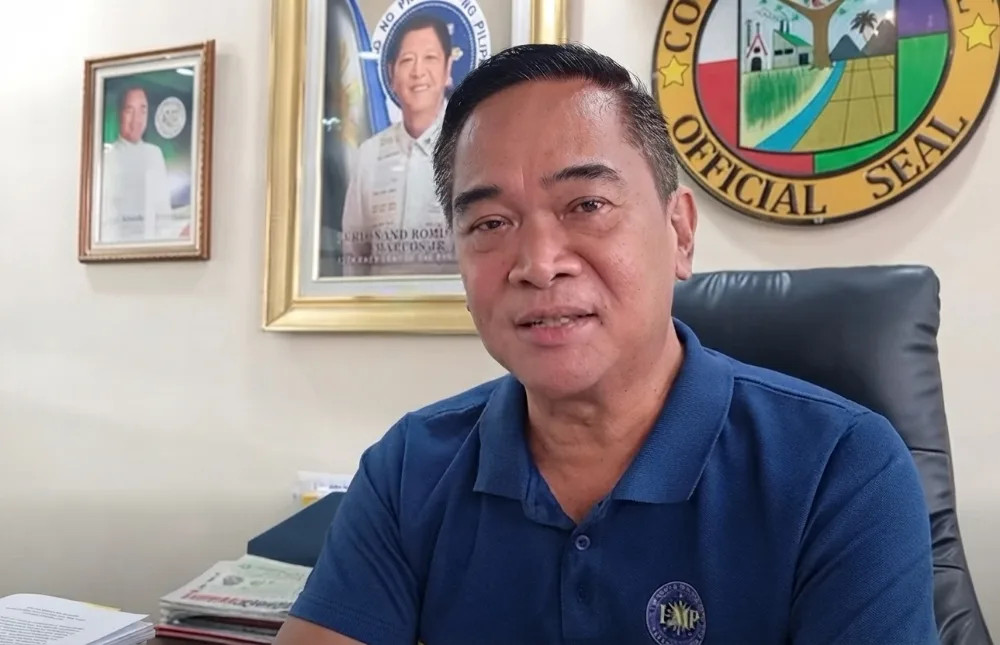
Bohol — The Municipality of Cortes in Bohol is stepping up to ensure that no vulnerable household is left behind in the pursuit of regional food security. Responding to indigent families who were uncounted during the initial provincial distribution waves, Mayor Rodrigo Dennis Uy announced the allocation of P5 million from the Local Government Support Fund (LGSF). Part of a broader P30 million national allocation directed by President Ferdinand R. Marcos Jr. for eligible municipalities, this targeted local fund will directly finance the procurement and distribution of essential rice packs to over 3,000 families across the fifth-income-class town.
Overcoming Nationwide Supply Squeezes Through Sourcing Strategies
Securing bulk food commodities has proven to be a complex logistical hurdle as local government units nationwide simultaneously execute their respective welfare rollouts. Mayor Uy explained that after local canvassing across Bohol failed to yield sufficient commercial reserves, municipal procurement teams expanded their search all the way to Mindanao to secure qualified suppliers. With competitive bidding successfully finalized and orders placed, municipal officials expect the distribution process to commence by the end of July, urging residents to remain patient as final logistics are ironed out.
Structured Three-Wave Distribution to Maximize Reach
To ensure an orderly and equitable rollout, the local administration has structured the municipal relief effort into three distinct phases. The first two waves will supply families with standard 10-kilogram rice packs, while the final wave will consist of 5-kilogram packages to fully exhaust the P5-million allocation. This targeted municipal intervention nicely complements the broader Bagong Pilipinas Rice Program spearheaded by Governor Erico Aristotle Aumentado, which aims to distribute essential rice supplies to roughly 86,000 indigent families across the entire province of Bohol.
Balancing Vital Infrastructure Projects with Immediate Food Relief
While a significant portion of Cortes's P30 million LGSF package has been rightfully earmarked for immediate food assistance, the remaining funds continue to support critical local infrastructure initiatives. This dual-pronged approach reflects thoughtful fiscal management, addressing urgent household hunger caused by rising commodity costs while simultaneously investing in long-term community development. By bridging the administrative gaps of wider regional rollouts with localized resourcefulness, Cortes is demonstrating responsive, compassionate governance that directly uplifts its grassroots communities.