Old Trees Provide Habitats That Take Decades to Develop
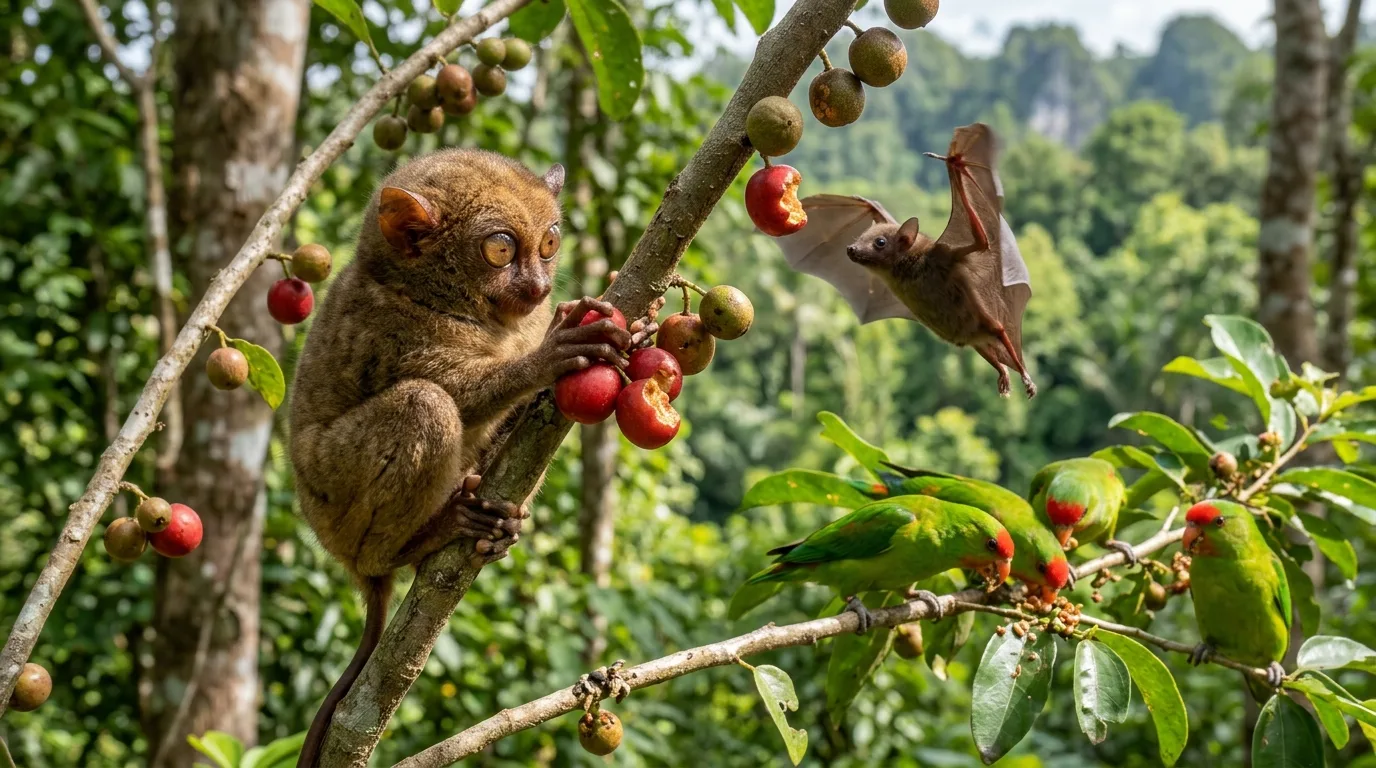
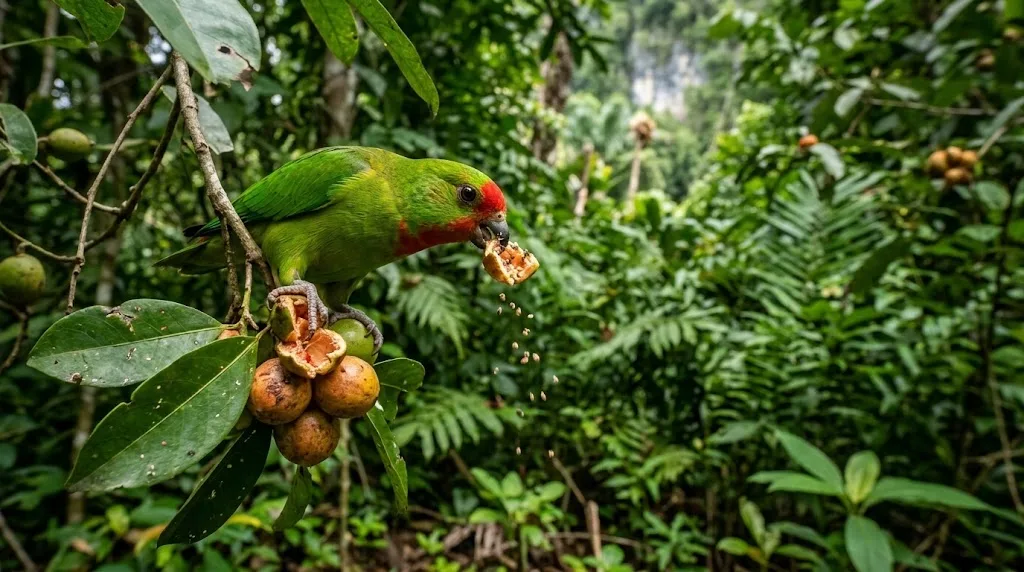
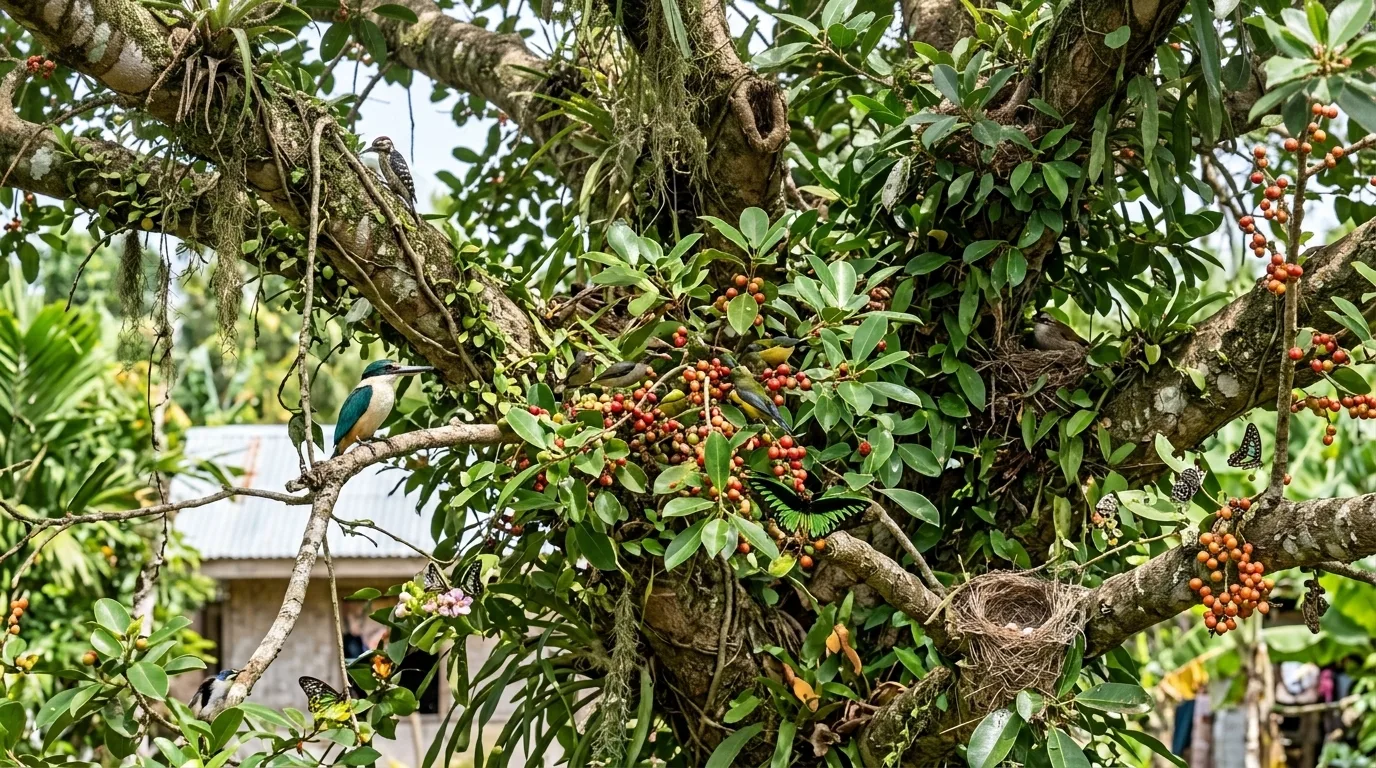
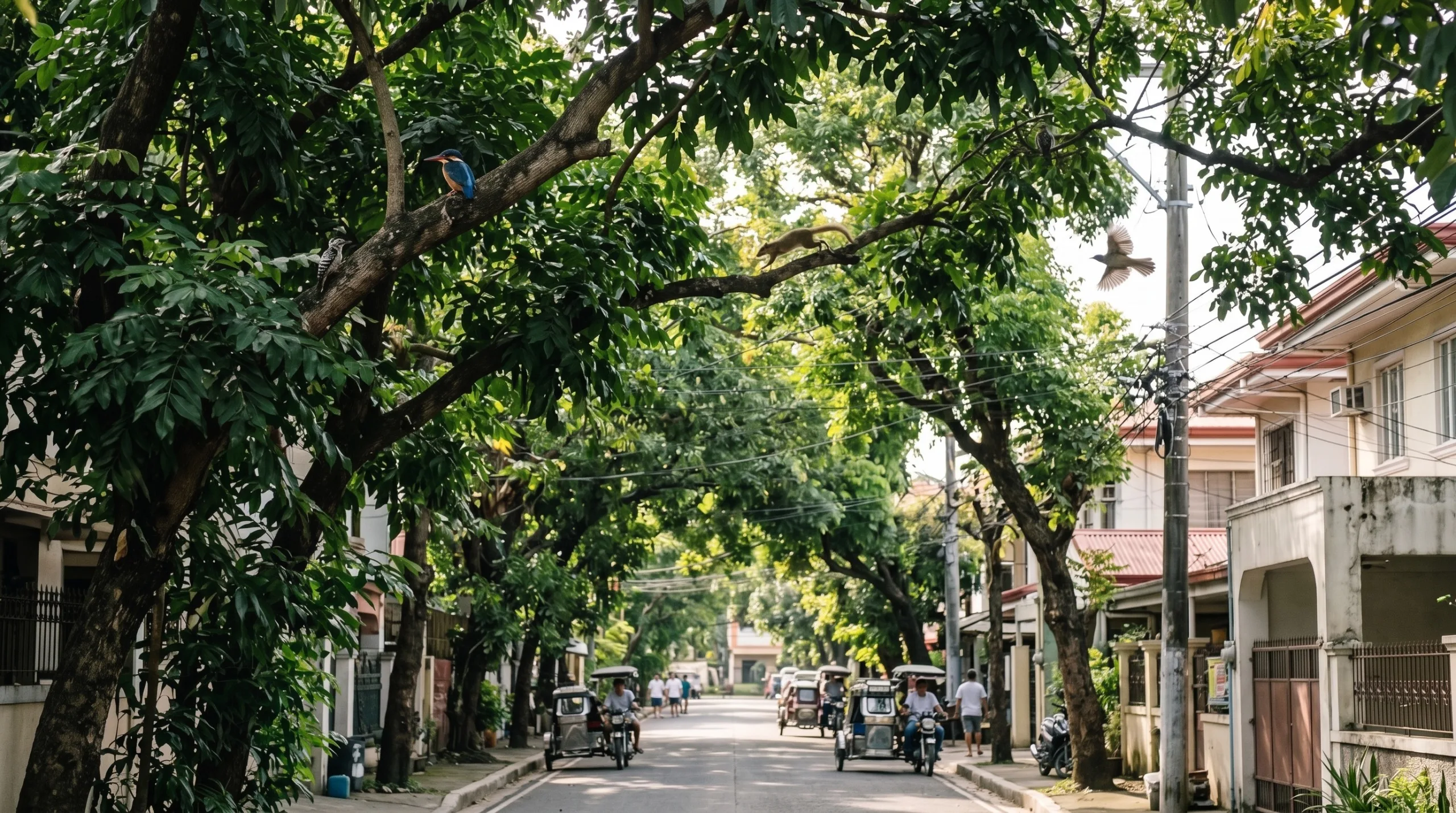
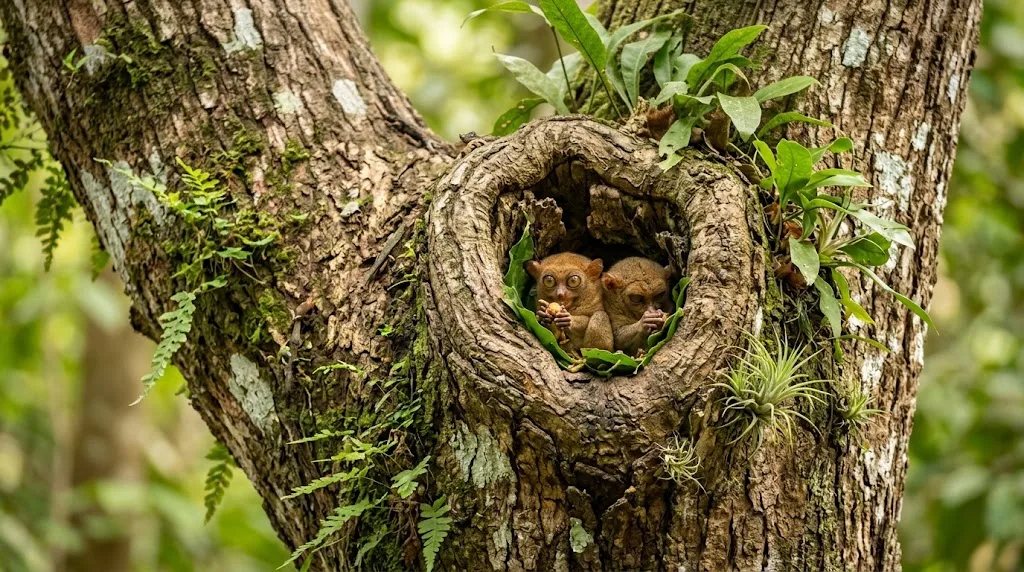
BOHOL - Mature trees offer features that younger trees may not yet have, including large branches, thick trunks, natural cavities, and extensive canopies. These features can provide nesting areas for birds, resting places for bats, and shelter for insects and other small animals. Some trees also produce fruits, flowers, and seeds that serve as food sources throughout different seasons. Because these habitat features develop over many years, older trees can support wildlife in ways that newly planted vegetation cannot immediately replace.
Wildlife Adapts as Neighborhoods Expand
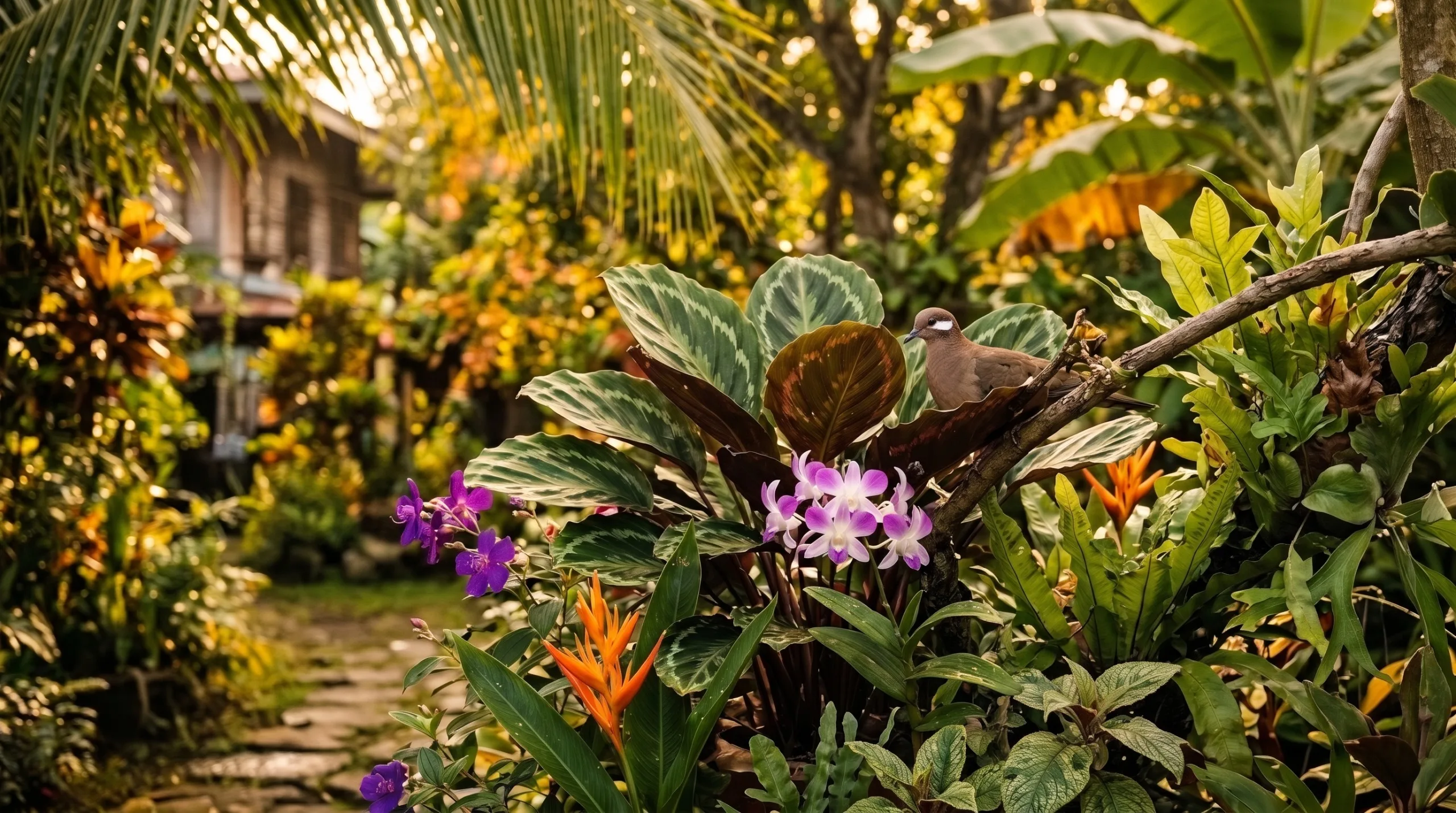
As residential areas, roads, and other developments spread, wildlife may lose parts of its original habitat. However, mature trees left within neighborhoods, gardens, and roadside spaces can serve as small refuges for animals that remain in the area. Birds may use their branches for nesting, while insects and other organisms depend on their bark, leaves, and surrounding soil. These trees can also help connect scattered green spaces, giving some species opportunities to move between remaining habitats.
Protecting Mature Trees Means Protecting Wildlife
Preserving older trees requires thoughtful decisions from property owners, developers, and local communities. Before removing a mature tree, residents can consider whether it provides nesting sites, shade, food, or shelter for wildlife. Protecting its roots, avoiding unnecessary cutting, and planting native tree species nearby can help maintain habitat quality over time. In Bohol, where natural landscapes and growing communities exist side by side, keeping mature trees can contribute to healthier neighborhoods while protecting the wildlife that depends on them.