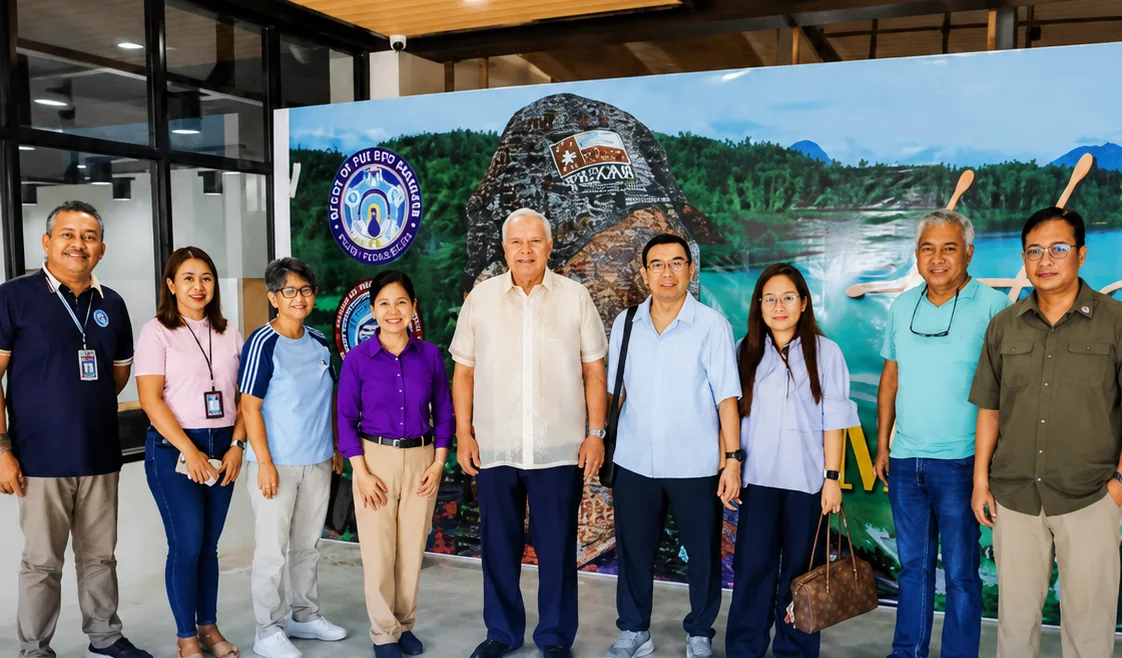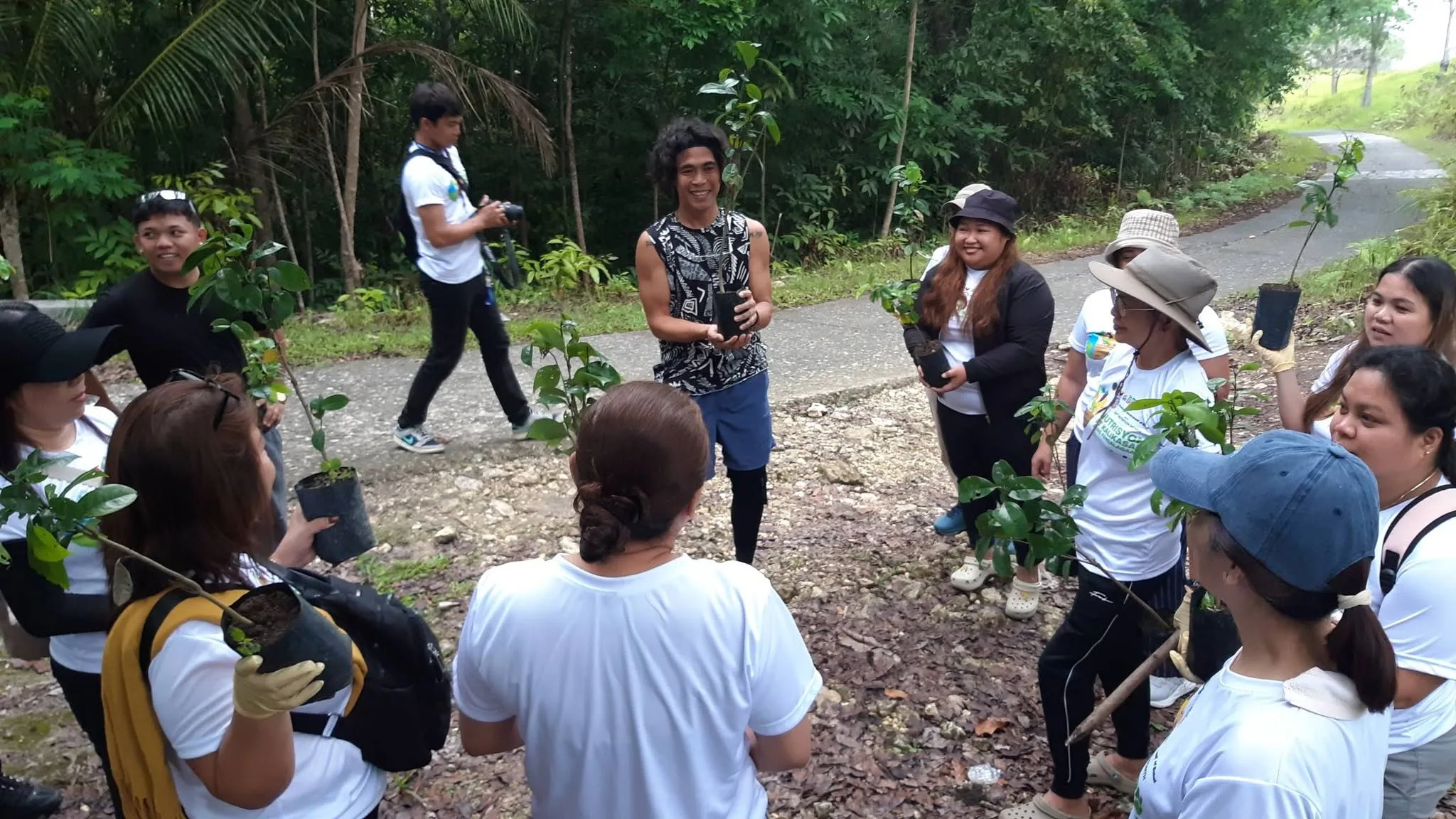
BOHOL — The Provincial Government of Bohol led a major tree-growing activity in Barangay Baguhan on July 21, 2026, uniting health, agriculture, and education offices to celebrate the 52nd Nutrition Month. The event planted the seeds for a healthier environment and a richer eco‑tourism experience in this quiet corner of the island.
A Shared Mission for a Greener Future
The initiative gathered the Provincial Health Office, the Provincial Nutrition Council, the Office of the Provincial Agriculturist, and the Department of Education, among others. They were joined by the Bohol Provincial Employees Multi‑Purpose Cooperative, the Philippine Coconut Authority, and the Bureau of Plant Industry. Together, they dug into the soil of Barangay Baguhan, planting native trees and high‑yielding Katigan coconut seedlings.
The activity carried the national theme “Nutrisyon at Kalikasan, Ating Pangalagaan!”, emphasizing the direct link between a healthy environment and community well‑being. Organizers stressed that the event was not a one‑time tree‑planting but the start of a long‑term tree‑growing commitment. The local government and community members will ensure the saplings thrive.
From Tree-Growing to Agri-Tourism
Barangay Baguhan is emerging as a vital agricultural hub, housing a 50‑hectare scion grove, plant nursery, and provincial coconut seed garden. This expanding green space provides grafted fruit seedlings and quality coconut seed nuts to farmers while creating a scenic landscape for visitors. The site is steadily becoming a destination for those interested in sustainable farming and nature.
The development paves the way for agri‑tourism experiences such as educational farm tours, fruit‑picking activities, and farm‑to‑table culinary events. Tourists can explore the nursery, learn about organic practices, and taste freshly harvested produce. This fusion of agriculture and tourism offers a fresh reason to venture beyond Bohol’s famous beaches.
Exploring Dimiao’s Natural and Cultural Treasures
For travelers seeking authentic experiences, Dimiao offers a compelling mix of natural beauty and heritage. The Pahangog Twin Falls cascades into a clear emerald pool surrounded by lush native foliage, providing a refreshing stop after a countryside drive. The town’s fruit orchards and quiet backroads are perfect for cycling tours that reveal rural Bohol at its own pace.
History enthusiasts will appreciate the San Nicolás de Tolentino Parish Church, a National Cultural Treasure built from cut coral stone in the early 19th century. Its weathered facade and serene interior tell the story of Bohol’s colonial past. Combined with the new agri‑tourism initiatives, Dimiao offers a well‑rounded itinerary for eco‑conscious travelers.
Nutrition Rooted in a Healthy Environment
The tree‑growing activity reflects Bohol’s broader strategy of linking nutrition security with environmental stewardship. Healthy soil yields nutritious food, and a stable climate supports consistent harvests. By investing in both tree cover and agricultural infrastructure, the province ensures that its communities and visitors can enjoy fresh, local produce for generations.
The event also demonstrated the power of multi‑sectoral collaboration. From health workers to teachers to agricultural technicians, the diverse group of volunteers modeled the unity needed to tackle complex challenges like food security and climate change. Their shared effort made the day not just productive but deeply symbolic of the community’s resilience.
An Invitation to Discover Dimiao
As the saplings take root in Baguhan, Dimiao extends an open invitation to tourists looking for meaningful travel experiences. The town’s evolving agri‑tourism landscape, combined with its natural attractions and historical sites, makes it a promising destination for those who appreciate the quieter, greener side of Bohol. Every tree planted is also a welcome mat for future visitors.