The Ground Used to Be Underwater
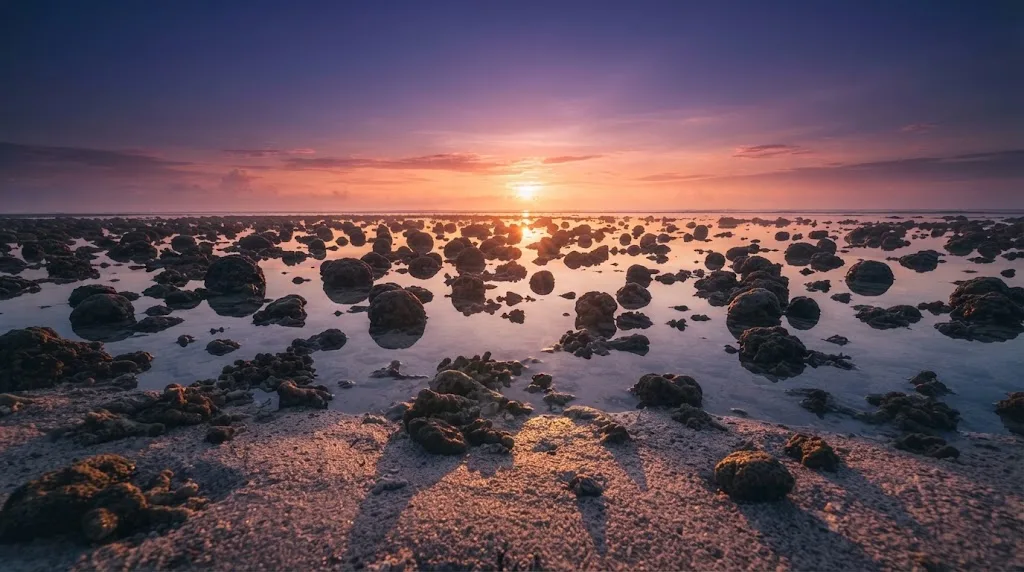
BOHOL - The Loon Uplifted Marine Terrace covers approximately 417 hectares and was raised around 1.5 meters during the October 2013 earthquake. The coastline also moved about 50 meters seaward, exposing an area that had previously been affected by the tides. Instead of remaining a barren scar, the landscape gradually developed vegetation across the newly exposed surface. This makes the Coral Garden a fascinating place for visitors who want to see a physical example of geological change rather than simply hear about it.
Look Closely at the Colors
The provincial tourism office explains that the exposed terrain became covered with sea purslane, a creeping succulent plant that can create different colors depending on the season and weather. During sunny conditions, portions of the area may appear red and orange, while rainy periods can produce a greener appearance. The changing vegetation adds another visual feature to a site whose main story is already unusual. It also demonstrates how plants can gradually occupy a landscape that was once part of the sea.
A Geopark Stop With an Unusual Story
The Coral Garden is included among Bohol’s recognized geological sites and sits within the province’s wider UNESCO Global Geopark framework. Rather than competing with Bohol’s beaches, it offers a completely different type of coastal experience centered on geology and environmental change. Visitors interested in photography, educational travel, or unusual landscapes may find the site particularly rewarding. It is another example of why exploring Bohol beyond the most famous attractions can reveal stories that are difficult to find elsewhere.