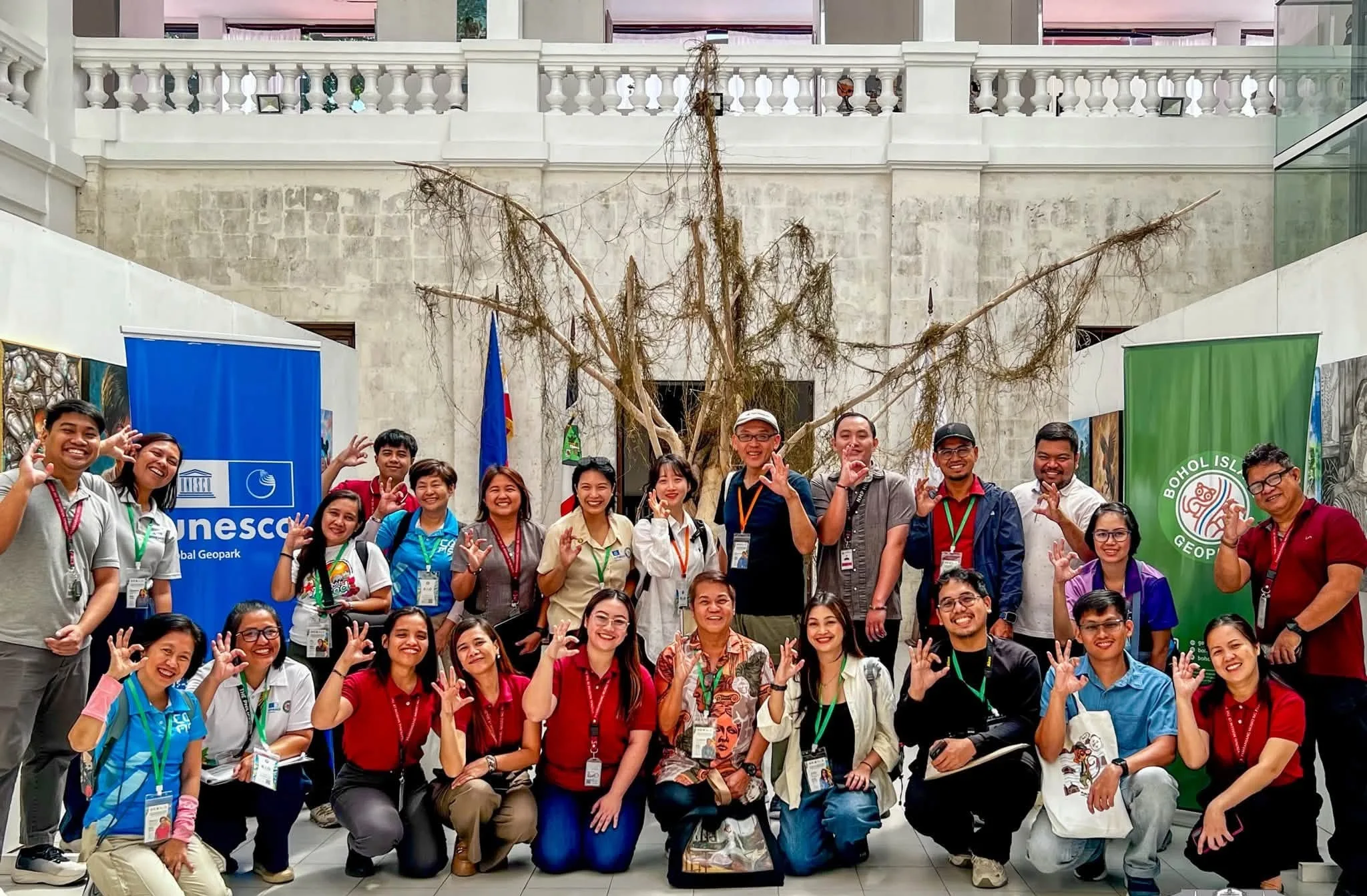
TAGBILARAN CITY, Bohol — Two international evaluators from UNESCO stepped into the National Museum of the Philippines–Bohol on August 4, 2026, as part of the island’s first revalidation of its prestigious Global Geopark title. Their visit to the museum underscored how deeply Bohol’s cultural heritage is woven into its geological story, and how that story is shared with the world.
A Museum That Tells the Island’s Story
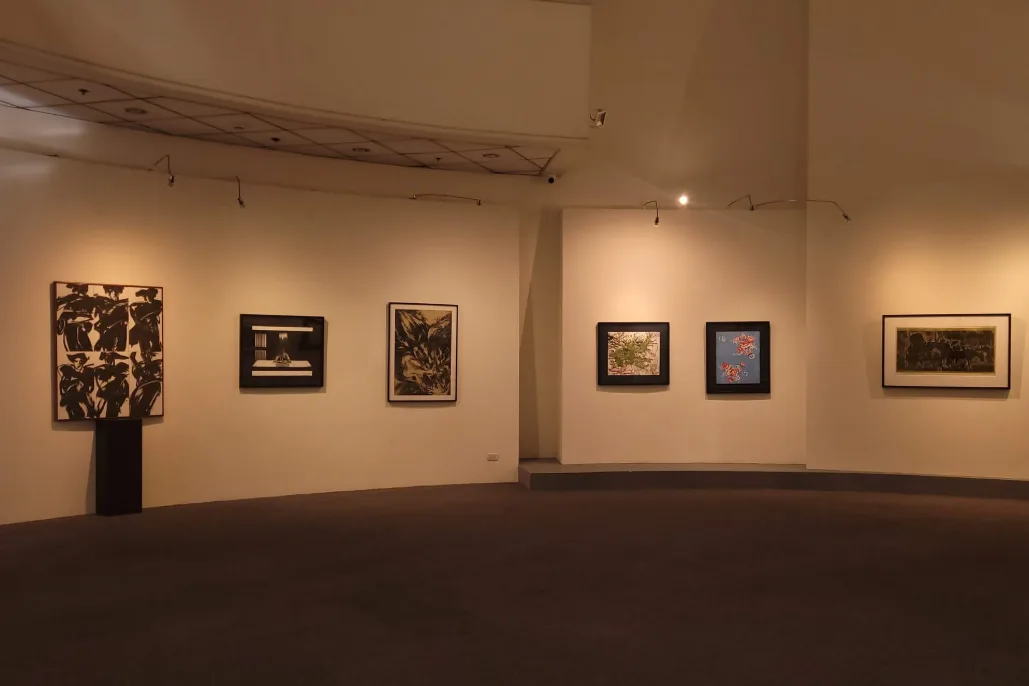
The National Museum Bohol, housed in the beautifully restored Old Capitol Building, serves as a primary educational hub for the geopark. Evaluators Sungok Ju from South Korea and Nire Kagaya from Japan toured galleries that connect 150 million years of geological evolution with the island’s living traditions. The museum’s exhibits on natural history, indigenous cultures, and archaeological treasures offer visitors a complete picture of what makes Bohol unique.
The museum team highlighted how community‑led conservation efforts are embedded in their programs. Interactive displays and guided tours educate both locals and tourists about the delicate balance between development and preservation. The evaluators were briefed on how the museum supports the geopark’s sustainable development goals by promoting responsible tourism and environmental awareness.
A Four‑Year Test for Bohol’s Global Status
Bohol made history in May 2023 as the Philippines’ first and only UNESCO Global Geopark, a designation covering over 8,800 square kilometers of land and marine areas. From the iconic Chocolate Hills to the rare Danajon Double Barrier Reef, the island earned its title through a unique blend of geological wonders and vibrant community life. However, UNESCO does not grant this status permanently.
Every four years, a geopark must undergo rigorous revalidation to prove it still meets strict global standards. The mission, which runs from August 3 to 8, 2026, scrutinizes everything from geoconservation and environmental management to tourism practices and community involvement. Evaluators inspect key sites, interview local stakeholders, and assess whether the geopark’s benefits reach ordinary Boholanos. Their final report will determine if Bohol keeps its status, receives a warning, or faces delisting.
Tourism and Livelihoods Hang in the Balance
The stakes for Bohol’s tourism industry are immense. The UNESCO label has drawn eco‑conscious travelers, boosted local businesses, and created new livelihood opportunities linked to sustainable tourism. Communities have built enterprises around guided cave tours, farm‑to‑table dining, and artisanal crafts that did not exist before the designation.
Provincial officials, led by Governor Aris Aumentado, have spent months preparing for the evaluators’ arrival. The Bohol Island Geopark Management Office conducted pre‑validation site visits, aligned municipal tourism plans with geopark goals, and strengthened environmental regulations. New ordinances protect marine wildlife, ensuring that whale shark and dolphin watching remain ethical and sustainable.
A Window into Bohol’s Heart for Every Visitor
For tourists, the National Museum Bohol is an essential first stop. It provides the context needed to appreciate every limestone hill, every cave, and every vibrant coastal ecosystem. As the evaluators continued their mission, museum staff expressed hope that their work would be recognized as a vital link between Bohol’s ancient rocks and its modern communities.
The revalidation mission’s outcome will be announced in the coming months. Regardless of the result, the process itself has energized a province‑wide conversation about heritage, responsibility, and the kind of tourism Bohol wants to offer the world.