Water Already Has a Path
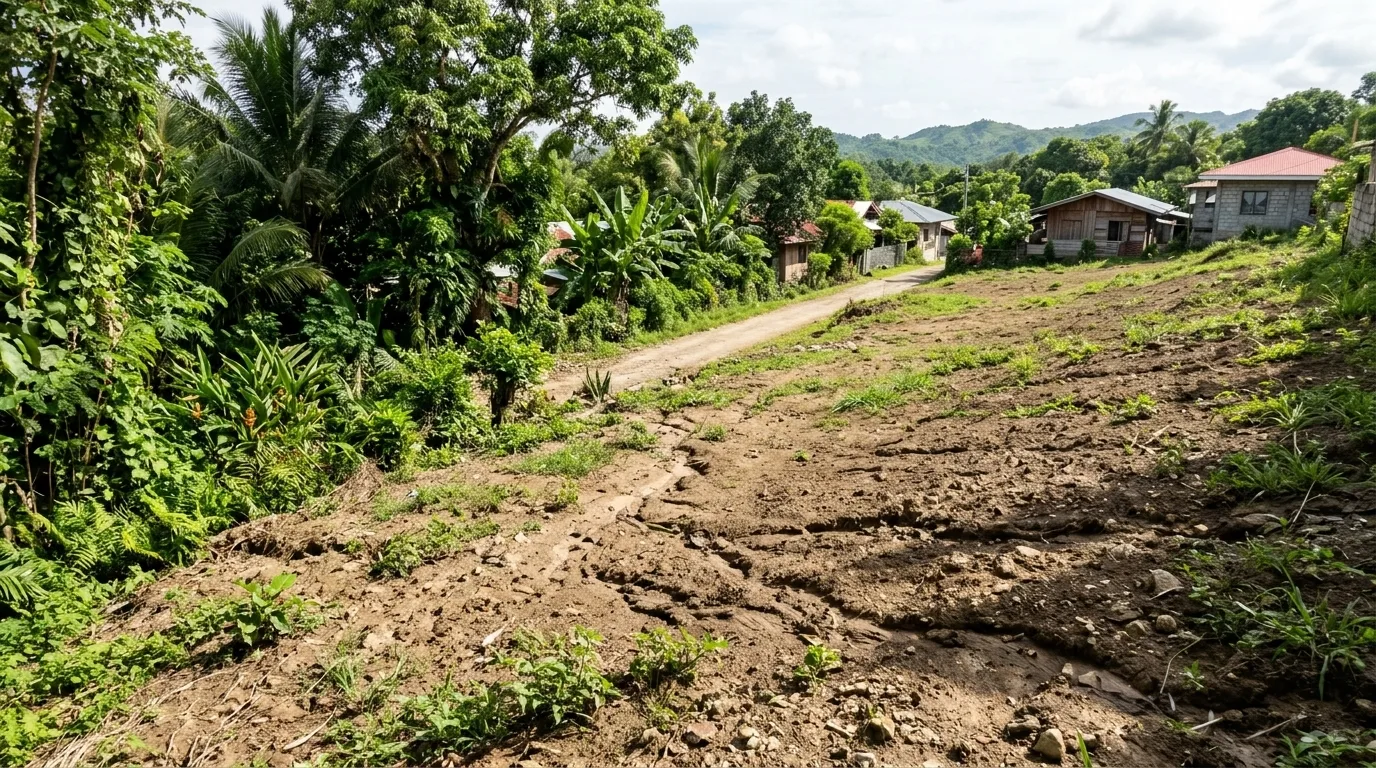
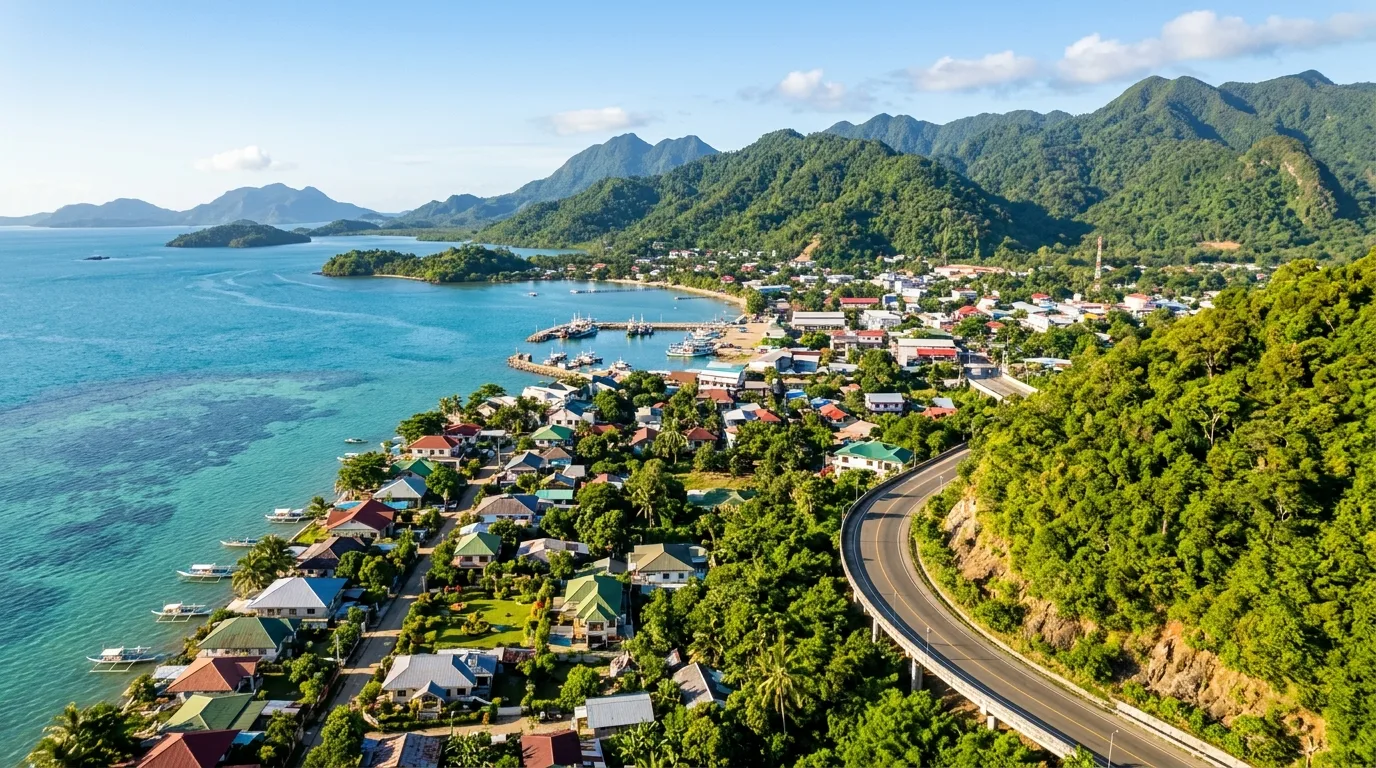
BOHOL - Rainwater does not move randomly across the landscape. It follows the contours of the land, flowing downhill and collecting in natural depressions and waterways. Vegetation and soil can also absorb and slow some of the water before it continues downstream. Before construction begins, understanding these existing patterns can help identify where water naturally wants to go and where it may accumulate during heavy rainfall.
Construction Changes the Landscape
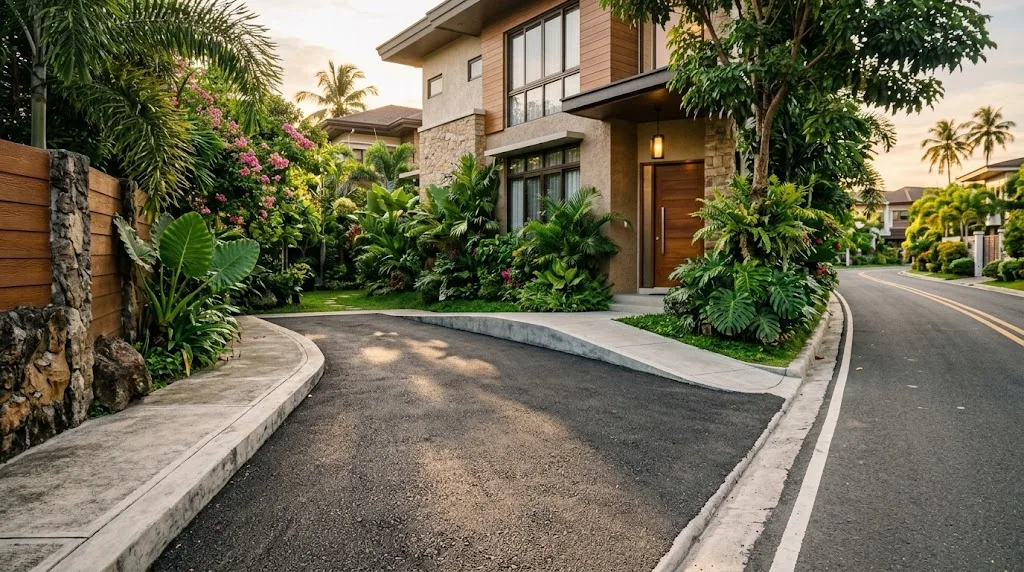
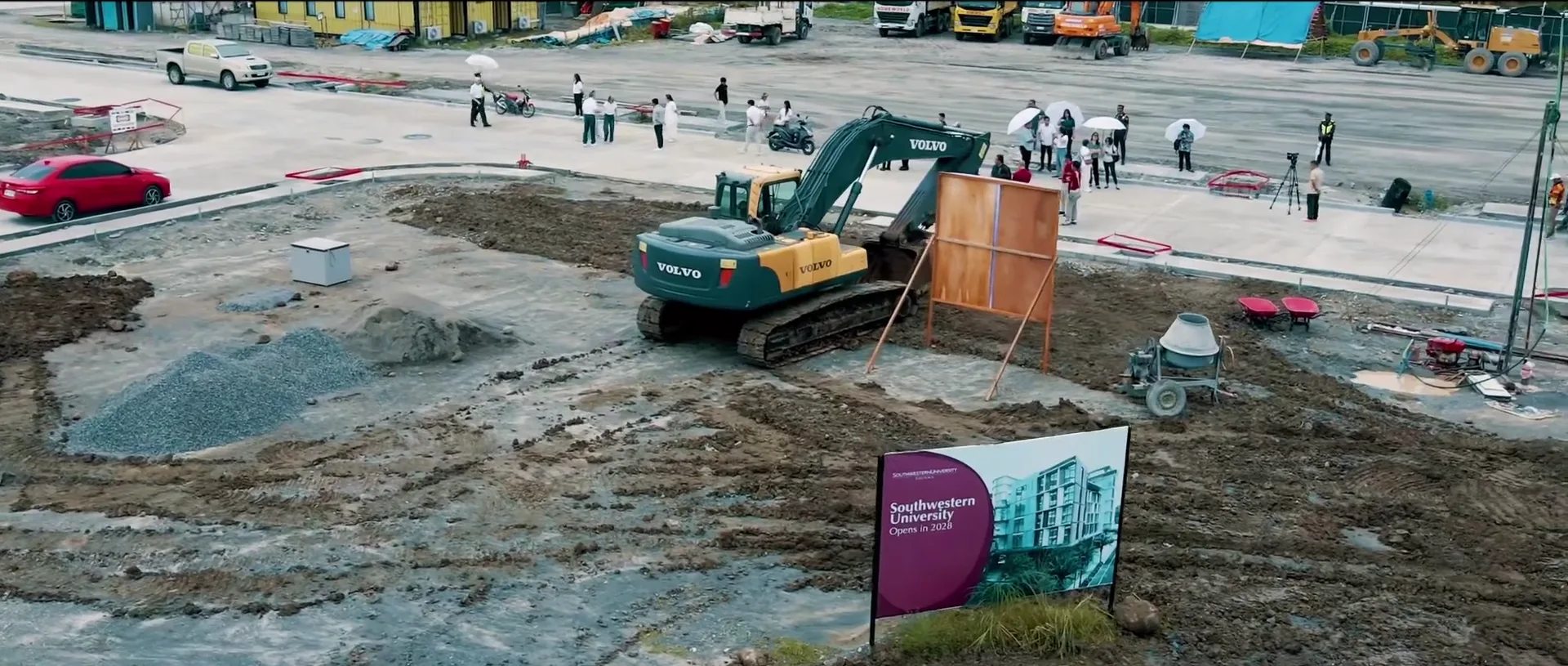
Buildings, concrete surfaces, driveways, roads, and other structures can replace soil and vegetation that previously absorbed rainfall. These surfaces may increase the amount of water running across the ground and change how quickly it reaches drainage channels. If development blocks or redirects an existing flow path without adequate planning, water may collect in unexpected areas. Properly designed drainage systems can help guide runoff while reducing potential impacts on properties and surrounding areas.
Building With Water in Mind
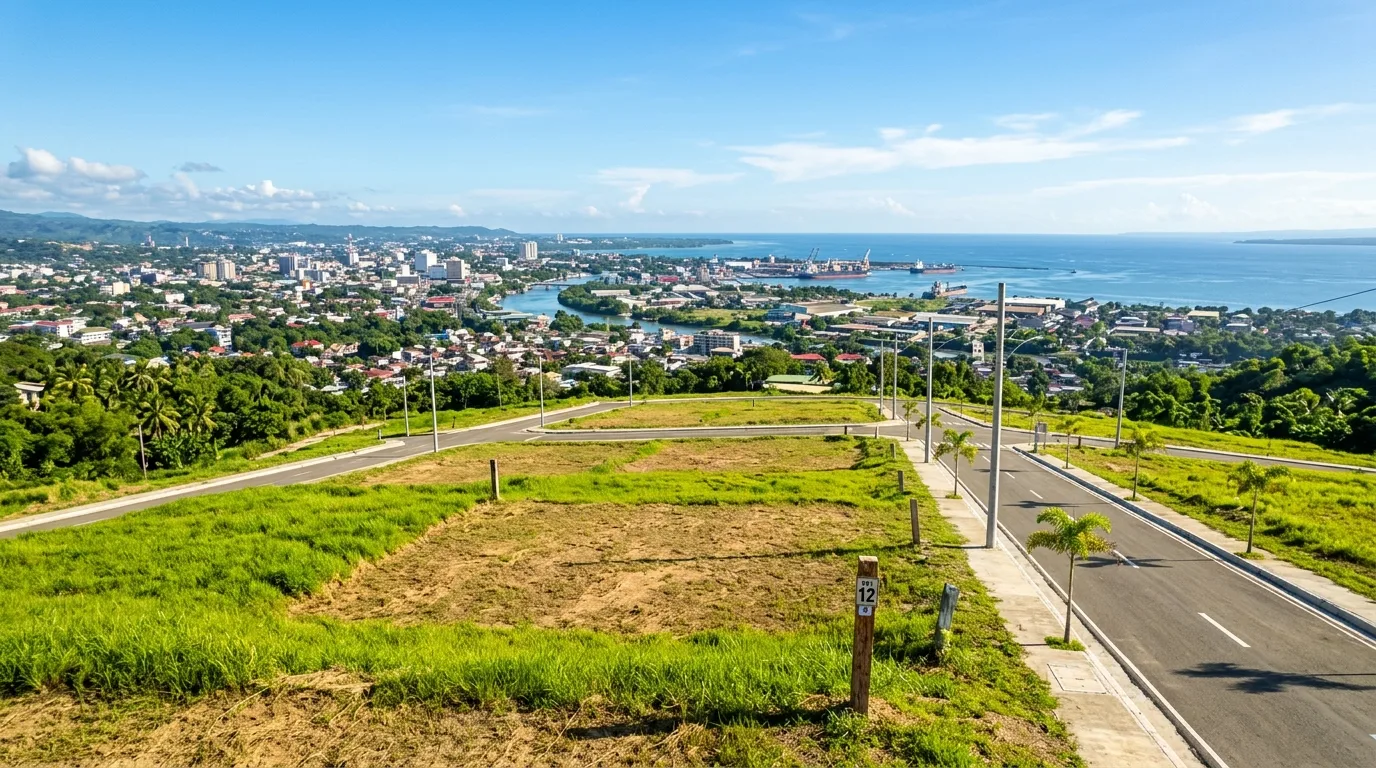
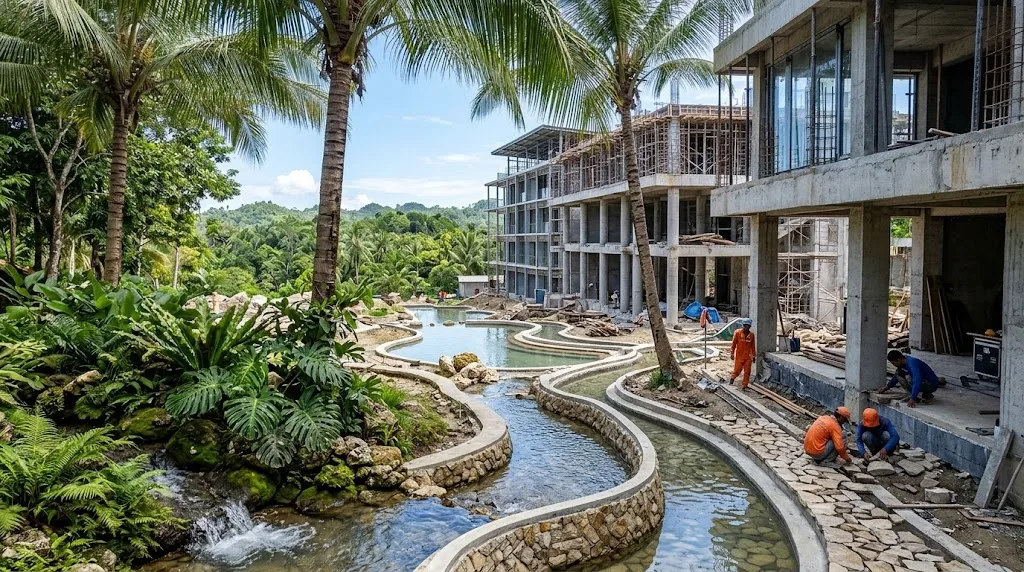
Good development does not have to fight against the natural movement of water. Site planning can incorporate features such as appropriate drainage channels, permeable surfaces, retention areas, vegetation, and carefully designed slopes where suitable. The goal is to allow new construction and natural water systems to work together rather than forcing one to compete with the other. For anyone considering a property or development project in Bohol, paying attention to drainage before construction can be an important part of creating a safer and more resilient place to live or invest.