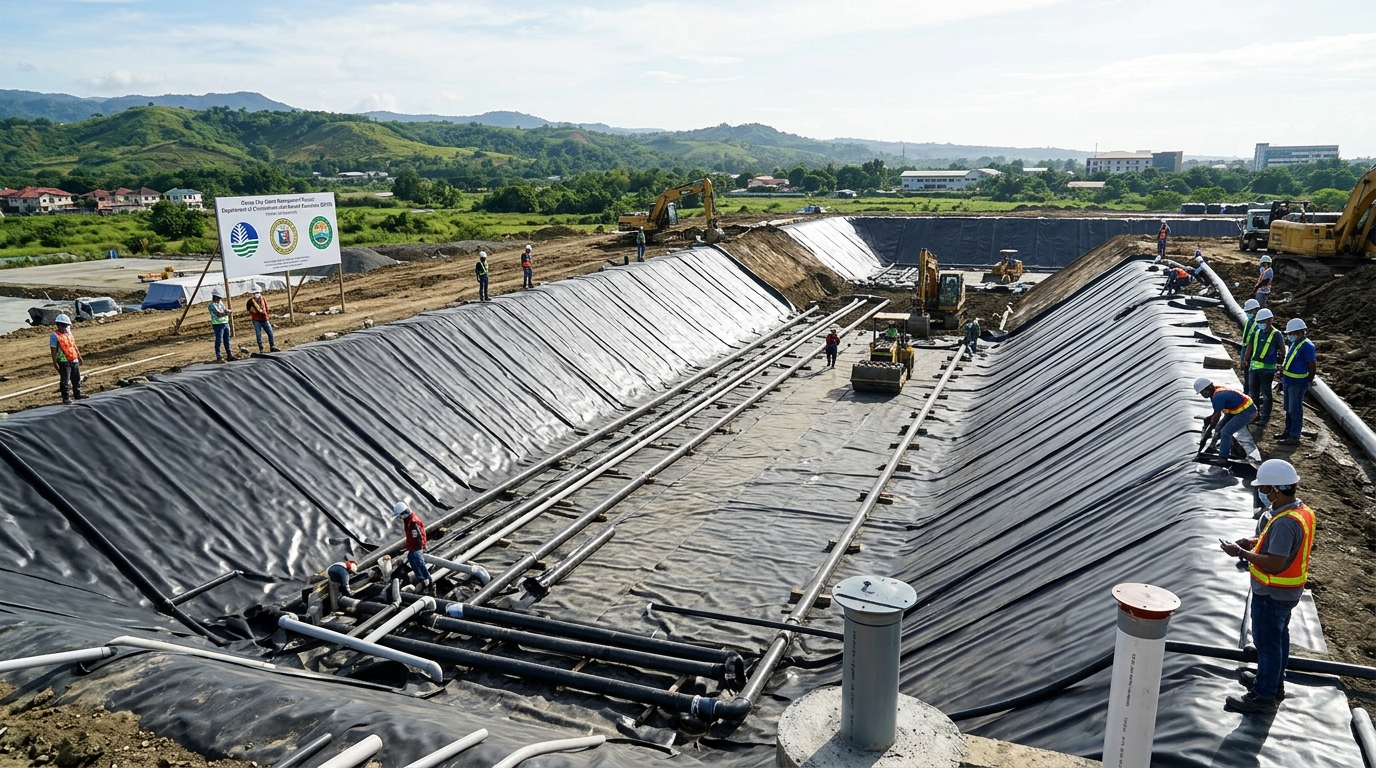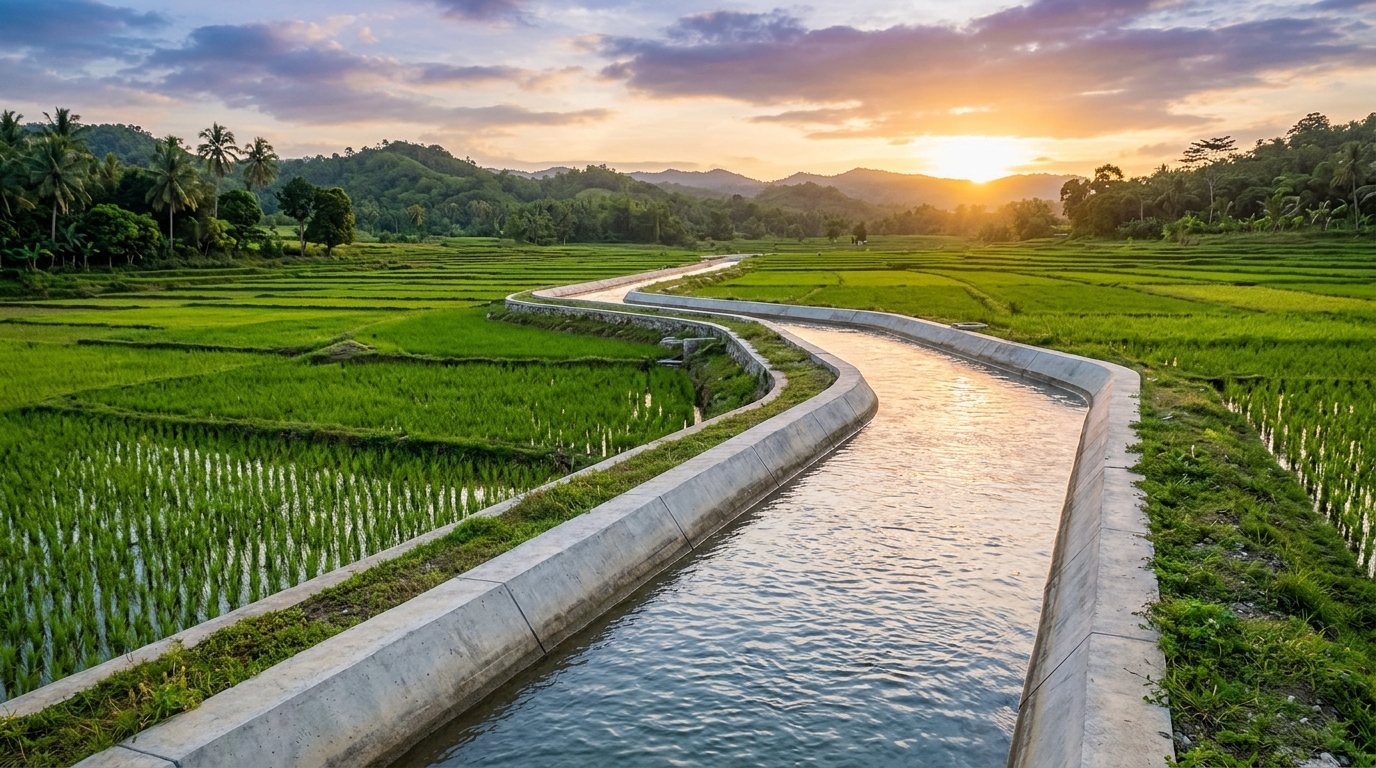
Bohol — In a significant advancement for the island's agricultural infrastructure, the Mabini-Cayacay Small Reservoir Irrigation Project (SRIP) is now fully operational and serving the farming communities of Bohol. Recently inaugurated by President Ferdinand R. Marcos Jr. on June 22, 2026, the ₱833.37-million facility provides a consistent, year-round water supply to over 530 hectares of land. This project is a lifeline for 717 local farmers who previously relied on irregular rainfall to sustain their rice and high-value crops. With this system now in place, the province is seeing a boost in agricultural productivity, allowing farmers to increase their cropping cycles and ensure a more stable income for their families.
A Lifeline for the Agricultural Sector
The significance of this reservoir cannot be overstated, as it directly transforms the daily lives of farmers in the municipalities of Mabini and Alicia. By ensuring water flows even during dry months, the project enables farmers to shift from two cropping cycles a year to as many as three. This increase in productivity is essential for strengthening the province’s food security and boosting the economic resilience of agricultural households. For the farmers of Barangay Abaca and surrounding areas, this infrastructure is a tangible commitment to their success and a tool for their future growth.
Fulfilling Commitments to the Provinces
The completion of the SRIP is a milestone in the broader national effort to modernize agricultural infrastructure across the country. By focusing on projects that provide direct, localized impacts—such as the 32.2-meter-high dam and the 11.31-kilometer canal network—the government is demonstrating its dedication to the needs of rural communities. The inauguration ceremony served as a reminder of the power of collaborative effort, bringing together national agencies and local farmers to celebrate a common achievement. It is a project that embodies the promise of long-term development for the next generation of Boholano farmers.
Building a Foundation for Prosperity
As the irrigation waters begin to reach more farms, the benefits are expected to ripple out into the wider Boholano economy. Increased production means more opportunities for local trade, better availability of fresh produce in provincial markets, and a more robust rural economy. Farmers, such as Rito Muring of the Irrigators Association, have expressed their gratitude, promising to care for the infrastructure so it can be passed on as a valuable legacy. It is a clear success story of how targeted investment in core infrastructure can spark lasting positive change and foster a more prosperous environment for the province.