Boatbuilding Reflects Bohol’s Relationship With the Sea
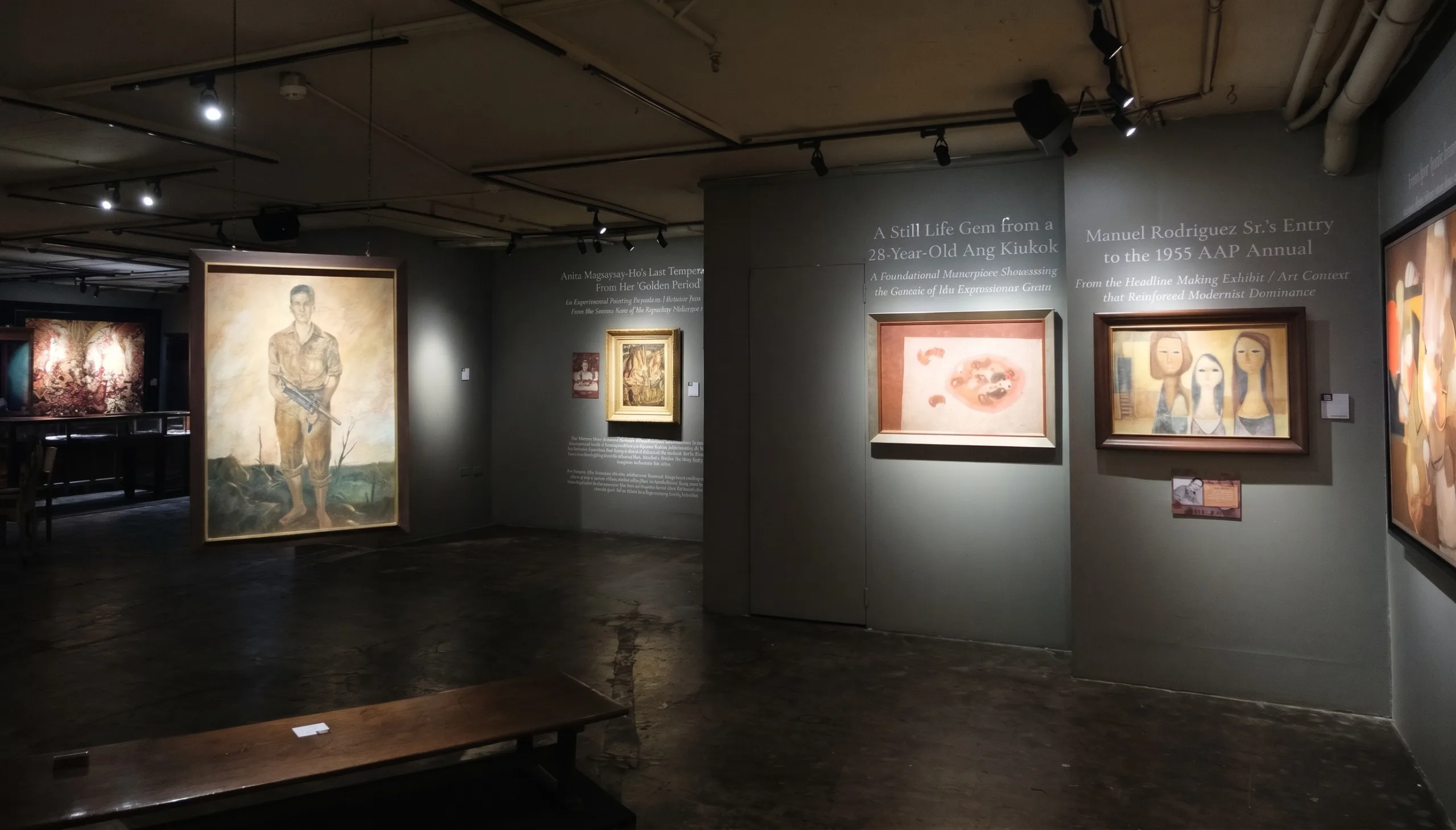
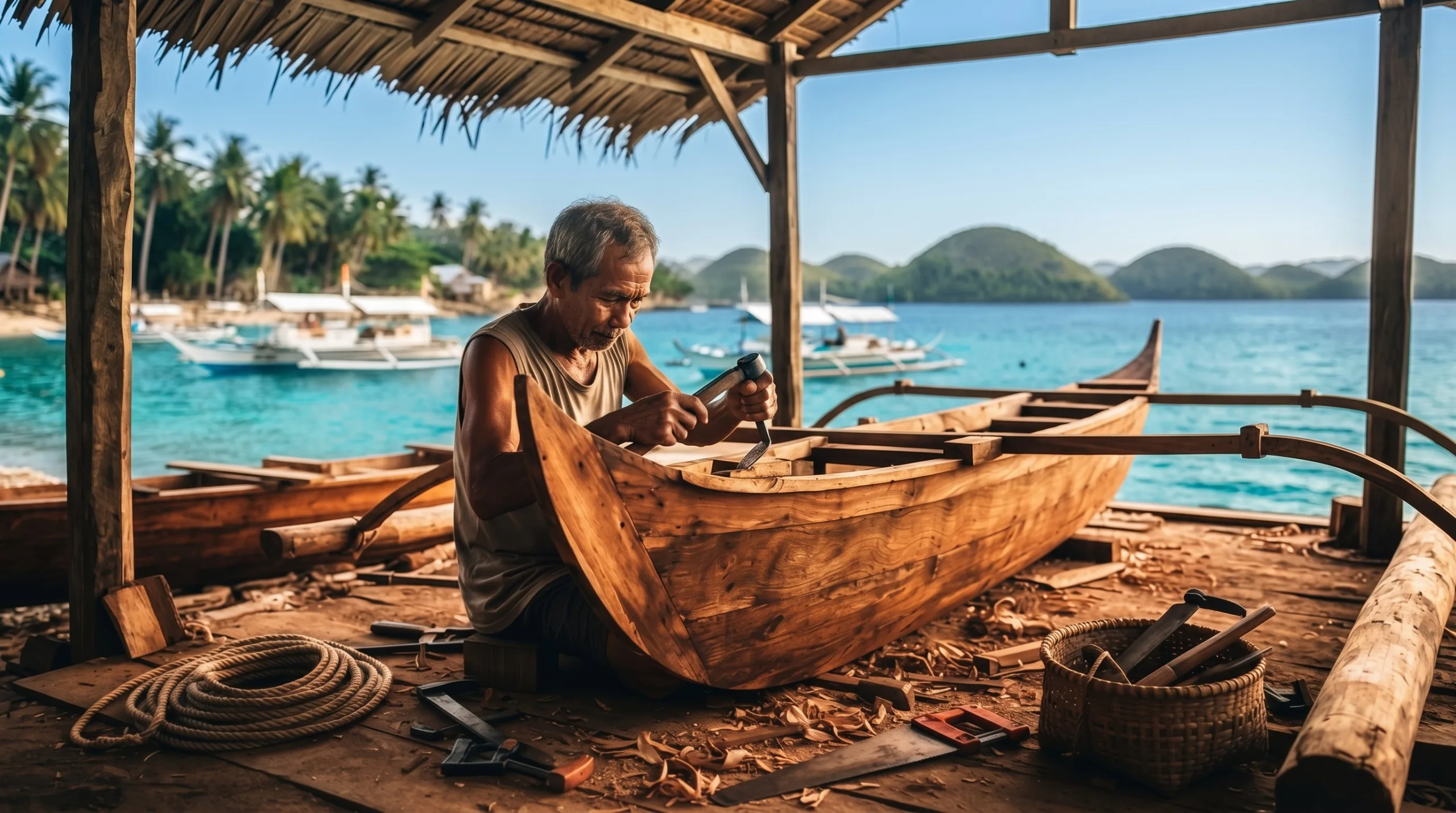
BOHOL - Bohol’s coastal communities have long depended on the sea for fishing, transportation, trade, and connections between islands. Traditional boatbuilding developed alongside these activities, with craftspeople applying practical knowledge of wood selection, hull construction, balance, and boat maintenance to create vessels suited to local waters. The National Museum of the Philippines–Bohol Area Museum highlights this tradition through its PAGLAWIG: The Boholano Way of Life exhibition, which presents boatbuilding alongside other traditional crafts practiced by Boholano communities. These skills represent more than the construction of a working vessel; they reflect generations of experience adapting to coastal environments and making use of available materials. Preserving knowledge of traditional boatbuilding helps document how maritime activities shaped the province’s livelihoods and cultural identity.
Craftsmanship Connects Generations of Coastal Workers
Building and maintaining a wooden boat requires patience, practical judgment, and familiarity with materials and tools. Experienced boatbuilders can pass on knowledge through demonstrations and hands-on work, teaching younger generations how to shape components, assemble structures, inspect damage, and maintain seaworthy vessels. These skills can also support local livelihoods by providing services to fishing families and other boat owners. Although modern materials and powered equipment have changed parts of the fishing industry, traditional construction knowledge remains valuable for understanding the development of local maritime practices. In coastal communities such as Loon, where fishing remains an important livelihood, boat fabrication and access to suitable vessels are closely connected to the ability of families to work at sea. Supporting local craftsmanship can therefore help retain practical knowledge while contributing to the continuity of coastal occupations.
Preserving Maritime Heritage for the Future
Safeguarding traditional boatbuilding involves documenting techniques, recognizing skilled craftspeople, and creating opportunities for younger people to learn from experienced builders. Museums, cultural organizations, schools, and community heritage programs can help record the terminology, tools, materials, and stories associated with the craft. Responsible cultural tourism may also introduce visitors to traditional maritime practices, provided that demonstrations and heritage activities respect the knowledge and livelihoods of local communities. Bohol’s Heritage and Creativity Summit in May 2026 highlighted the importance of protecting cultural identity while supporting creative growth and community participation. Similar efforts to recognize maritime craftsmanship can help ensure that boatbuilding is remembered not simply as an old trade but as part of the province’s continuing relationship with the sea. By preserving these skills and the stories behind them, Bohol can keep an important part of its coastal heritage visible to future generations.