The Meal That Starts the Conversation
BACOLOD - There is something different about eating at a restaurant that has become part of a family's routine. The experience does not necessarily begin with an elaborate menu or an Instagram-ready interior. It begins with recognition: a waiter who remembers a returning customer, a dish that has been ordered for years, or a table where someone once celebrated a birthday, graduation, anniversary, or simple Sunday lunch. This is where Bacolod's food culture becomes particularly interesting. The city's dining scene has grown considerably, but its relationship with food remains deeply personal. Restaurants are often connected to memories, and certain dishes become associated with particular occasions. A meal is not simply something consumed between sightseeing stops; it can become part of the reason people return. For visitors, this offers an opportunity to look beyond the usual checklist of famous dishes. A traveler who spends time exploring Bacolod's restaurants can encounter a wider range of flavors associated with Negros Occidental, from hearty soups and noodle dishes to seafood, native desserts, pastries, and home-style specialties. Each meal becomes another piece of the larger culinary picture.
Where Recipes Carry a Family History
Family-owned restaurants occupy an interesting place in a city's food ecosystem. They sit between the private world of home cooking and the public world of commercial dining. The kitchen may operate as a business, but the food often retains something personal—a recipe influenced by a grandmother, a preparation method learned from parents, or a dish that became popular after years of serving it to friends and neighbors. That connection matters because food traditions do not always survive through cookbooks. Sometimes they survive because people keep ordering the same dish. A restaurant may change its furniture, update its menu, or renovate its dining area, but a beloved recipe can remain remarkably consistent. Customers who grew up eating a particular dish may return years later and expect it to taste familiar. That expectation creates a powerful relationship between the restaurant and its community. In Bacolod, this relationship is especially significant because food is closely tied to hospitality. Negrense cuisine has long been associated with generous portions, leisurely meals, and the idea that eating is an occasion best shared with others. The table becomes a place where stories are exchanged and relationships are strengthened.
Beyond the Famous Plate
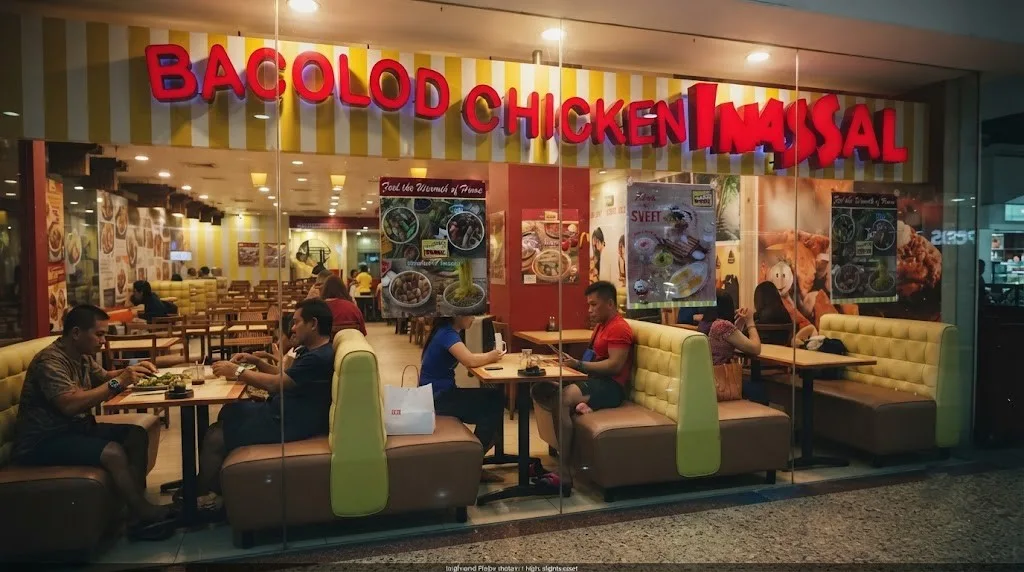
Chicken inasal deserves its reputation. It is one of the dishes most closely associated with Bacolod and remains an important part of the city's culinary identity. But treating it as the beginning and end of Bacolod's food story would be like visiting a library and reading only the first page of one book. The wider Negrense table offers considerable variety. There are dishes shaped by the province's agricultural history, seafood traditions, Spanish influences, Chinese-Filipino culinary connections, and generations of home cooking. There are comforting bowls of soup, savory meat dishes, noodle specialties, pastries, sweets, and desserts that reveal different chapters of the region's history. Then there are the restaurants themselves. Some have become institutions because of their longevity. Others have survived because customers continue to recommend them to friends. Newer establishments introduce modern interpretations of familiar flavors, creating a conversation between tradition and experimentation. This combination gives Bacolod a dining scene that is more interesting than a simple list of "must-try foods." The real attraction is the relationship between old and new. A visitor can enjoy a traditional Negrense meal at lunch, discover a contemporary café in the afternoon, and finish the evening at a restaurant that puts a modern spin on local ingredients. The city does not require diners to choose between heritage and innovation. Both can exist on the same culinary map.