PHILIPPINES — The Tourism Infrastructure and Enterprise Zone Authority has registered P14.5 billion in investments across 34 projects from 2021 to August 2026 under the Corporate Recovery and Tax Incentives for Enterprises law. These projects have generated 2,826 new jobs in the tourism sector.
A Surge in Post-Pandemic Tourism Investments
The latest TIEZA data dated September 15, 2026, shows that projects registered in 2025 and through August 2026 accounted for P10.37 billion, or 71.5 percent of total committed investments since 2021. This concentration highlights accelerating investor confidence as the tourism industry recovers from the pandemic.
In 2025 alone, 16 projects were registered with P5.74 billion in committed investments and 1,039 committed jobs. From January to August 2026, seven additional projects were approved, representing P4.63 billion in investments and 522 jobs. By August 2026, committed investments had reached 80.6 percent of the full-year 2025 level.
The 2025 figures alone represent a substantial increase from previous years, showing that CREATE has become a key tool for attracting tourism capital. Investors are responding to the law’s longer tax incentives and streamlined registration process, which reduce the cost of doing business in the Philippines.
Pipeline Shows Continued Momentum
At the 2026 Philippine Accommodation Pipeline Report launch, TIEZA Assistant Chief Operating Officer Karen Mae Sarinas-Baydo disclosed that P2.56 billion in additional proposed investments are currently in the application pipeline. Five applications with P1.07 billion in investments and 256 jobs have target opening dates within 2026.
The remaining three applications represent approximately P1.49 billion in proposed investments and 313 jobs. These pending projects indicate that the momentum is likely to continue into 2027 and beyond. TIEZA expects more applications as awareness of CREATE incentives spreads among developers.
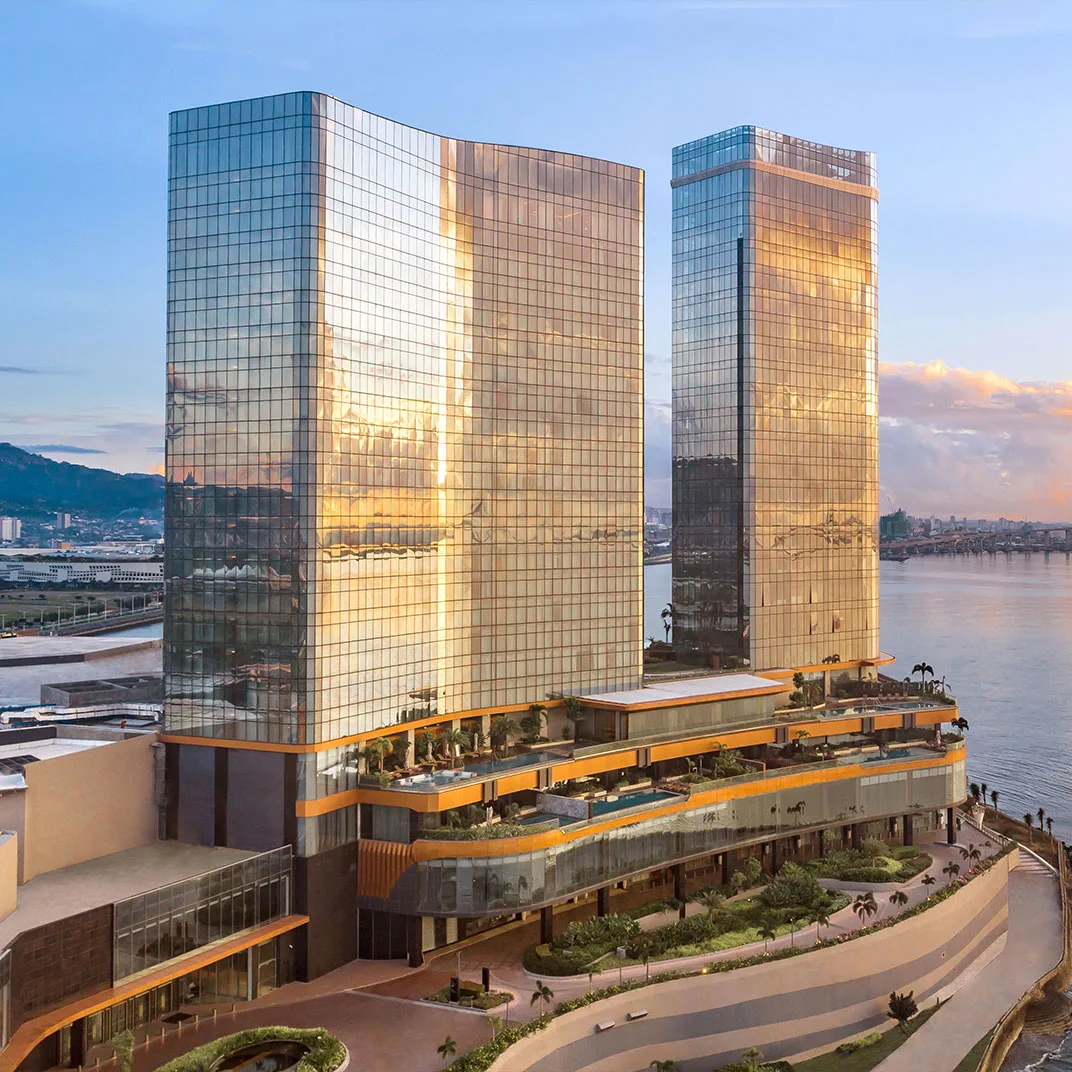
Sarinas-Baydo noted that the pipeline includes a mix of accommodation, leisure, and mixed-use projects. These developments are spread across various regions, from Metro Manila to emerging destinations in the Visayas and Mindanao, reflecting the nationwide reach of tourism investment.
Standalone Enterprises Can Now Avail Incentives
Sarinas-Baydo addressed a common misconception that investors must first establish a tourism enterprise zone to qualify for incentives. She clarified that TIEZA can now register standalone tourism enterprises, allowing them to avail of fiscal and non-fiscal benefits directly.
This policy shift allows TIEZA to listen directly to the industry, understand what investors need, and determine how government can better support them. By removing the zone requirement, the agency lowers barriers to entry and encourages more tourism-related businesses to register and expand.
The ability to register standalone enterprises means that boutique hotels, resorts, and even restaurants can now access incentives without being part of a larger zone. This flexibility is expected to spur more small and medium-sized tourism businesses to formalize and expand their operations.
Job Creation and Economic Impact
The 2,826 new jobs created across 34 projects represent a significant boost to the tourism labor market. These positions range from hotel staff and tour guides to administrative and managerial roles. The job creation underscores tourism’s role as a driver of inclusive growth.
TIEZA’s registered investments also support the broader goals of the Philippine Accommodation Pipeline, which projects 45,884 hotel keys by 2032. As more projects come online, the agency expects employment numbers to rise, further strengthening the industry’s contribution to the national economy.
The job creation figures reflect the labor-intensive nature of tourism projects. As more hotels and resorts open, demand for skilled workers in hospitality, culinary arts, and tourism services will continue to rise. TIEZA’s data provides a benchmark for measuring the sector’s recovery.