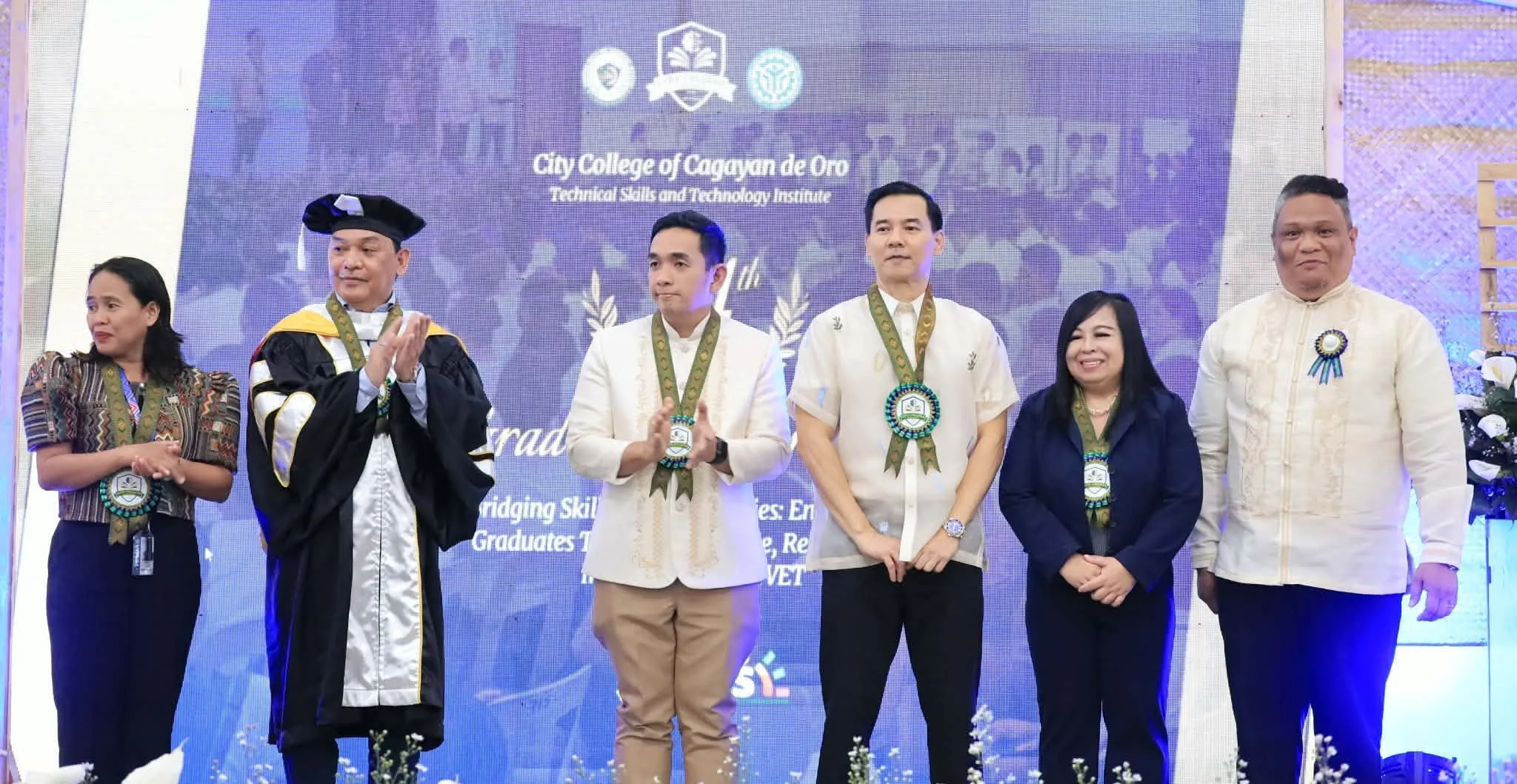
CAGAYAN DE ORO CITY — The City College of Cagayan de Oro – Technical Skills and Technology Institute (CCCDO-TSTI) produced 382 new skilled graduates on July 8, 2026, strengthening the city’s labor pool with industry‑ready workers. The 14th graduation ceremony marked another milestone in Mayor Rolando “Klarex” Uy’s push for accessible, employment‑focused education.
A Pathway to Employment
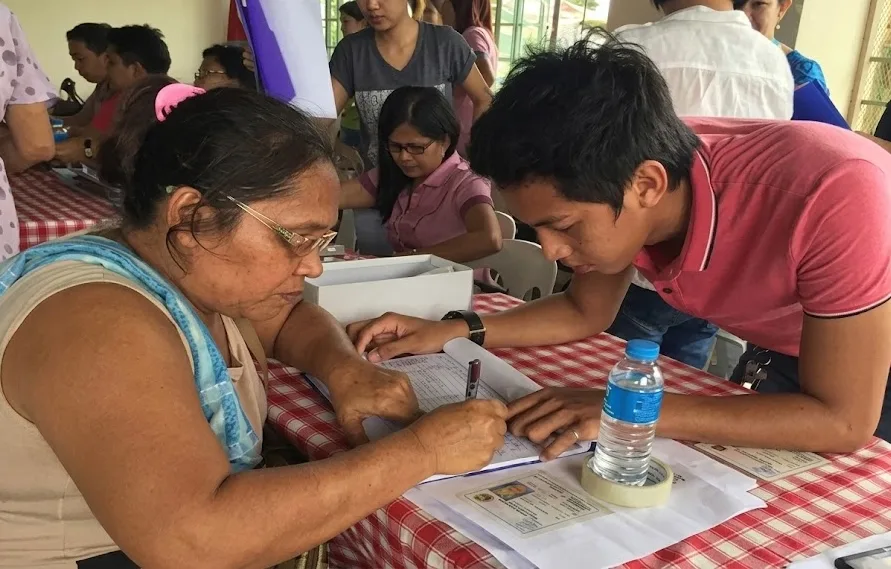
The graduates completed National Certificate programs in Electrical Installation and Management, Shielded Metal Arc Welding, Housekeeping, Carpentry, and Barangay Health Services. These courses were chosen to match the demands of local industries, ensuring that graduates can move directly into jobs or start their own businesses. The curriculum combines classroom instruction with hands‑on practice, producing workers who are ready from day one.
CCCDO President Dr. Jestoni P. Babia told the graduates that the institution exists to build opportunities that transform lives, families, and entire communities. He emphasized that a student’s economic background should never become a barrier to gaining employable skills. The free tuition policy removes the financial obstacle that stops many young people from pursuing post‑secondary training.
Industry‑Aligned Skills Development
Each course offered by TSTI carries a National Certification from the Technical Education and Skills Development Authority (TESDA), giving graduates a credential recognized nationwide. Electrical Installation graduates can wire residential and commercial buildings; welders can join construction and manufacturing projects; housekeeping graduates are ready for the hospitality sector. Carpentry and Barangay Health Services fill critical gaps in infrastructure and community care.
TESDA Regional Director Rafael Abrogar II and Provincial Director Marigold Cherie Garrido attended the ceremony, signaling the agency’s support for locally driven skills training. Their presence validated the quality of instruction at TSTI and assured graduates that their certificates carry weight with employers. The partnership between the city government and TESDA ensures that training programs remain relevant to market needs.
Local Government Investment in Workforce
Mayor Uy’s administration has made free technical‑vocational education a cornerstone of its poverty‑reduction and employment strategy. By funding the college and eliminating tuition, the city government is creating a pipeline of skilled workers who can attract businesses and support economic growth. This investment directly addresses the skills gap that often holds back regional development.
The program also targets out‑of‑school youth and adults seeking career shifts, offering a second chance at productive employment. Barangay Health Services graduates, for example, can serve as frontline health workers in their own communities, combining employment with public service. The model demonstrates how local governments can respond to both labor market demands and social welfare needs.
Bridging Skills to Opportunities
This year’s graduation theme highlighted the bridge between acquired skills and real economic opportunities. Dr. Babia noted that the institution’s success is measured not by rankings but by the lives it touches and the futures it helps build. Councilor Moreno Daba IV, chair of the City Education Committee, witnessed the ceremony and reaffirmed the council’s support for continued funding.
Mindanao TVET Association President Dr. Marte Emperio, who served as keynote speaker, challenged the graduates to use their skills to contribute to the region’s growth. He reminded them that Mindanao needs a technically proficient workforce to sustain its economic momentum. The graduates, equipped with TESDA certifications, are now positioned to meet that demand.