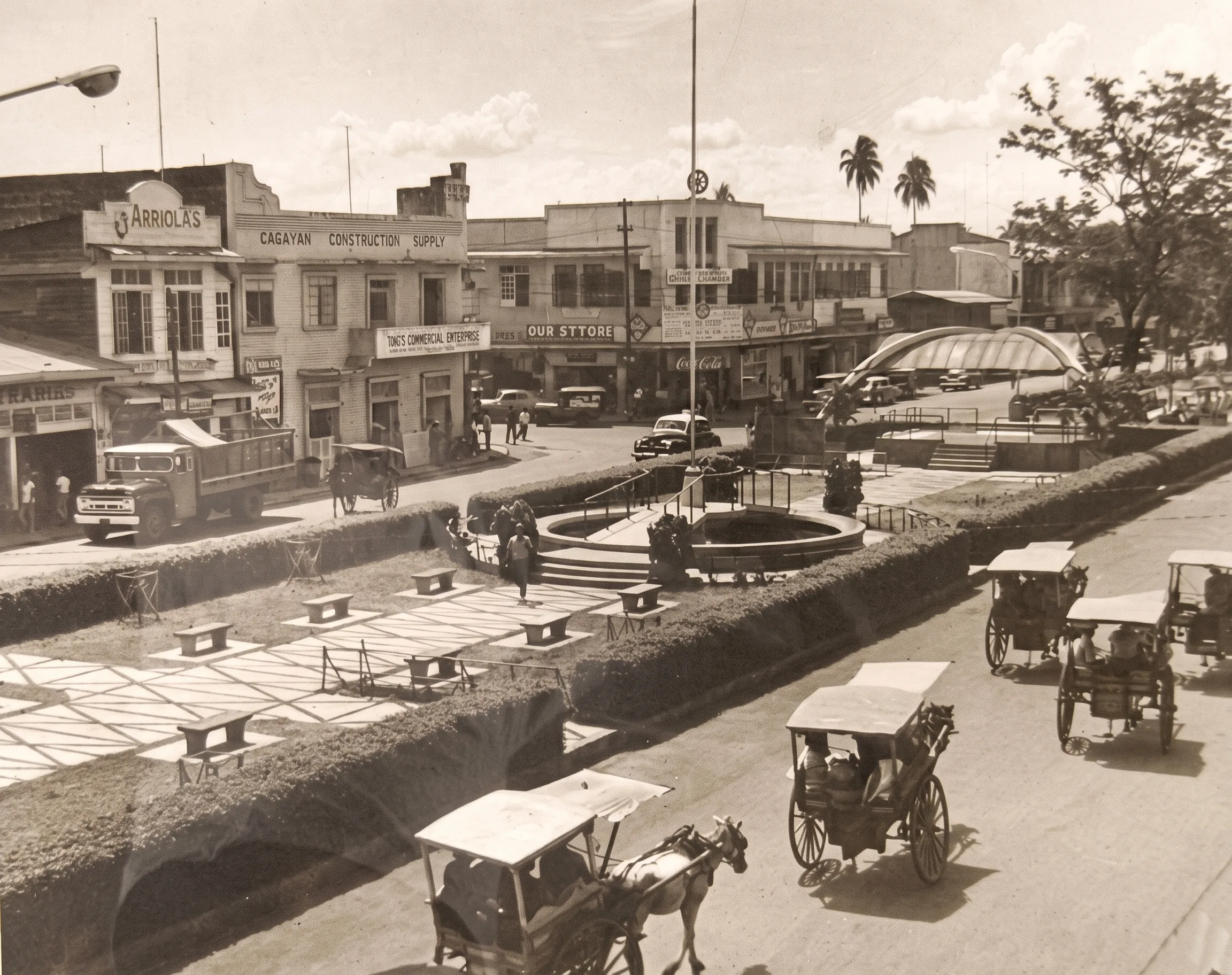
Cagayan De Oro — Cagayan de Oro is widely celebrated as the adventure capital of Northern Mindanao, yet this bustling urban center holds countless surprising details that even frequent travelers often overlook. Beyond the thrilling rapids and vibrant city streets lie fascinating historical depths, unique inventions, and cultural layers that make this region truly distinct. Discovering these lesser-known elements adds a profound layer of appreciation to any journey across the City of Golden Friendship. From unique local transit to ancient archaeological roots, exploring these hidden realities transforms a standard trip into an extraordinary experience.
Ancient Roots
Long before modern commerce shaped its borders, the area earned its early historical moniker from the abundance of precious metal found in its winding waterways. Spanish colonial documents noted that local rivers yielded significant amounts of gold, shaping early regional trade. Archaeological excavations at sites like Huluga Cave indicate that human settlements in this territory have existed since at least 350 AD. Furthermore, early native Kagay-anons practiced artificial cranial deformation as a mark of social status, revealing a deeply fascinating pre-colonial culture.
Unique Transit
Navigating the city streets introduces visitors to a distinct motorized vehicle found nowhere else in the country. Invented locally in the 1960s, the unique motorela functions as a hybrid between a tricycle and a mini-bus, comfortably carrying multiple passengers. This iconic transport serves as a beloved symbol of local ingenuity and daily commuting culture. Additionally, the municipality served as the proud site of the Battle of Makahambus Hill in 1900, marking a legendary tactical victory for Filipino fighters.
Modern Hub
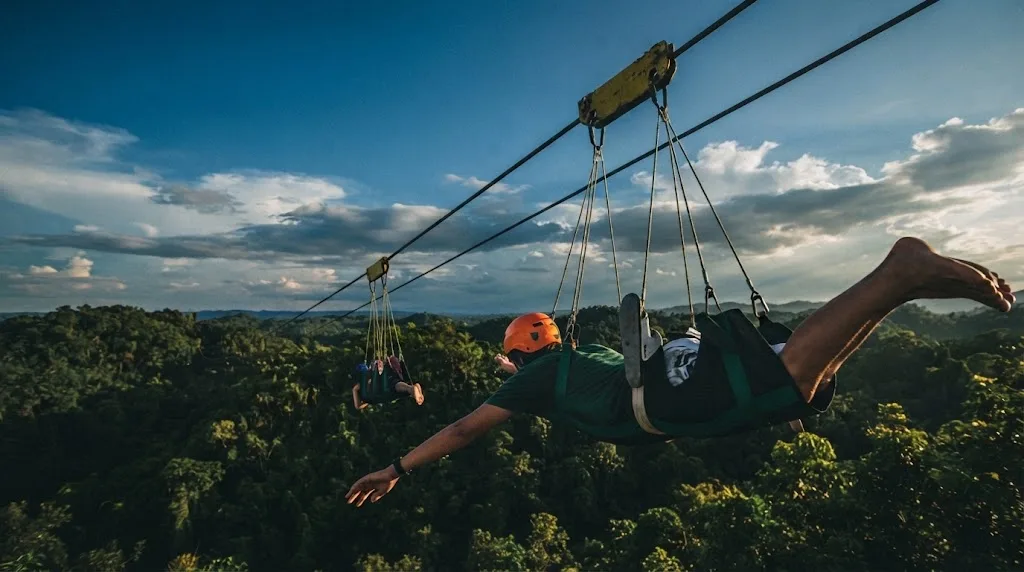
The city later transformed into a strategic stronghold and hosted General Douglas MacArthur during his historic escape sequence in World War II. Today, it stands globally recognized as the premier whitewater rafting capital of the Philippines, drawing thrill-seekers from across the planet. It also houses massive agricultural footprints, including serving as the manufacturing home for major international pineapple processing plants. Finally, the annual Higalaay Festival continues to unite locals and travelers every August in a vibrant display of culture and warmth.