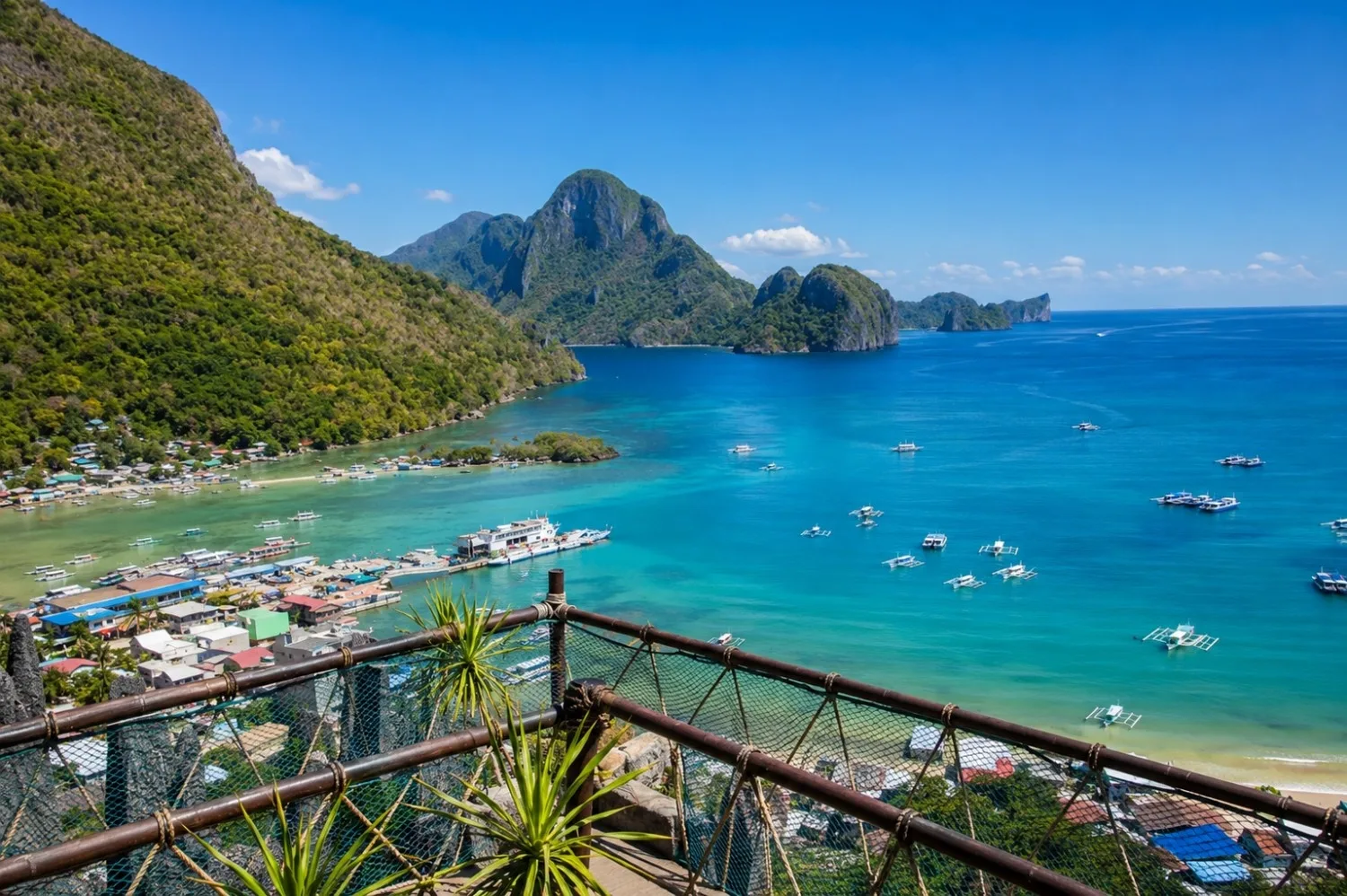
Palawan — The enchanting islands of Palawan have long stood as the Philippines' crown jewel of ecotourism, drawing visitors from across the globe to marvel at limestone cliffs, pristine waters, and thriving marine life. However, this immense popularity brings a significant challenge: how to welcome travelers without compromising the very environment that makes the province a paradise. Recognizing these limitations, local authorities and community organizations are increasingly shifting their focus toward sustainable development frameworks. This approach prioritizes environmental resilience, ensuring that the surge in tourism does not erode the ecological health of iconic destinations like El Nido and the Puerto Princesa Underground River.
etting Limits To Ensure Long Term Ecological Health
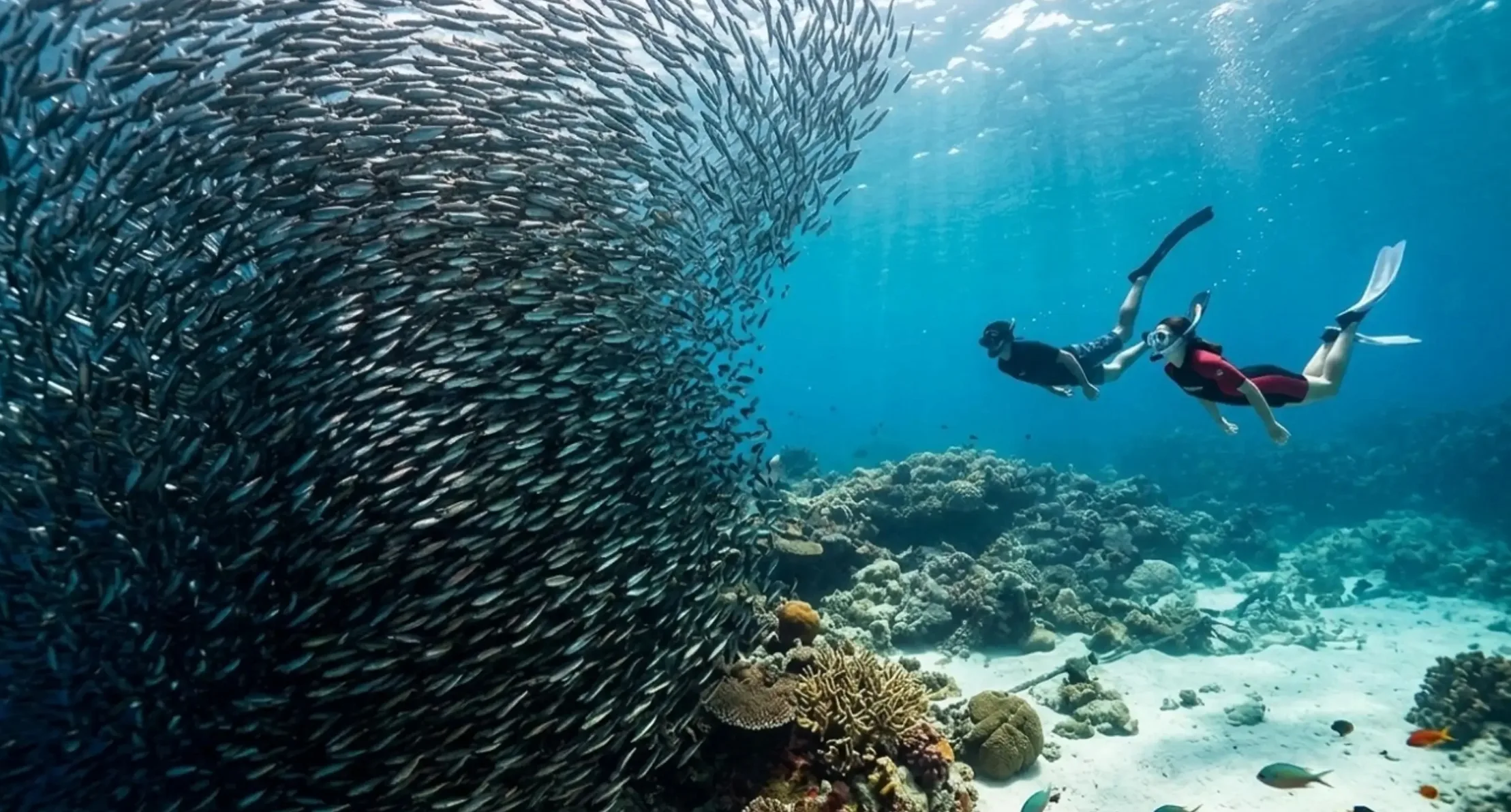
Managing the influx of visitors requires a commitment to science-based planning, particularly when determining the "carrying capacity" of fragile sites. By establishing upper and lower limits on daily tourist numbers, municipalities can prevent overcrowding that often leads to coral reef damage and habitat degradation. These management systems allow for controlled access at popular destinations, ensuring that natural wonders remain protected from the physical wear of excessive foot traffic. This strategy not only safeguards biodiversity but also maintains the quality of the experience for those who visit, proving that sometimes less really is more.
Empowering Local Communities Through Sustainable Ecotourism Initiatives
Beyond government policies, the most effective conservation efforts often stem from the direct involvement of local communities who serve as the primary stewards of their ancestral lands. Community-based ecotourism models allow residents to take a lead role in managing local attractions, from guided wildlife watching to heritage-focused tours. By providing alternative livelihoods that reward preservation rather than exploitation, these programs help alleviate poverty while keeping the environment in good condition. This community-led approach fosters a deep sense of ownership and responsibility, transforming tourism into a powerful tool for both economic upliftment and environmental protection.
Infrastructure Upgrades That Prioritize Environmental Protection Standards
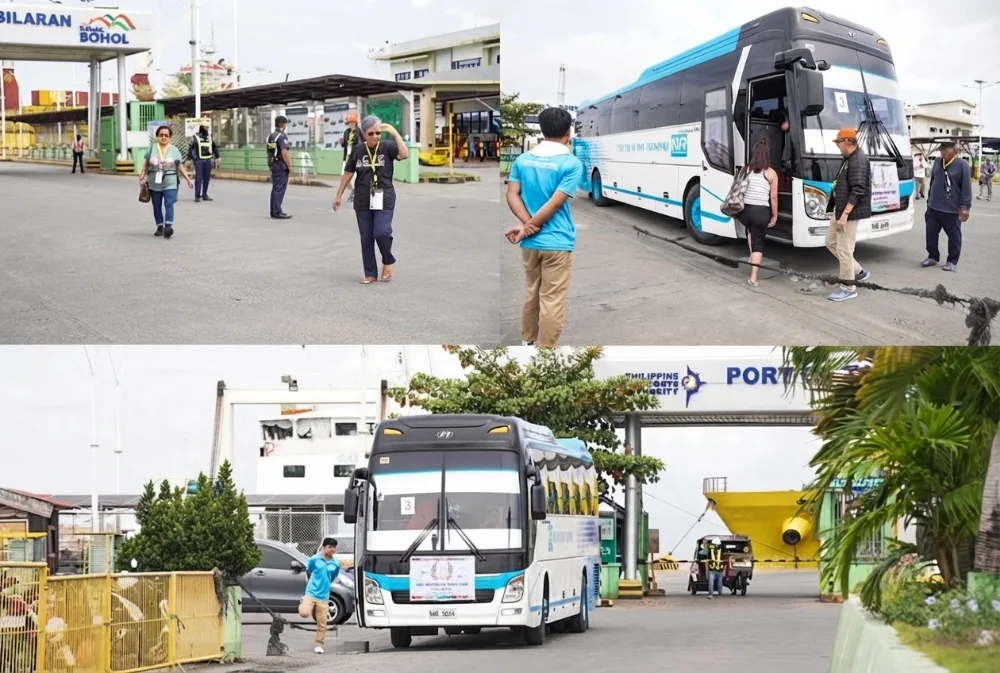
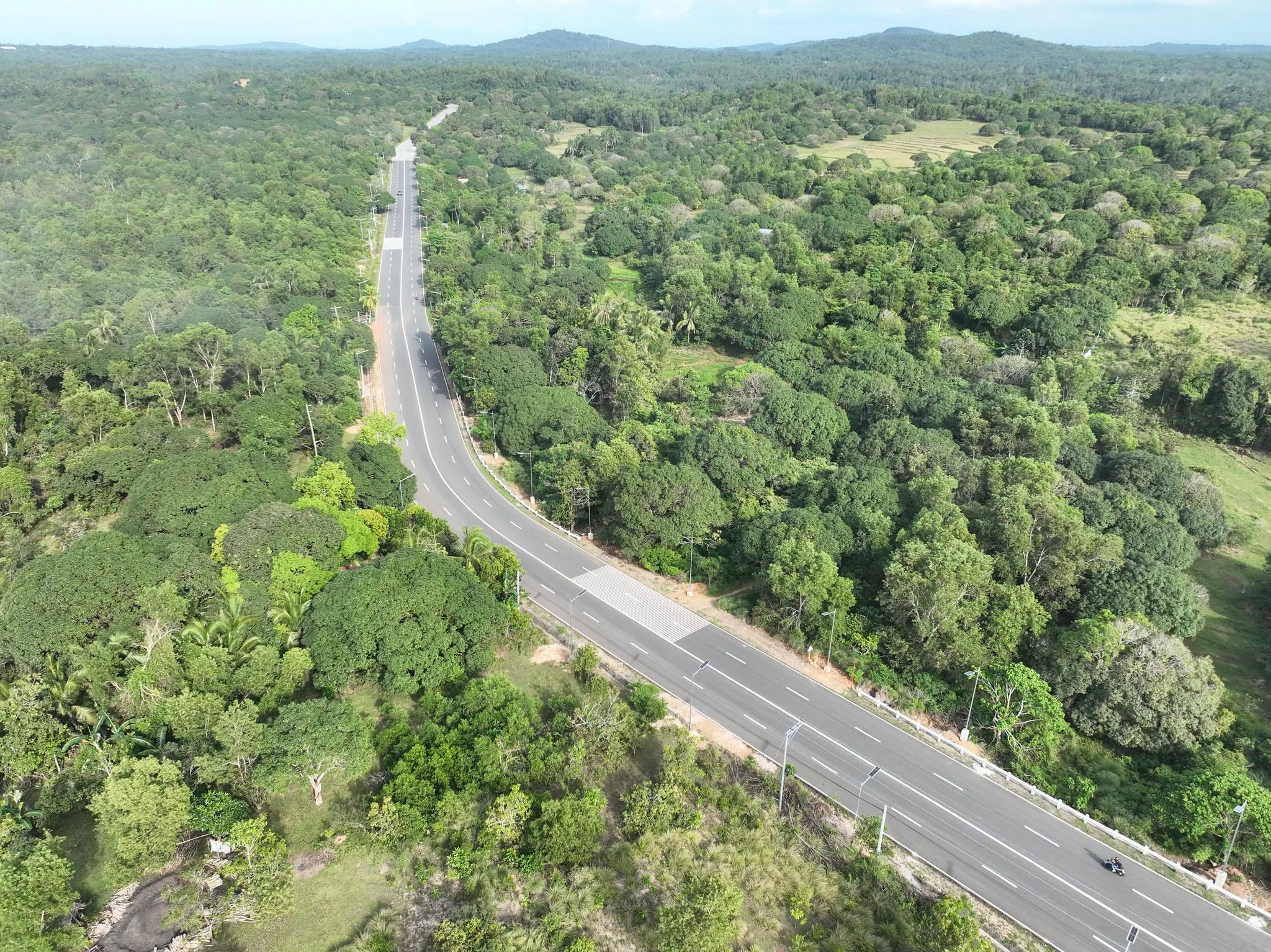
Modernizing tourism infrastructure is a crucial piece of the puzzle, focusing on systems that minimize human impact on the surrounding natural landscape. Investments in improved sewage treatment, waste management facilities, and efficient transportation networks are essential for handling the demands of a growing visitor base. As the province continues to welcome guests to its world-class hotels, vibrant cafes, and local restaurants, these foundational upgrades ensure that environmental health remains a top priority. Moving forward, the goal is to create a seamless travel experience that celebrates Palawan’s beauty without sacrificing the integrity of its land and sea.