CONCEPCION, Iloilo — The waters off Tago Island welcomed 5,012 juvenile blue swimming crabs on July 15, 2026, as the Iloilo Provincial Agriculture Office–Fisheries Division conducted a stock enhancement activity. The release promises a richer marine ecosystem that visitors can savor and explore.
A Vital Species Restored
Blue swimming crabs, known locally as kasag, are a cornerstone of Northern Iloilo’s seafood cuisine and a major draw for culinary tourists. Overfishing and habitat pressure had thinned their numbers in recent years. The release directly replenishes wild stocks, ensuring that future generations of travelers can enjoy the sweet, delicate meat that makes Iloilo’s crab dishes famous.
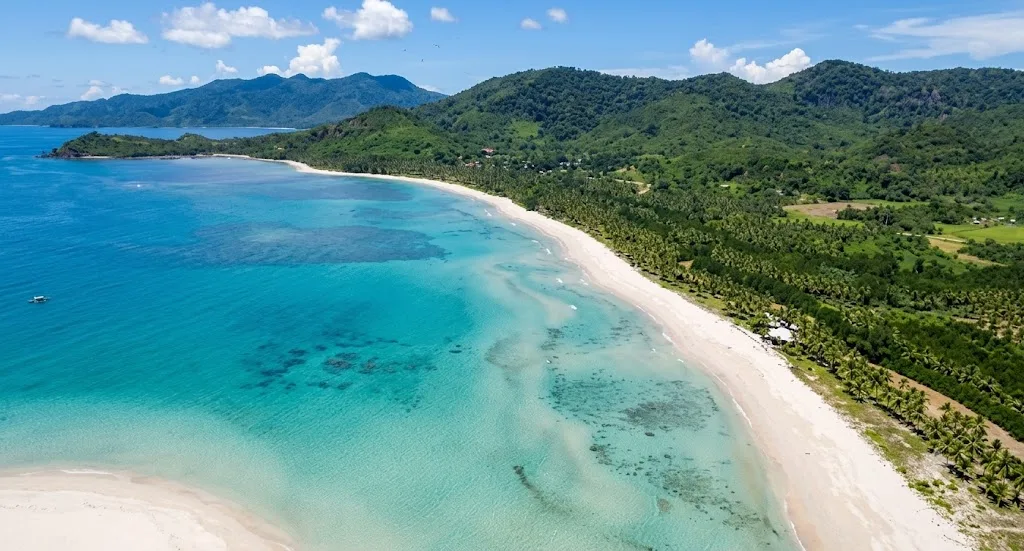
The juvenile crabs were released during their early instar stage, a carefully timed window that maximizes survival in open water. Fisheries biologists selected Tago Island for its healthy seagrass beds and protected coves, which serve as natural nurseries. The site is part of a broader network of marine protected areas that double as eco‑tourism destinations, where visitors can kayak, snorkel, and witness conservation in action.
A Hatchery That Powers Tourism
Behind the release stands a dedicated Blue Swimming Crab Hatchery at the Northern Iloilo State University campus in Concepcion. The facility, built with over ₱5 million in provincial funds, breeds crabs from egg to juvenile stage using scientific methods. It operates as a living laboratory where university researchers and students work alongside government technicians.
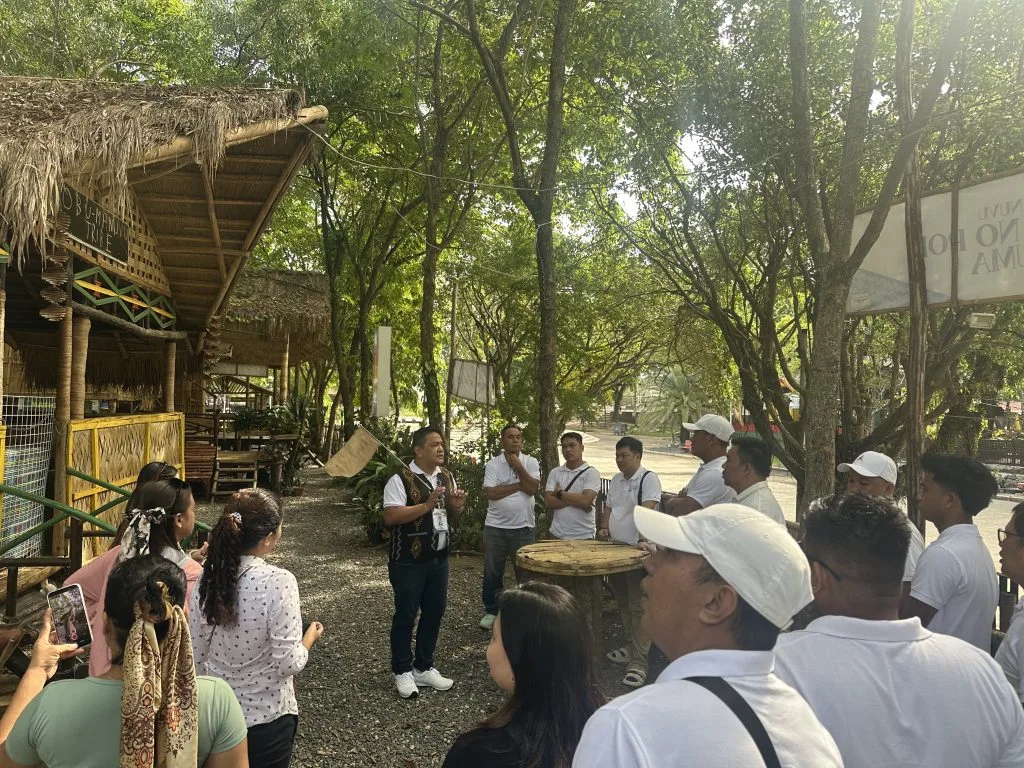
For tourists, the hatchery offers an educational stop that reveals the science behind the seafood on their plates. Guided tours explain the crab life cycle, the importance of sustainable harvesting, and the community’s role in protecting the resource. This blend of learning and leisure creates a richer travel experience beyond the usual beach itinerary.
Sustaining Livelihoods and Flavors
Local fisherfolk rely on blue swimming crabs for a significant portion of their income. When stocks dwindle, families suffer and the supply of fresh seafood for restaurants and markets diminishes. The stock enhancement program directly protects these livelihoods, ensuring that fishing communities can continue to thrive while supplying the tourism industry.
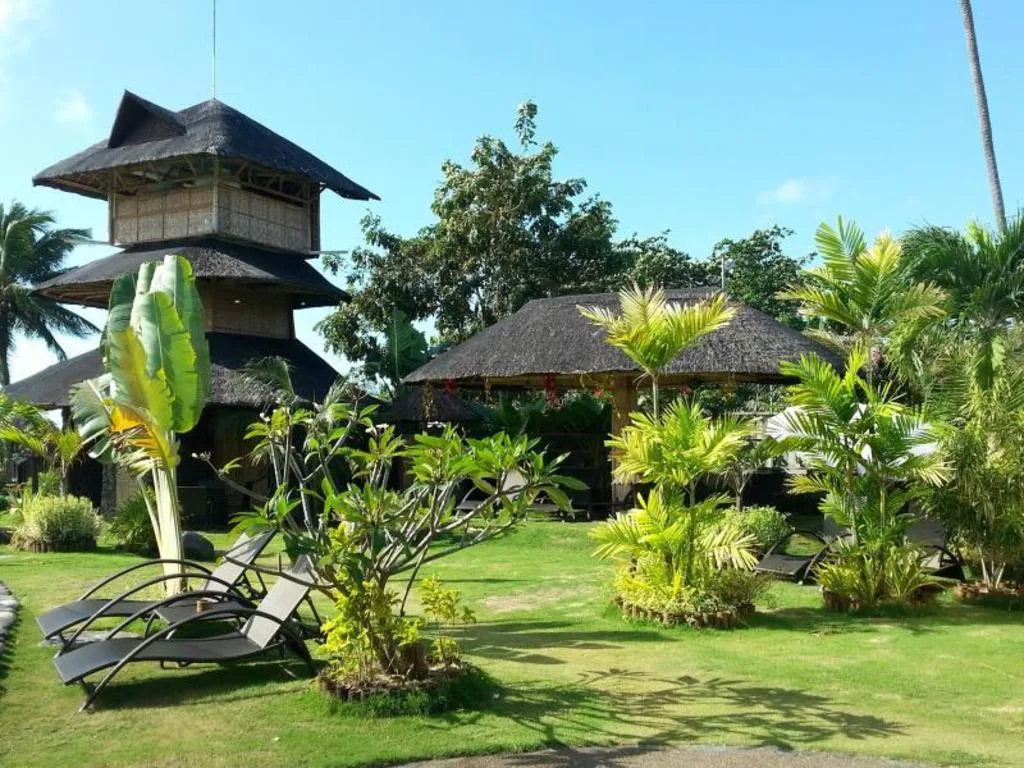
Visitors to Concepcion’s island resorts and seafood restaurants benefit from the program every time they order a plate of steamed crabs or crab marinated in garlic and butter. The assurance that the catch is sustainable adds value to the dining experience. Restaurants can proudly market their dishes as sourced from responsibly managed waters, appealing to eco‑conscious travelers.
A Model for Marine Conservation Tourism
Governor Arthur Defensor Jr. has championed the program as part of the province’s MoRProGRes agenda, which links environmental protection with economic growth. The crab release demonstrates how government investment in marine resources can yield returns in both food security and tourism revenue. Other coastal municipalities are watching Concepcion as a model for replicating similar initiatives.
The success of the program also strengthens Iloilo’s reputation as a destination that cares for its natural assets. Travelers increasingly choose locations that demonstrate genuine commitment to sustainability. Concepcion’s crab release, combined with its pristine islands and warm hospitality, positions it as a must‑visit for those seeking meaningful and delicious travel experiences.