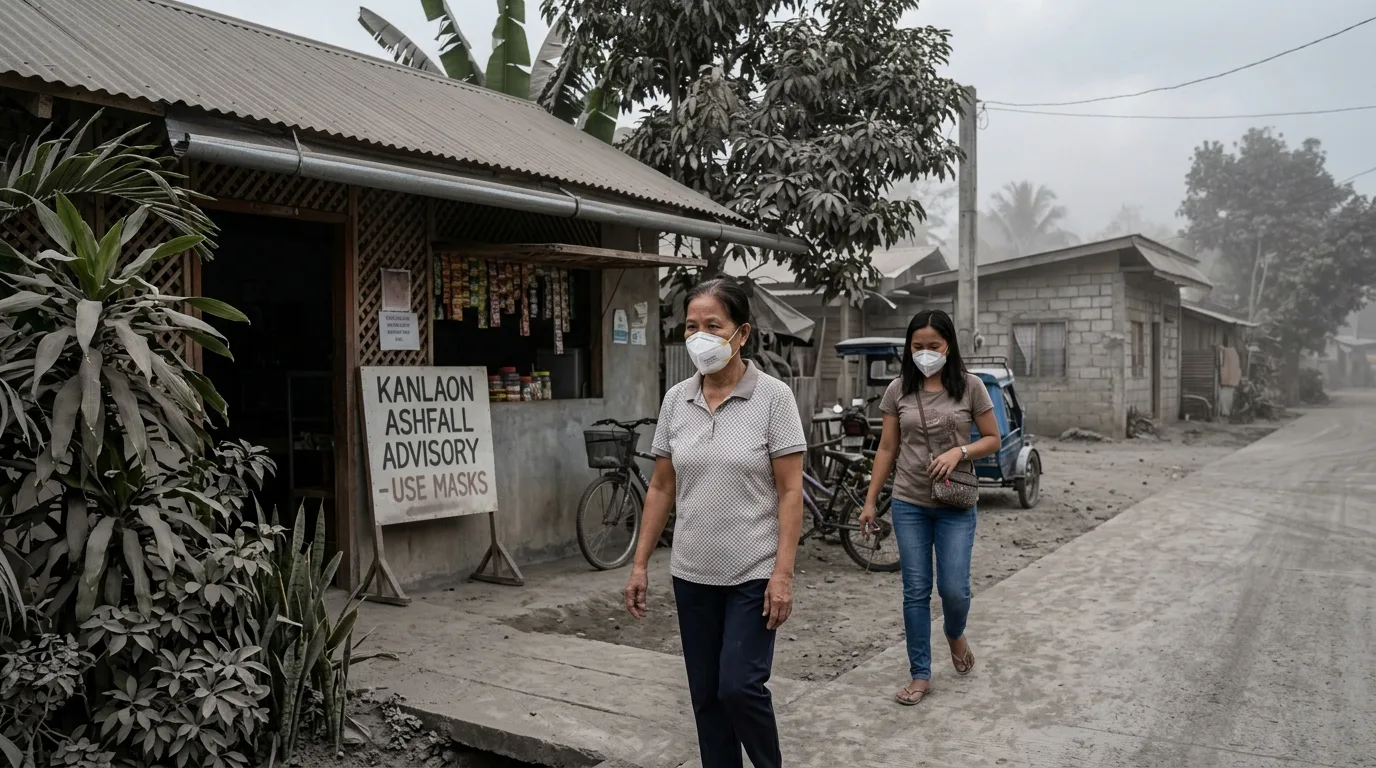
Cebu — Following the moderate explosive eruption of the Kanlaon Volcano on the morning of July 9, 2026, parts of Cebu experienced noticeable ashfall that prompted immediate public health measures. Mayor Nestor Archival directed the suspension of all classes, prioritizing the safety of students against the potential respiratory irritants found in volcanic particulate matter. Local disaster response teams, in coordination with government health and environmental bureaus, have been working tirelessly to monitor air quality and guide residents on proper safety protocols. While the situation created a temporary pause in city activities, the collective response has been marked by calm and coordinated safety operations.
Proactive Health Protocols
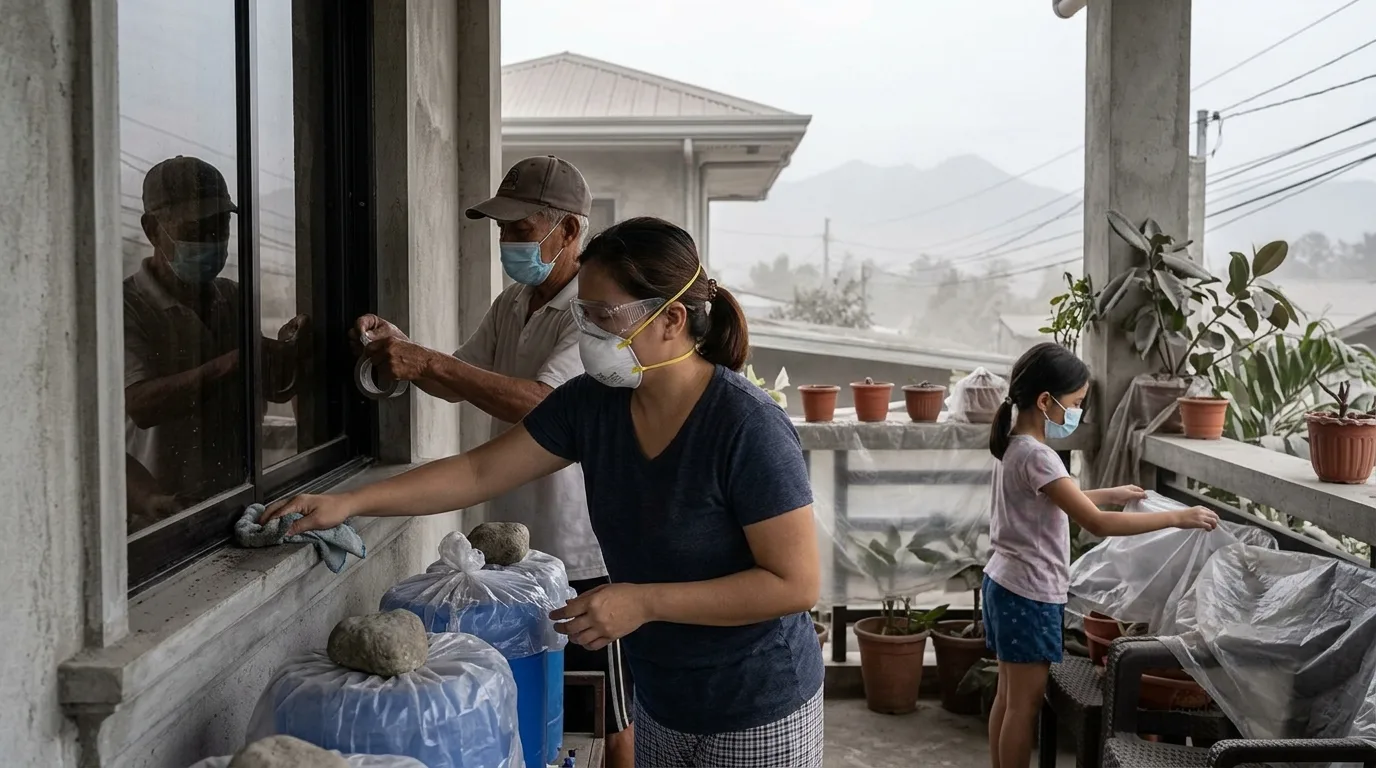
Government health officials were quick to issue guidelines on how to handle the ashfall, which can be significantly more abrasive and hazardous than regular household dust. Residents were instructed to use properly fitted N95 or KN95 masks to prevent the inhalation of volcanic particles that could irritate the eyes or worsen pre-existing breathing conditions. Public advisories also emphasized the importance of keeping drinking water sources covered to avoid contamination and cautioned against using water hoses to clean rooftops, which could clog drainage systems. These measures, while simple, were essential in ensuring that the sudden environmental shift did not lead to widespread health complications.
Inter-Agency Coordination
The effectiveness of the city’s response relied on the real-time data provided by volcano monitoring and weather bureaus, which tracked the ash plume's movement via prevailing wind patterns. By maintaining a transparent line of communication between the disaster office and the public, the administration minimized the spread of misinformation that often accompanies natural events. Coordination with the Department of Health and Environmental Management bureaus allowed for localized, accurate advice that was relevant to the specific barangays most affected by the haze. This disciplined approach underscores the province’s refined ability to handle atmospheric hazards with professional oversight.
Returning to Normalcy
With the wind shift, authorities noted that the ashfall began to subside by the morning of July 10, signaling a return to regular city operations. City disaster response units remain on heightened alert, demonstrating a readiness that ensures residents feel supported even in the face of unexpected geologic activity. The resilience shown by the Cebuano community during this brief interruption serves as a testament to the effectiveness of the region's long-term disaster preparedness planning. As air quality improves, the focus shifts back to the city's ongoing development and cultural events, showing how quickly the metro can recalibrate after a minor challenge.