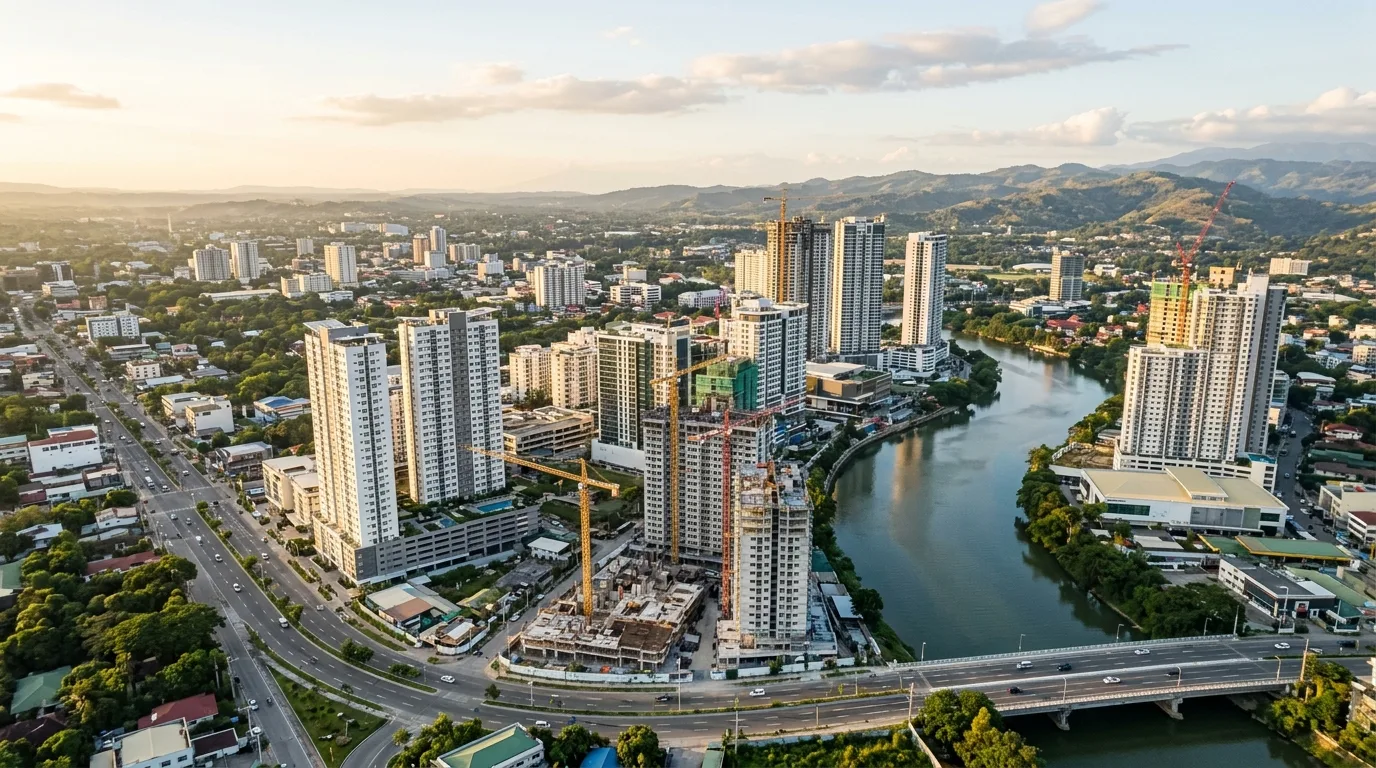
Cebu — According to a recent assessment by global real estate services firm Colliers, Cebu continues to solidify its position as the premier property hub across the Visayas and Mindanao (VisMin) regions of the Philippines. This designation holds true even in the face of a noticeable cooling in the office market, signaling a robust and diversified economic landscape that warrants attention from Filipinos both at home and abroad. The continued prominence of Cebu as a top property destination, as highlighted by Colliers, underscores its strategic importance to the national economy.
Decoding the Dynamics of a Regional Real Estate Powerhouse
A "top property hub" typically signifies a concentration of development, investment, and economic activity, attracting businesses and creating numerous job opportunities across various sectors, from construction and retail to business process outsourcing (BPO) and hospitality. While the office market may be experiencing a period of adjustment, Cebu's overall resilience points to underlying strengths in other property segments or an anticipated recovery, making it a key area for observation and potential engagement for many Filipinos.
How a Resilient Market Shapes Everyday Filipino Lives
Cebu's sustained status as a leading property market is a significant indicator of regional economic health for the Philippines. For countless Filipino families, including those supported by Overseas Filipino Workers, a strong property sector often translates directly into employment stability and growth opportunities. It can drive demand for services, stimulate local businesses, and encourage infrastructure development, all of which contribute to a higher quality of life and improved economic prospects for residents. The dynamism of a major hub like Cebu also attracts foreign direct investment, further boosting the national economy and creating a more competitive job market.
Navigating Growth Sectors and Securing Long-Term Wealth
For Filipinos considering career opportunities, relocation, or investment, Cebu's enduring property market strength presents a compelling case. OFWs, in particular, often look to invest their hard-earned remittances in stable assets back home, and a resilient real estate market in a key growth area like Cebu can offer attractive long-term prospects for property acquisition, whether for family homes or rental income. While the office sector's cooling warrants careful monitoring, the overall positive outlook for Cebu suggests diversified growth that could still benefit those looking into residential, retail, or industrial property segments. Prospective investors or returning Filipinos should conduct thorough research and consult local experts to navigate the market effectively and capitalize on the opportunities that this robust hub continues to offer.