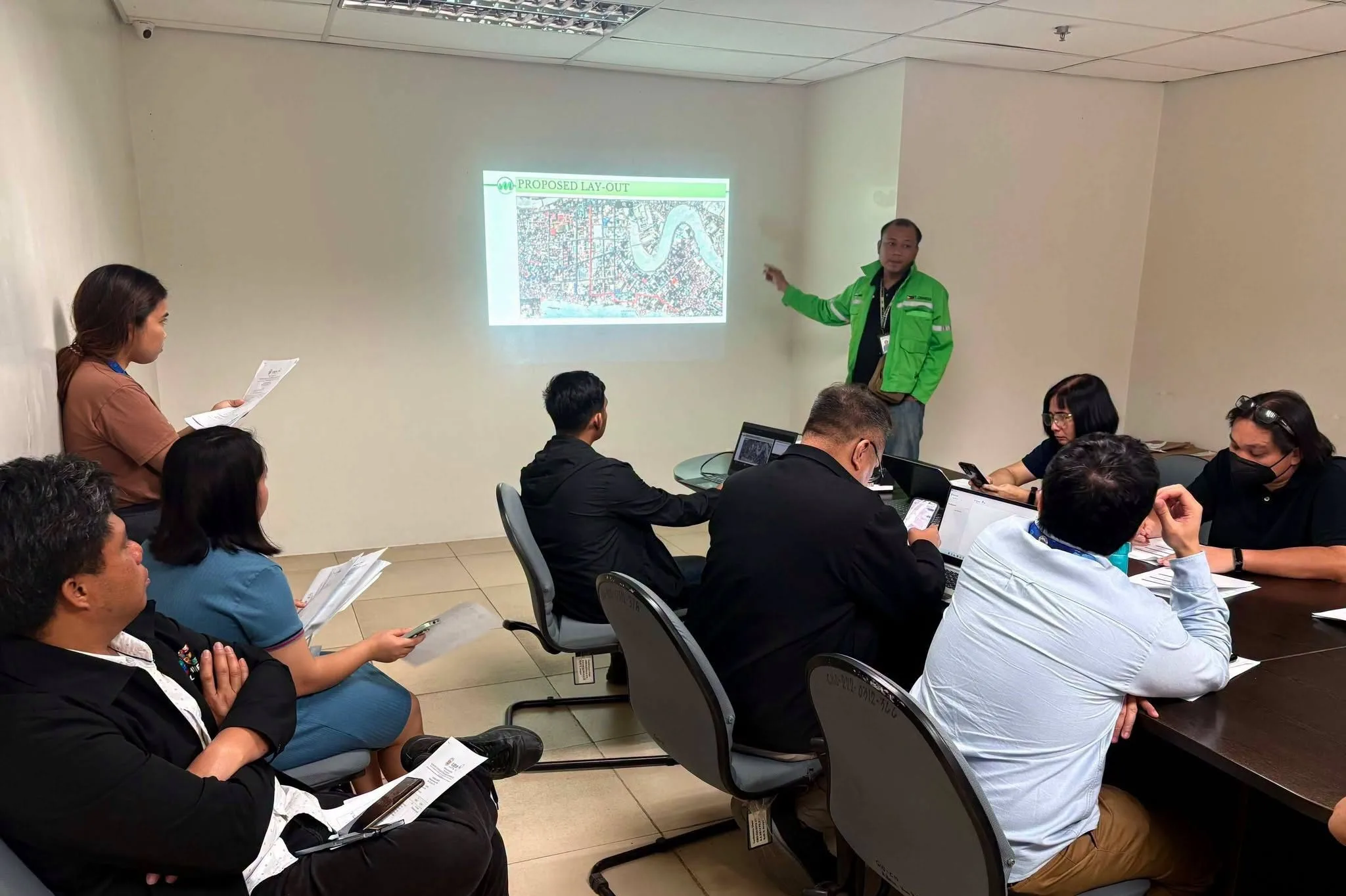
ILOILO CITY — The Iloilo City Council on Cultural Heritage Conservation (CCHC) laid out an ambitious agenda on July 2, 2026, linking heritage preservation directly to property market uplift. Discussions centered on tax incentives for ancestral homeowners, a contested waterfront project, and pedestrian upgrades that promise to reshape real estate demand in the historic core.
Heritage Tax Incentives to Unlock Private Investment
The council reviewed a proposed ordinance granting tax relief to owners of registered heritage houses. Maintaining century‑old structures entails steep costs that often discourage private upkeep, and the incentive aims to shift that calculus. By lowering the carrying cost of these properties, the city hopes to stimulate owner‑led restoration and protect architectural assets that define the downtown streetscape.
Real estate professionals see the incentive as a catalyst that can convert decaying ancestral homes into boutique inns, galleries, and premium residences. Heritage designation, coupled with fiscal breaks, transforms aging structures from liabilities into income‑generating assets. The policy also strengthens property valuations in the Calle Real corridor by ensuring neighboring historic buildings remain well‑maintained.
Waterfront Clash: RoRo Ramp Versus Prime Real Estate
A central debate revolved around the Philippine Ports Authority’s proposal for an additional RoRo ramp at Muelle Loney and Lapuz Road. While the PPA cites growing vessel traffic, urban planners warn that expanding heavy vehicle docks along the riverfront would choke a strategic corridor with industrial activity.
The Institute of Contemporary Economics submitted a position paper urging the council to reject the quick‑fix approach. It argued that Muelle Loney holds far greater potential as a mixed‑use waterfront district featuring civic spaces, dining, and tourism‑oriented commerce. Preserving the riverside for high‑value development could generate substantially more returns than a cargo staging area.
Council members appeared cautious, emphasizing that once prime riverside land is surrendered to industrial infrastructure, reclaiming it for public use becomes nearly impossible. The decision will effectively determine whether that stretch of Iloilo’s historic port evolves into a vibrant real estate destination or remains a logistics yard.
Pedestrianizing Guanco Street to Activate Commercial Spaces
Updates on the Guanco Street pedestrianization project revealed a deliberate strategy to increase foot traffic and stimulate the evening economy. The corridor intersects Calle Real, the heart of the heritage business district, and its conversion into a walkable promenade is expected to attract cafés, retail shops, and cultural pop‑ups.
By restricting vehicular access during peak leisure hours, the city intends to lower emissions while boosting the commercial viability of ground‑floor spaces. Property owners along Guanco are already anticipating higher lease rates as the area transforms into a pedestrian‑first destination. The project follows the completion of underground utility cabling, which eliminated overhead wires and improved the visual appeal of the district.
CMP Workshop to Blueprint Zoning and Value Protection
The council finalized preparations for a Comprehensive Management Plan Workshop scheduled for July 7 to 9. This blueprint will set conservation guidelines, height restrictions, and adaptive reuse standards across the Heritage Zone. For developers and investors, clear zoning rules reduce uncertainty and establish predictable property rights.
A well‑crafted CMP can raise the premium on compliant buildings while discouraging incompatible construction that erodes historic character. The workshop gathers planners, architects, and heritage advocates to balance modern density demands with the city’s commitment to preserving its cultural fabric.
Inspections and Budget Tracking Reinforce Compliance
Members also reviewed the 2026 budget implementation to ensure sufficient funding for restoration work and structural monitoring. Upcoming on‑site inspections across the Heritage Zone will verify that property owners adhere to safety and conservation standards. These checks protect not only the buildings themselves but also the collective real estate value of the historic district.