CEBU CITY — A Cebuano designer has found a way to wrap the island’s soul around your shoulders. Dexter Alazas, through his MANO-MANO collection, merges centuries‑old handloom weaving with fine‑art painting to create garments that double as walking postcards of Cebu’s most beloved landmarks.
The Man Behind the Movement
Dexter Z. Alazas began his career in fashion design after leaving nursing school in the 1990s. His talent surfaced early when he won Best in Design at a Miss Cebu Tourism competition in 1994. He later founded Alazas Atelier, dressing local personalities, but his true calling emerged when he discovered the fading craft of hablon weaving in Argao, Cebu.
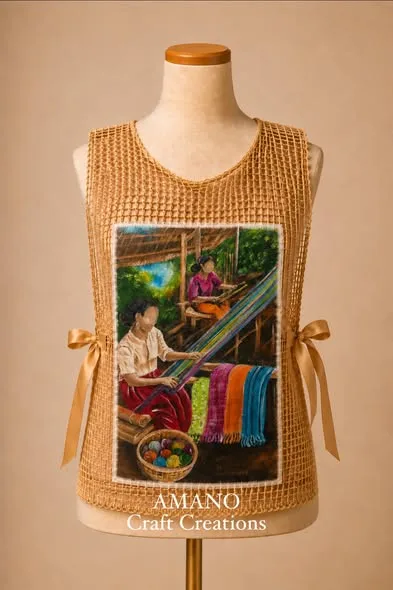
In 2007, Alazas traveled to the southern municipality of Argao and encountered hablon de Argao—a handloom tradition that had been reduced to household towels and blankets. Seeing its potential, he partnered with local weavers, the Department of Trade and Industry, and Cebu Technological University to revive the craft. He then established Amano Craft Creations, a retail brand that introduced hablon apparel to a wider market.
Two Hands, One Masterpiece
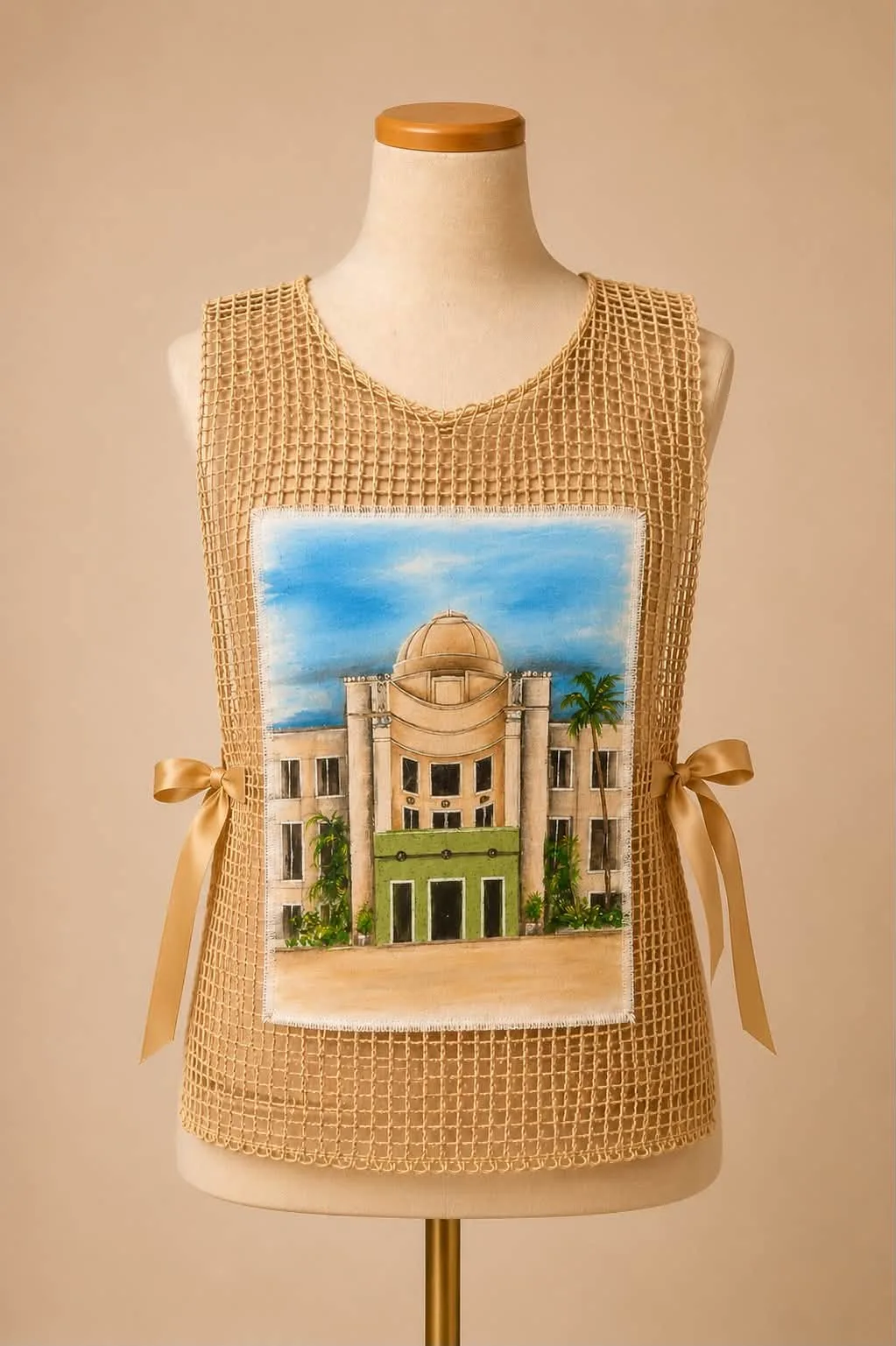
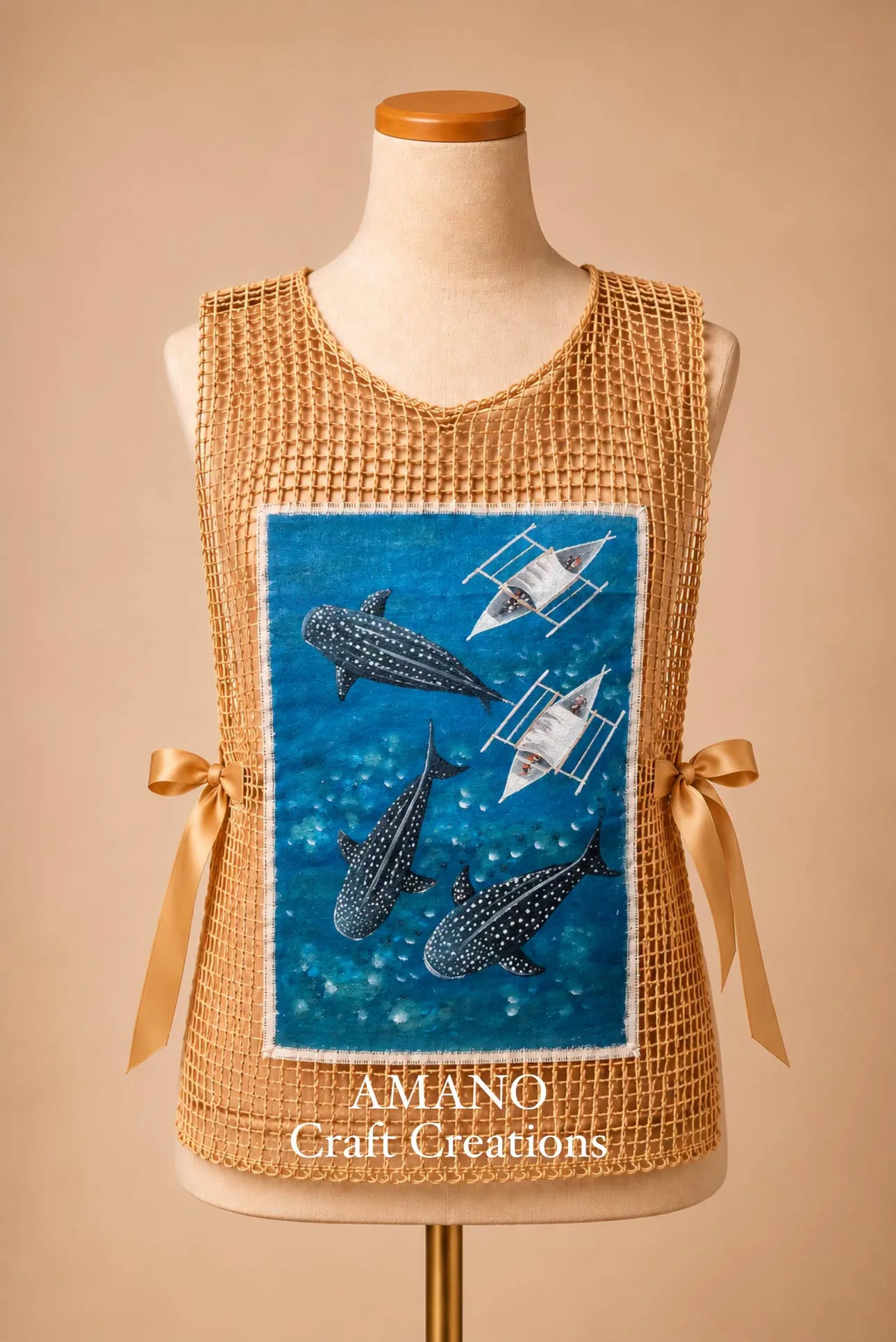
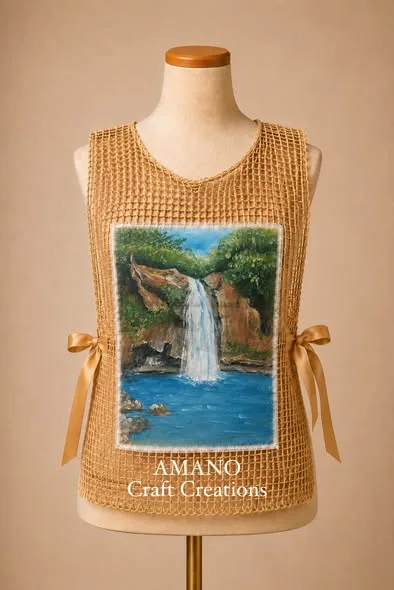
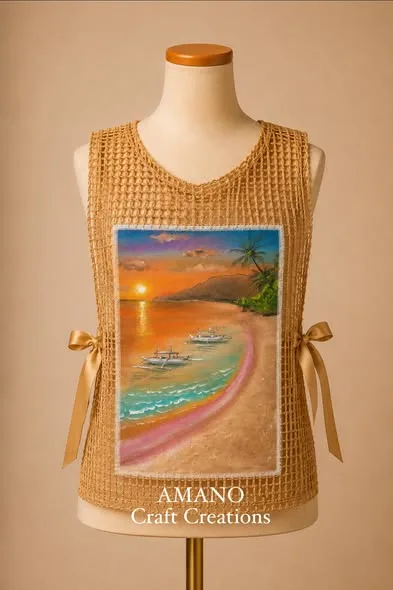
The name MANO-MANO, literally “hand‑hand,” refers to the double handcrafting behind each piece. First, rural women in Argao painstakingly weave abaca, piña, cotton, and polyester threads into hablon fabric on wooden looms. Second, Cebuano visual artists hand‑paint the finished garments with images of Cebu’s architectural icons, natural wonders, and cultural symbols.
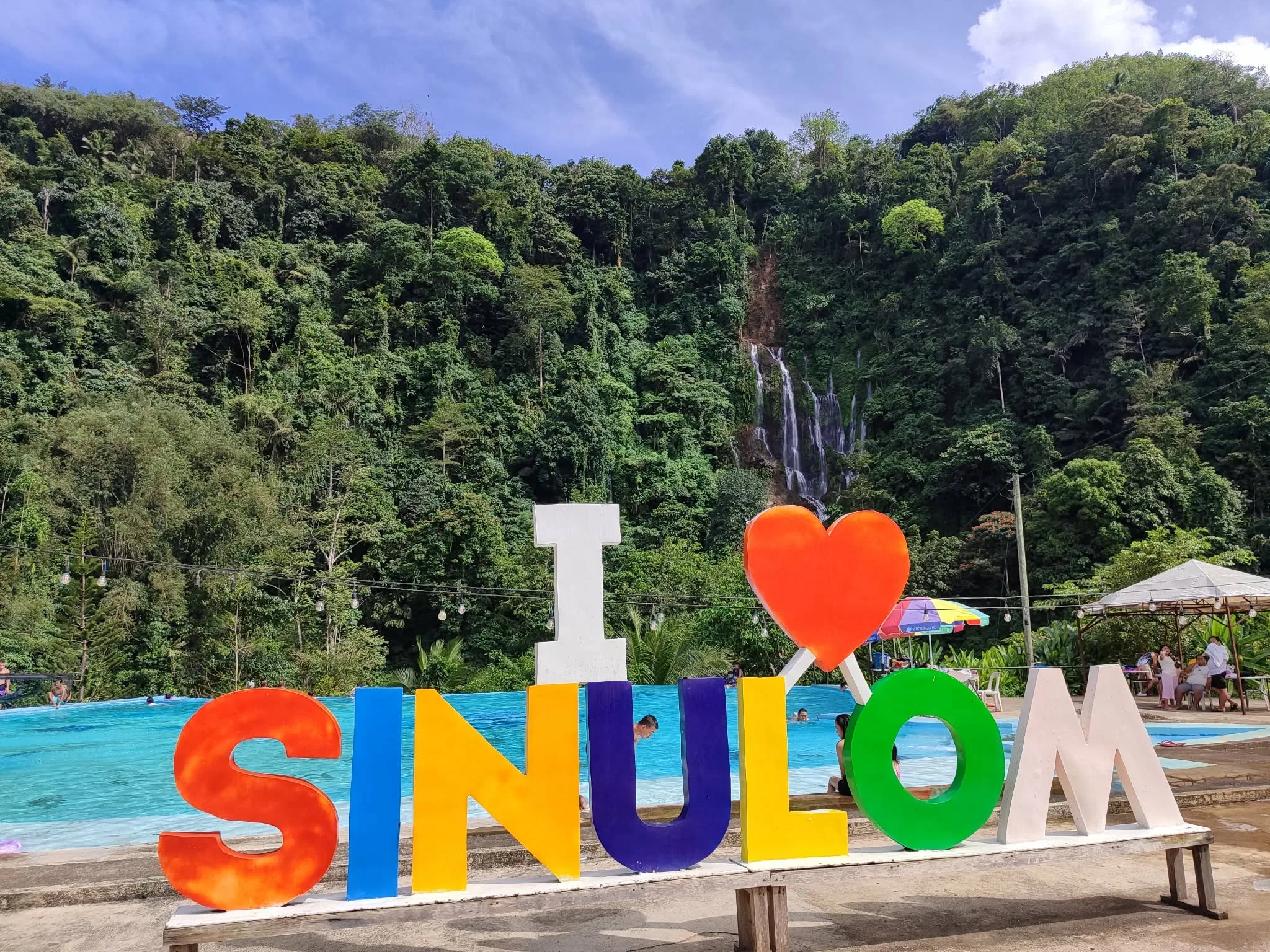
The result is a collection called “Cebu Wear – Destination by Design.” A single dress might feature the Magellan’s Cross, the Cebu Provincial Capitol, or the whale sharks of Oslob, rendered in vivid color on textured hablon. Alazas calls it “elevating fashion to the field of arts” and has showcased the collection at Ayala Center Cebu, Dusit Thani Mactan Cebu, and other prominent venues.
A Wearable Capitol for the Governor
The collection recently achieved a milestone when Alazas presented Governor Pamela Baricuatro with a custom piece painted with the façade of the Cebu Provincial Capitol. The courtesy visit, facilitated by Michael Acebedo Lopez, symbolized official recognition of the designer’s role as a cultural ambassador. The capitol garment now stands as a testament to how civic pride can be woven and painted into fabric.
Weaving Livelihoods, Preserving Heritage
Beyond the runway, MANO-MANO is a social enterprise. It provides steady income for women weavers in Argao, transforming a domestic chore into a viable livelihood. By creating demand for hablon, Alazas encourages younger generations to learn the loom, safeguarding a tradition that dates back centuries. The initiative also promotes Cebuano craftsmanship to overseas Filipinos and eco‑conscious travelers, turning every sale into a story of cultural survival.
An Invitation to Wear Cebu
The MANO-MANO philosophy is simple: “Love Local. Wear Cebu. Celebrate Filipino Craftsmanship.” Each garment invites the wearer to carry a piece of Cebu’s history, landscape, and identity wherever they go. As the collection grows, so does its power to inspire a deeper appreciation for the island’s heritage—one handwoven, hand‑painted masterpiece at a time.