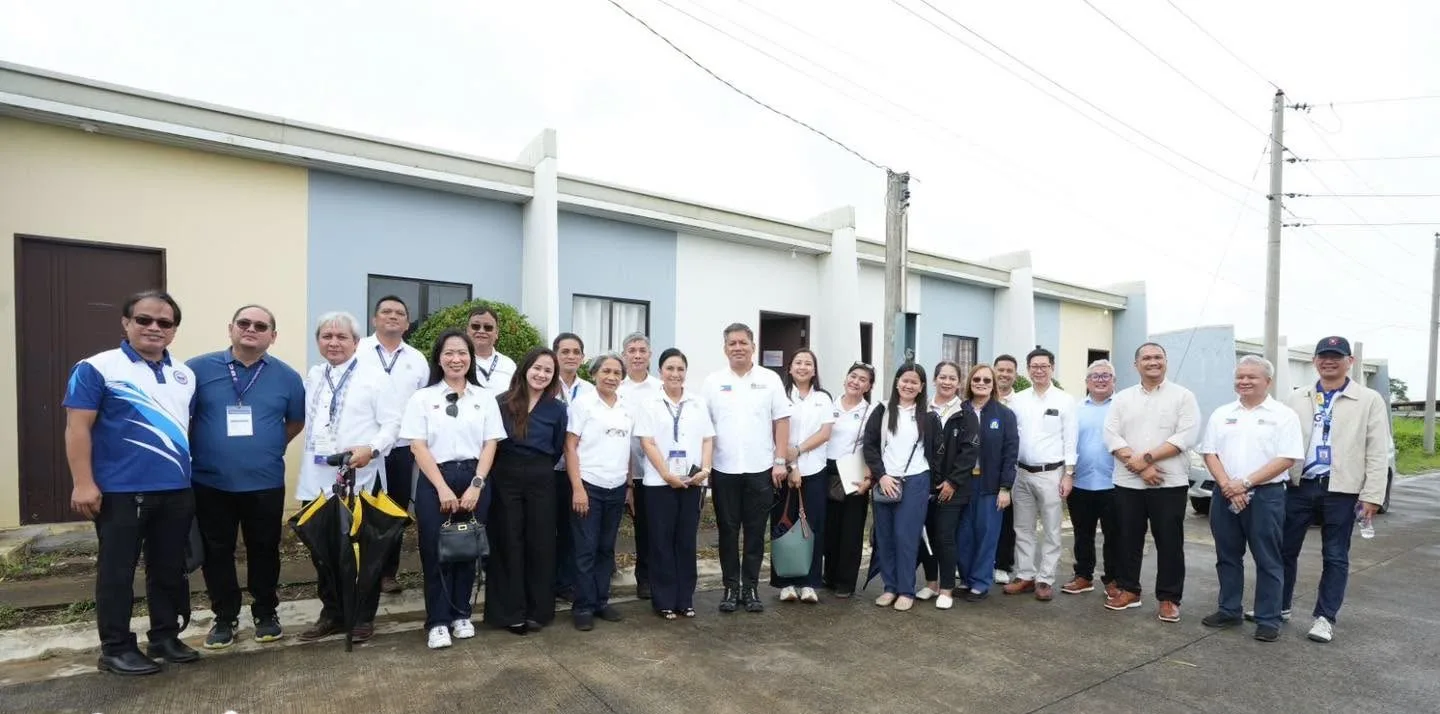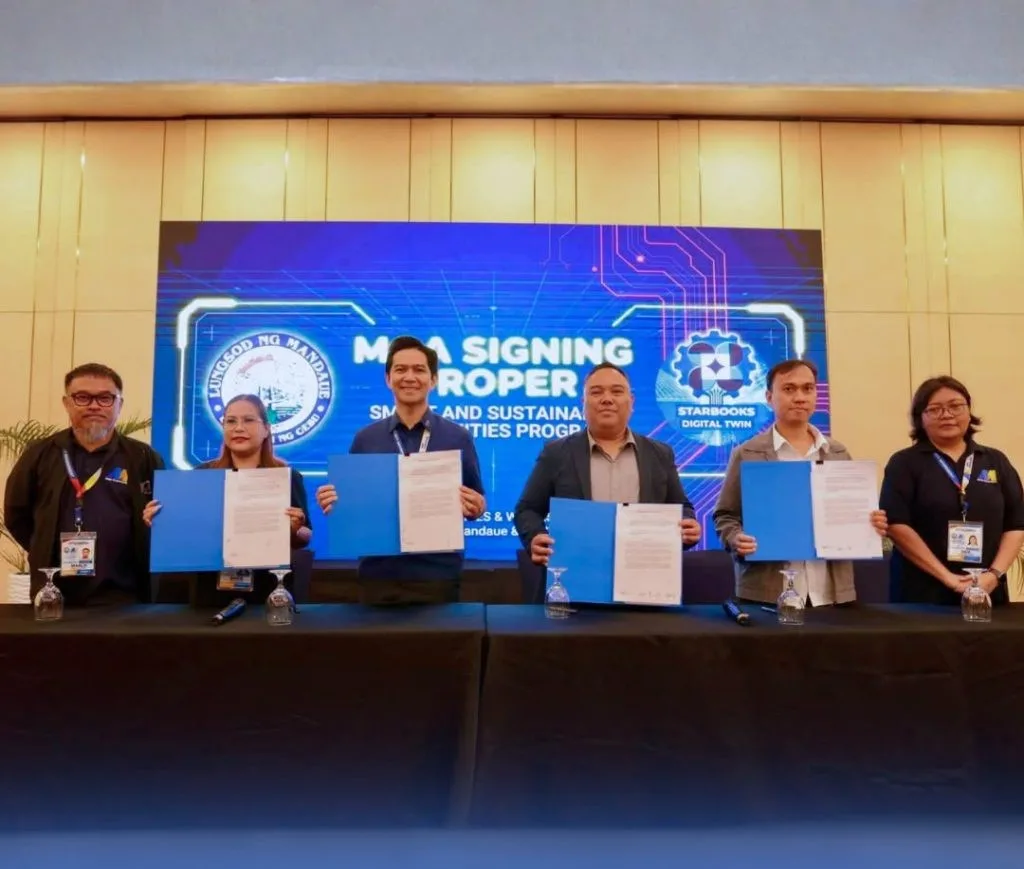
MANDAUE CITY, Cebu — The Department of Science and Technology in Central Visayas (DOST-7) and the Mandaue City government have signed a memorandum of agreement that promises to reshape how the city plans its urban landscape. The deal covers a Digital Twin Project and STARBOOKS digital library under the Smart Mandaue Roadmap.
A Virtual City for Smarter Planning
The Digital Twin Project will create a precise three-dimensional virtual replica of Mandaue City using drone mapping technology. This digital model mirrors the physical environment, allowing planners to simulate infrastructure projects before breaking ground. City officials can test traffic schemes, assess building heights, and visualize zoning impacts without costly physical trials.
The system will be turned over to the City Planning and Development Office for integration into the Comprehensive Development Plan. DOST-7 Regional Director Tristan L. Abando emphasized that smart community development must begin with clearly identified local needs and practical solutions. He stressed that the technology is smart but not necessarily expensive, sustainable but not unnecessarily complex.
Data-Driven Decisions for Land Use
For property developers and investors, the digital twin offers an unprecedented level of transparency in urban planning. The virtual model can identify underutilized parcels, assess infrastructure capacity, and guide zoning decisions based on real-time data. This evidence-based approach reduces uncertainty in property development and helps the city allocate land more efficiently.
Mayor Thadeo Jovito “Jonkie” Ouano said the partnership will help Mandaue use data and technology to plan better and deliver services that respond to the actual needs of residents. The digital twin feeds directly into the ongoing review of the city’s Comprehensive Development Plan, which serves as the foundation of the Smart Mandaue Roadmap. Every future project will now have a scientific baseline.
Disaster Resilience Boosts Property Confidence
Beyond land use, the digital twin is designed to monitor hazard-prone and flood-prone areas, giving the city a powerful tool for disaster preparedness. Mandaue, as a low-lying urban center, faces recurring flood risks that can depress property values in vulnerable barangays. The technology allows officials to model flood scenarios and design targeted drainage and mitigation projects.
This capability strengthens buyer confidence. When a city demonstrates the ability to predict and manage environmental risks, it becomes a more attractive destination for long-term residential and commercial investment. Insurance assessments also benefit from the data, potentially lowering premiums for properties in well-mitigated zones.
Learning Tools for Future Professionals
The agreement also covers STARBOOKS, a digital science and technology library developed by the DOST Science and Technology Information Institute. It operates without an internet connection, providing students and researchers free access to thousands of STEM resources. The kiosk will be temporarily installed at the Mandaue City Public Library.
While distinct from the digital twin, STARBOOKS complements the smart city vision by equipping the next generation with the knowledge to sustain and expand the city’s technological gains. Young Mandauehanons will have access to the same scientific information available in connected urban centers. The initiative builds a workforce ready for the demands of a modernizing city.
A Model for Metro Cebu Growth
The signing follows the ceremonial launch of the roadmap during the 2026 Central Visayas Regional Science, Technology and Innovation Week. Mayor Ouano assured that his administration will manage the programs so the community benefits long term. The collaboration sets a benchmark for other Metro Cebu cities seeking to integrate technology into governance and urban planning.