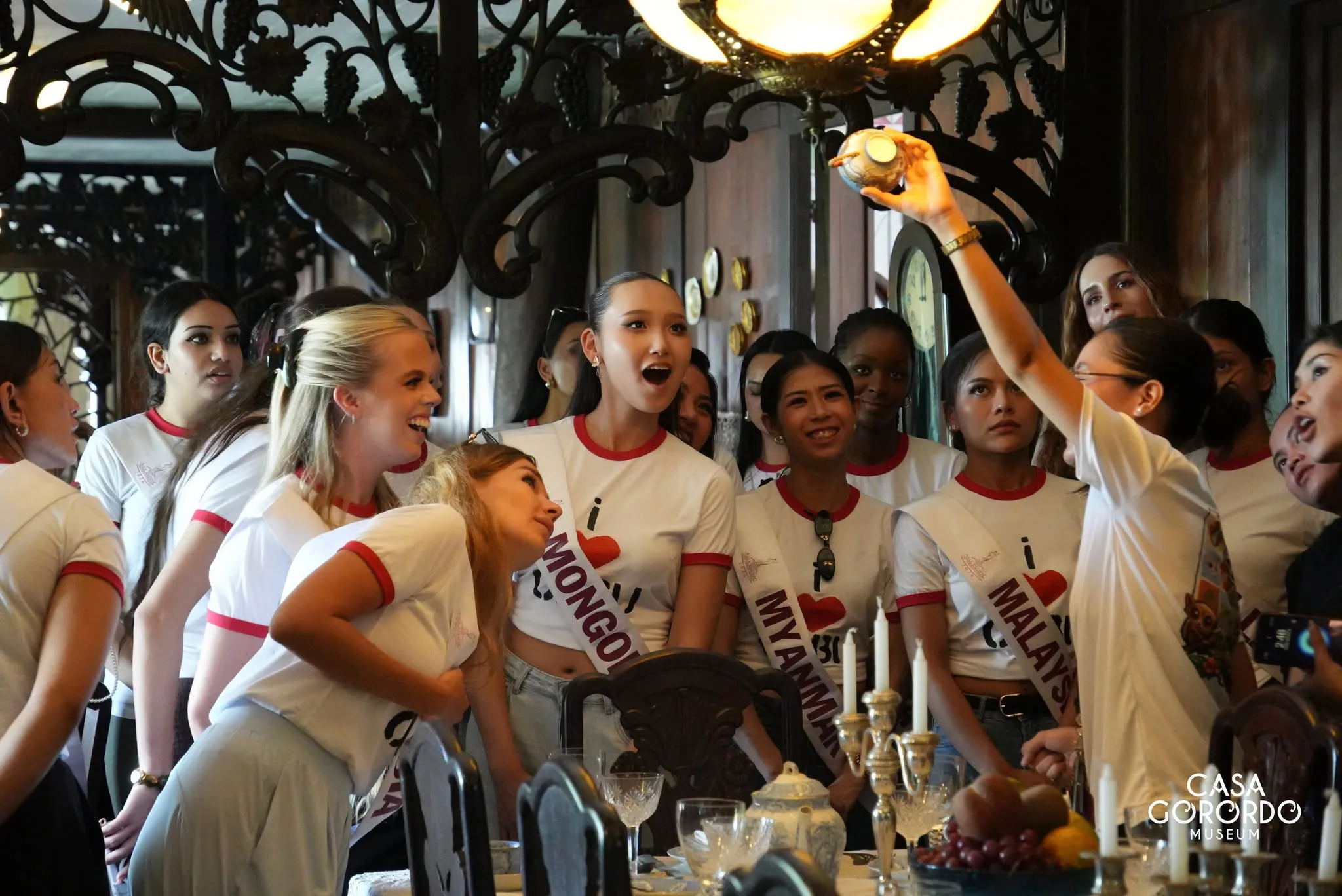
CEBU CITY — The historic Parian district came alive on September 29, 2026, as candidates of Ms. Asia Pacific 2026 gathered at Casa Gorordo Museum for a cultural immersion. The visit celebrated the convergence of international pageantry and centuries-old Cebuano heritage.
A Living Museum Opens Its Doors
Casa Gorordo Museum stands as one of the finest surviving examples of Spanish-colonial Filipino residential architecture. Built in the 1850s by Alejandro Reynes y Rosales, the estate later became home to four generations of the Gorordo family. Juan Gorordo rose to become the first native Cebuano Bishop of Cebu in 1910.
The Ramon Aboitiz Foundation Inc. acquired the property in 1980 to safeguard its cultural value. Following meticulous restoration, the museum opened to the public in 1983. It has since been declared a National Historical Landmark by the National Historical Commission of the Philippines.
Architecture That Tells Stories
The traditional balay nga tisa reflects climate adaptation and social hierarchy of 19th-century urban Cebu. The ground floor's thick coral stone walls historically stored agricultural produce and carriages while offering resilience against tropical storms. The upper floor, crafted from premium hardwoods like molave and tindalo, features wide plank flooring and expansive Capiz shell windows.
Delegates toured the formal sala filled with antique furniture and religious iconography. They explored the traditional cocina equipped with clay stoves and brass cookware. Each room revealed how daily life unfolded in late 19th and early 20th century Cebu, offering a sensory journey through local history.
Cultural Engagement Beyond the Crown
The immersion allowed international delegates to connect with local heritage through multifaceted activities. They tasted authentic Cebuano delicacies and learned about historic culinary practices that shaped Visayan hospitality. Traditional Visayan songs and displays of local weaving provided a multidimensional perspective on Cebuano artistry.
Rather than passively consuming static history, candidates engaged with museum educators to understand how family values, religious devotion, and maritime trade built modern Cebu. This interactive approach demonstrated that true beauty is rooted in authenticity and cultural preservation.
Elevating Cebu's Cultural Identity
Hosting global ambassadors at Casa Gorordo broadens international perception of the province. Cebu is globally renowned for white-sand beaches and bustling economic infrastructure. Events like this assert its status as an ancient cultural center with centuries of recorded history and artistic legacy.
The visit shifts the tourism narrative toward heritage and experiential travel. It attracts visitors seeking meaningful connections with local communities. The international attention also serves as a reminder to policymakers about the importance of urban conservation in the face of commercial expansion.
Inspiring Local Pride and Youth Engagement
In an era of rapid urbanization and digital saturation, younger generations can grow disconnected from ancestral roots. Seeing international delegates honor Cebuano history inspires local residents to view their heritage with renewed pride. It reinforces that local customs, language, and architecture are world-class treasures worth preserving.
The event also equipped candidates to carry genuine cultural narratives back to their home nations. As delegates share stories of Cebuano resilience and craftsmanship, they become long-term advocates for Philippine culture. Modern pageantry increasingly prioritizes platform-driven advocacy over surface-level aesthetics.