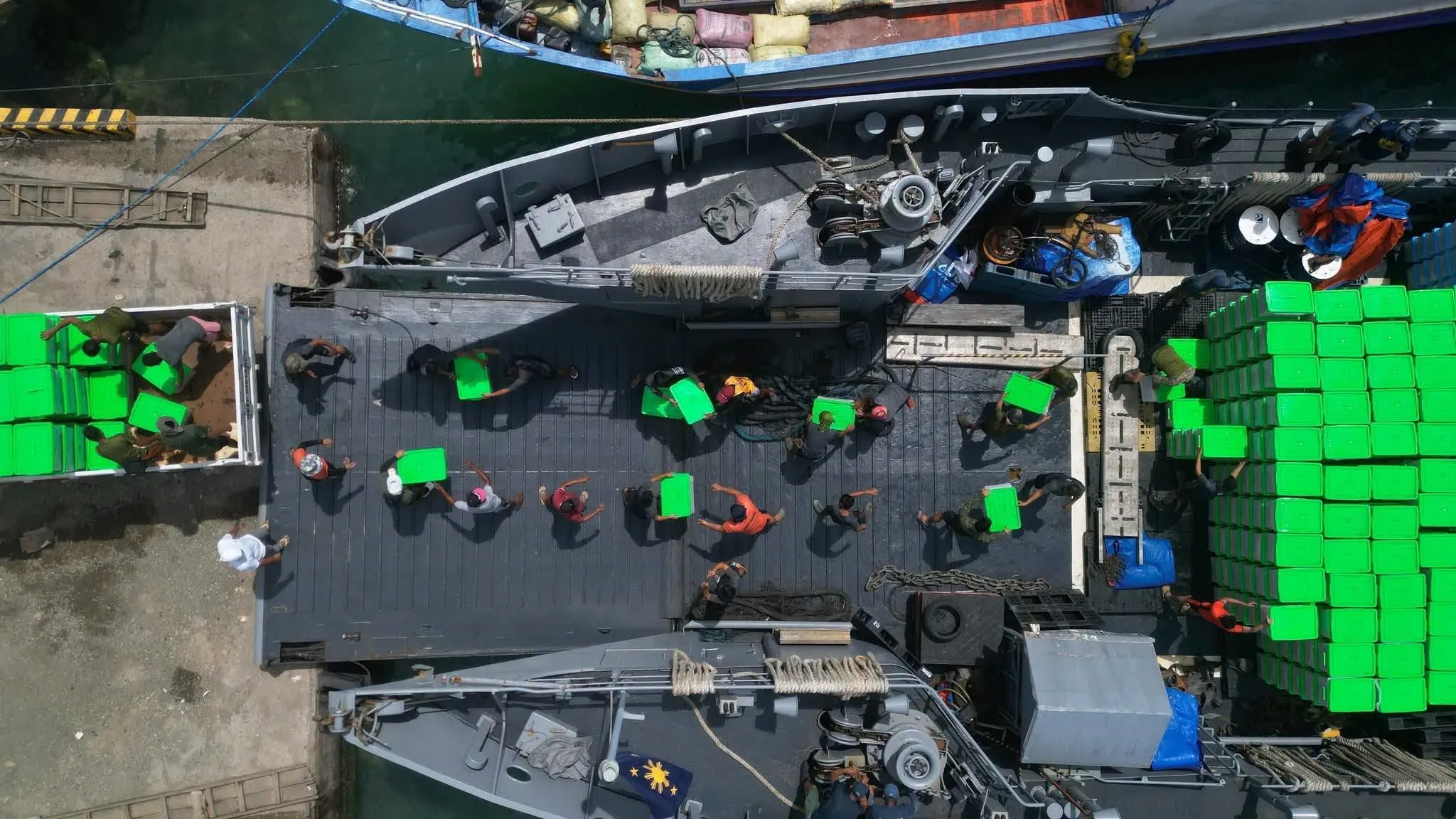
Cebu — As Cebu continues its recovery from recent natural calamities, the Regional Development Council (RDC)-7 has formally requested the national government to expedite the release of over ₱6.6 billion in rehabilitation funds. This call to action was a major point of discussion during the council's 2nd Quarter Full Council meeting, which coincided with Governor Pamela Baricuatro’s first State of the Region Address (SORA) in Danao City. The requested funds are essential for repairing critical infrastructure, including roads, bridges, and government buildings damaged by recent seismic activity and Typhoon Tino. Ensuring these resources reach the province quickly is a top priority for provincial and regional leaders looking to stabilize local communities.
Targeting Infrastructure Restoration
A significant portion of the requested funds—roughly ₱4.5 billion—is specifically earmarked for the Department of Public Works and Highways (DPWH-7) to undertake 148 critical repair projects. These projects are vital to reconnecting isolated municipalities and restoring the functionality of essential public buildings, including schools. While a fraction of this amount has already been released, regional leaders emphasized that the remaining ₱3.6 billion is necessary to complete the recovery phase. The urgency stems from the need to ensure that the province's economic lifelines are fully restored to support local business and commerce.
Supporting Resilient Public Facilities
In addition to road and bridge repairs, the council is lobbying for the Supreme Court to expedite the construction of a disaster-resilient Hall of Justice at the South Road Properties (SRP). The previous facility was displaced years ago, causing significant disruption to the judicial process and creating a bottleneck for legal services. By moving the courts to a new, permanent location, the government hopes to ensure uninterrupted operations even during future emergency situations. This proposed facility represents a shift toward building infrastructure that can withstand the province's vulnerability to extreme weather and seismic events.
Addressing Social and Economic Indicators
Beyond infrastructure, the recovery efforts are also yielding positive results in social sectors, with maternal mortality and child malnutrition rates showing measurable improvements. The region has also been selected as a pilot area for TESDA’s Level 5 Diploma Programs, focusing on advanced manufacturing and semiconductors to boost the workforce. The establishment of a new Artificial Intelligence (AI) Academy further underscores Cebu’s commitment to high-tech growth even while managing disaster recovery. These developments suggest that despite the setbacks caused by natural disasters, the province remains focused on long-term human capital investment and economic transformation.
No people. Cebu map. And something to represent rehabilitation aid