CEBU — As extreme climate cycles continue to reshape agriculture across the Visayas, Cebu's farming communities face an impending period of severe moisture stress. With forecasts pointing toward an intensifying El Niño peak in 2026, agricultural officials are urging a decisive shift toward drought-tolerant crops.
The Risk of High-Water Farming
During a strong El Niño, surface water reserves drop, irrigation canals dry up, and soil moisture levels plummet. Crops like wet-season palay and water-intensive vegetables suffer stunted growth and yield failure under prolonged heat stress. Farmers who continue investing in these crops face devastating financial strain.
Substantial investments in fertilizers, pesticides, and hybrid seeds are lost when dry soils fail to activate nutrients. Smallholders who take out loans for seasonal inputs face crippling debt when heat waves destroy standing crops before harvest. Local supply shortages push up consumer prices while farm-gate revenues vanish.
Root Crops as Underground Reservoirs
Root crops are nature's answer to arid climates. Their extensive underground structures draw moisture from deeper soil strata while storing starches safely below the scorching sun. Cassava possesses deep rooting systems that allow it to enter dormant states during dry spells and resume growth once moisture returns.
Sweet potato efficiently converts minimal water into dense nutrient yields, with short maturity cycles of three to four months. Purple yam, known locally as ube, is highly drought-tolerant once established and provides substantial profit margins due to strong demand from bakeries and food manufacturers.
Legumes for Fast Cycles and Soil Health
Legumes require minimal irrigation and actively enrich soil through nitrogen fixation. Mungbean matures in as few as 60 to 70 days and requires a fraction of the water needed by corn or rice. They can be planted immediately after early harvests to utilize residual soil moisture.
Peanut and cowpea thrive in hot, well-drained soils while reducing weed competition by shading the ground. Pigeon pea, known as kadyos, is exceptionally hardy and capable of penetrating compact dry subsoils. These crops provide both nutritional grain and green manure for subsequent planting seasons.
Climate-Smart Agronomic Practices
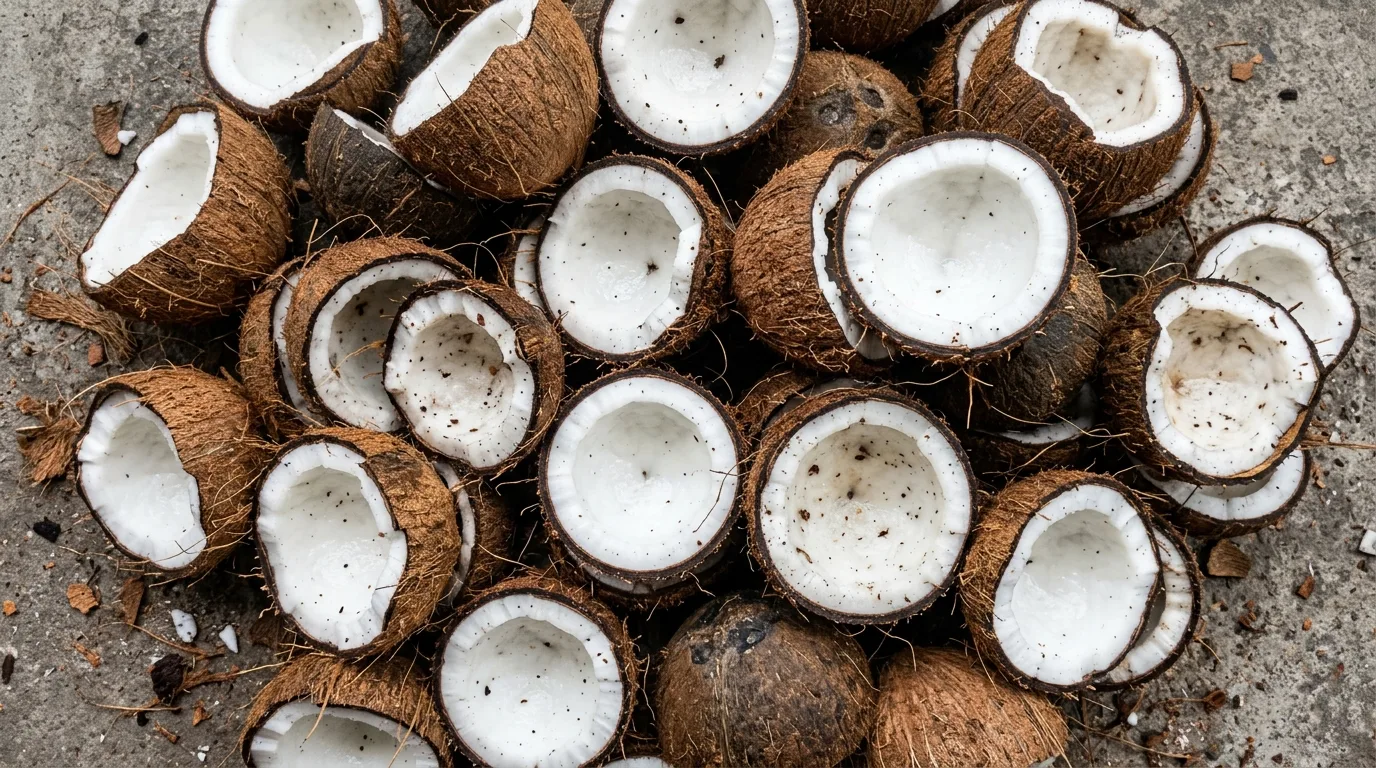
Selecting the right crop is only half the strategy. Pairing resilient varieties with soil and water conservation techniques maximizes survival rates. Organic mulching with dry rice straw or coconut coir reduces soil evaporation by up to 50 percent while suppressing weeds.
Precision drip irrigation releases water directly at the root zone, minimizing runoff compared to overhead spraying. Incorporating compost and well-rotted manure enhances the soil's sponge-like structure, allowing it to hold moisture longer between watering intervals. These practices collectively build farm resilience against prolonged dry spells.
Support Networks for Cebuano Farmers
Local government units and national agencies have activated support initiatives to buffer agricultural communities. Agricultural offices are distributing free drought-tolerant seeds, planting materials, water drums, and small irrigation pump sets to registered cooperatives.
Field technicians are conducting barangay-level seminars on climate-smart techniques and soil moisture conservation. Farmers are strongly urged to enroll with the Philippine Crop Insurance Corporation through their municipal agriculture offices. Financial protection ensures compensation if extreme weather causes damage, allowing replanting for the next cycle.