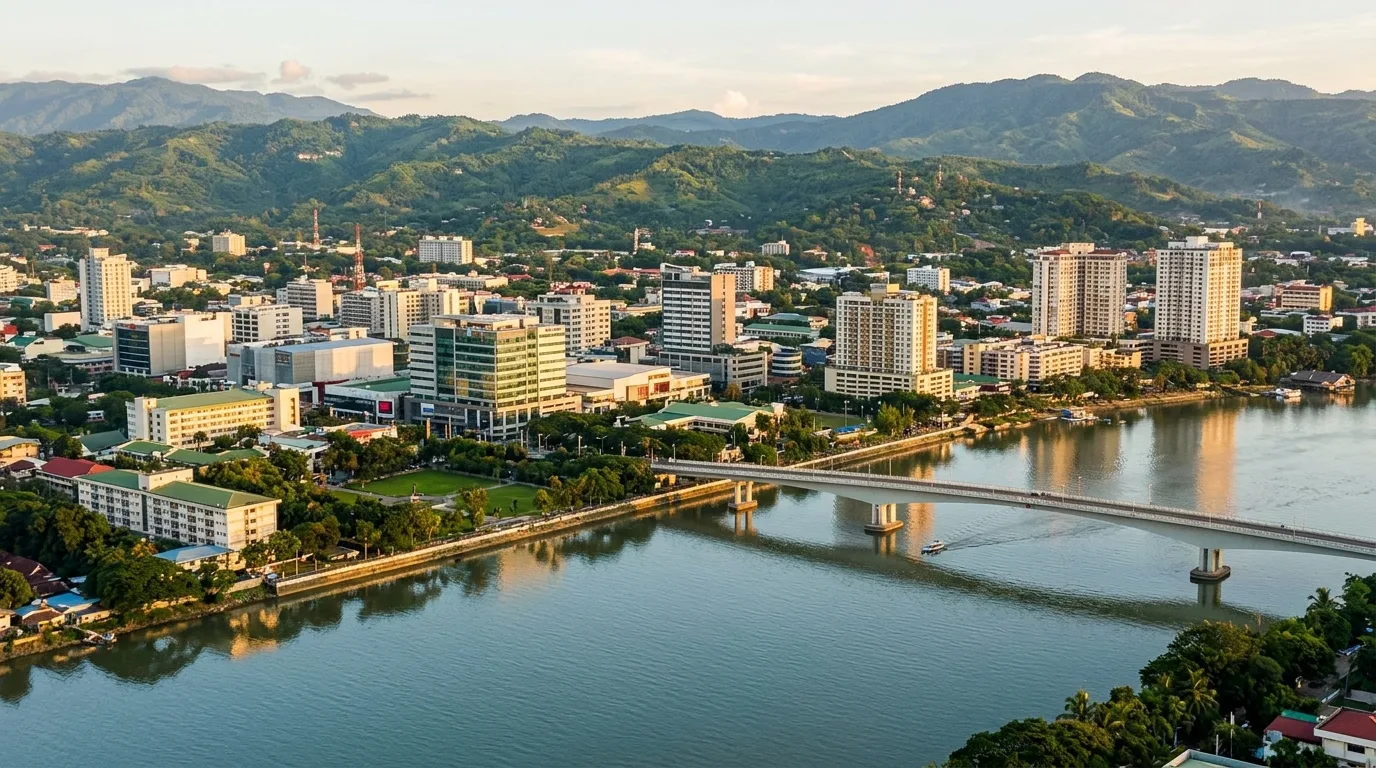
Palawan — The island regularly claims the title of the world's most beautiful island, drawing millions of travelers to its towering limestone cliffs, secret lagoons, and turquoise bays. However, navigating this tropical haven can quickly turn stressful without proper preparation for the unique logistical and environmental challenges of remote island travel. From strict eco-regulations and sudden weather shifts to hidden transport costs and cash shortages, first-time visitors often face unexpected hurdles. Knowing what to watch out for before stepping off the plane ensures your dream tropical getaway remains smooth, safe, and stress-free.
Cash Scarcity and Unreliable Digital Payments
While major hotel chains and upscale restaurants in Puerto Princesa, El Nido, and Coron accept credit cards, the vast majority of local vendors operate strictly on cash. Off-the-grid island-hopping operators, tricycle drivers, street food vendors, and local tour guides rarely accept digital wallets or cards. Furthermore, ATMs in remote hubs like El Nido, Coron, and San Vicente frequently run out of cash or lose network connectivity during peak travel weekends. Travelers should always withdraw sufficient Philippine Pesos at airport hubs or major city banks prior to traveling to remote coastal towns, as detailed in practical travel safety advice on Guide to the Philippines.
Strict Eco-Laws and Single-Use Plastic Bans
Palawan takes its status as the Philippines' ecological frontier extremely seriously, enforcing stringent local ordinances that carry heavy fines for unprepared tourists. Single-use plastic bottles, non-biodegradable bags, and non-reef-safe sunscreens are strictly prohibited on island-hopping tours and within protected marine zones like El Nido's Big Lagoon. Furthermore, municipal authorities strictly enforce ordinances against stepping on living coral reefs, feeding marine life, or taking sand, shells, and rocks as souvenirs. Reviewing local environmental regulations via The Poor Traveler helps visitors avoid hefty fines and ensures their presence supports long-term marine conservation efforts.
Unpredictable Sea Conditions and Unregulated Transport Rates
Navigating between island hubs requires awareness of seasonal maritime weather and local transportation pricing structures. Sudden tropical swells during transition months can lead to last-minute coast guard cancellations of boat tours or inter-island ferries between El Nido and Coron, requiring flexible travel buffers in your itinerary. Additionally, tricycle drivers in tourist centers sometimes charge inflated fares to unsuspecting visitors who do not know the standard municipal rates. Consulting travel logistics platforms like 12Go Asia for fixed-rate land and sea transfers guarantees fair pricing and protects your travel fund from unnecessary surcharges.