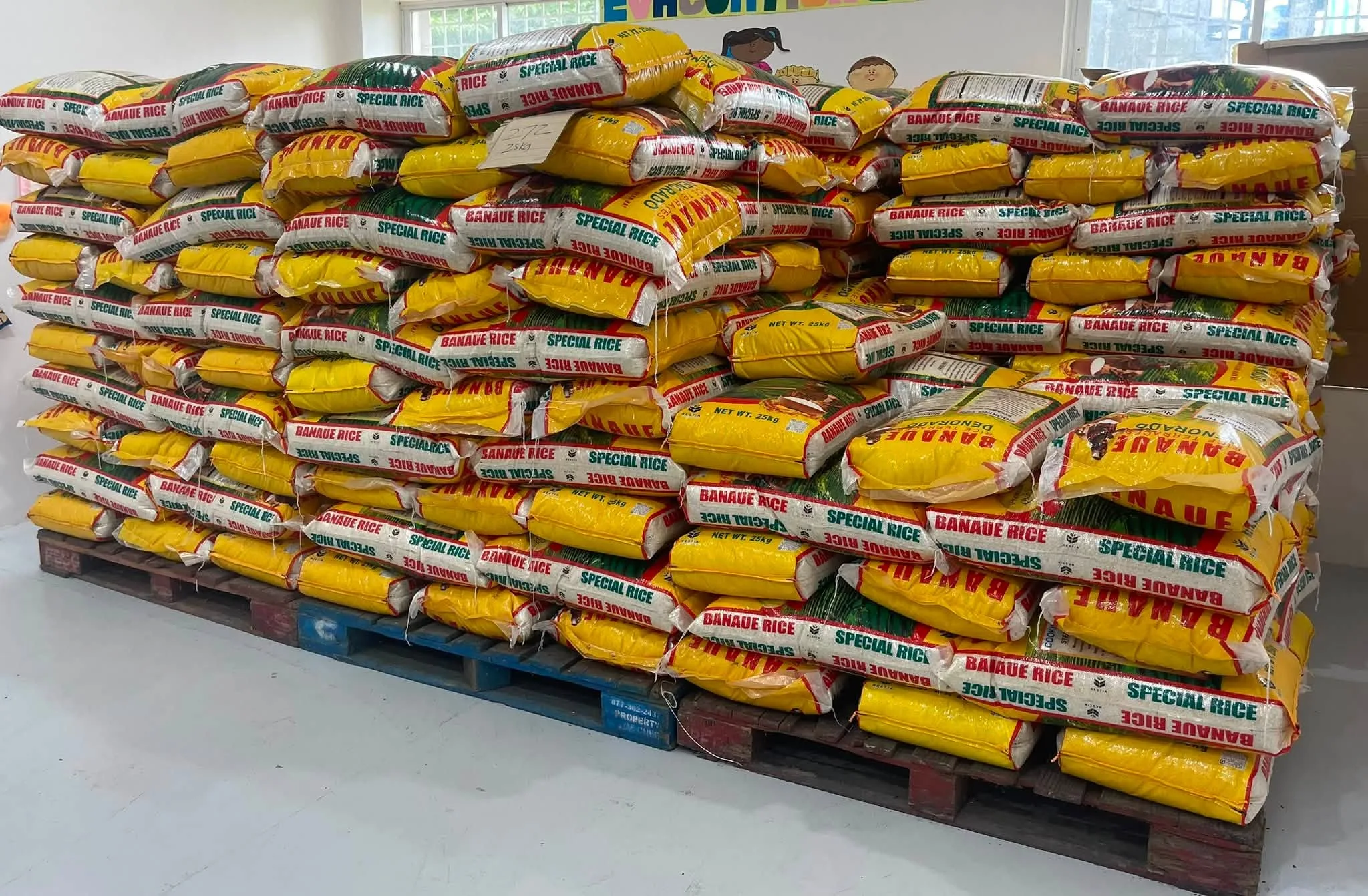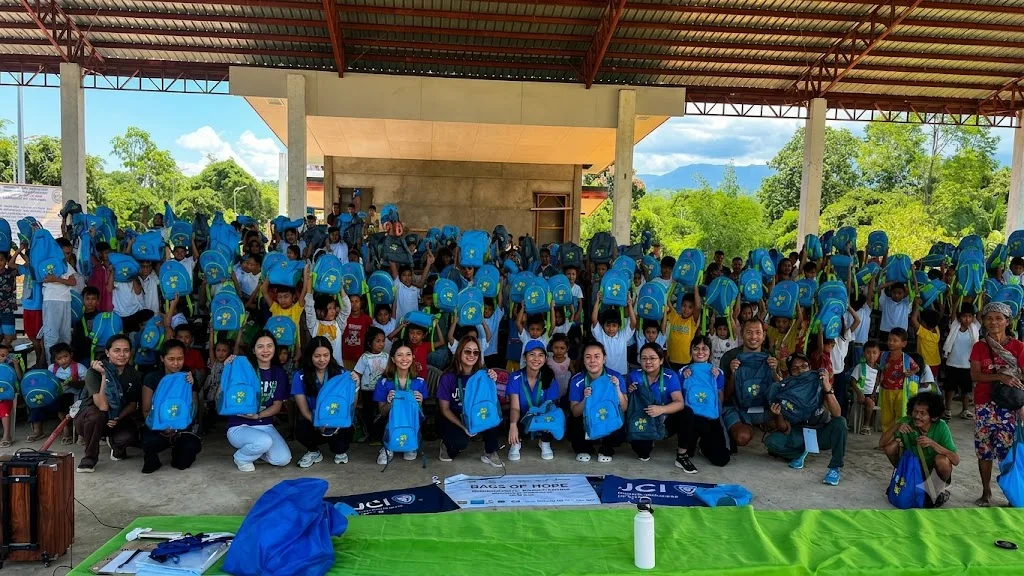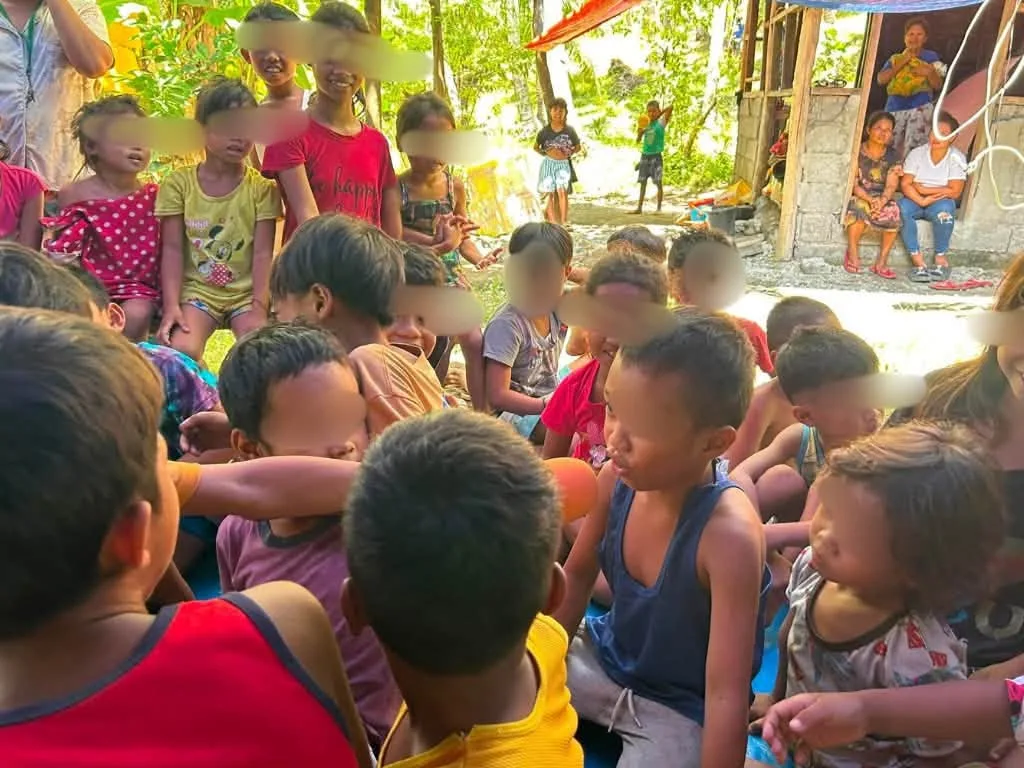
Davao — The Department of Social Welfare and Development (DSWD) has officially rolled out its enhanced Supplementary Feeding Program (SFP) for 2026, marking a significant milestone in the national effort to combat early childhood malnutrition. With a robust budget increase—rising from P5 billion in 2025 to P9.26 billion this year—the agency has extended its feeding cycle from 120 days to a comprehensive 180-day period. This “blanket feeding” initiative ensures that nearly 1.9 million children enrolled in Child Development Centers (CDCs) and Supervised Neighborhood Play (SNP) groups nationwide receive daily nutritious meals, regardless of their current nutritional status.
A Comprehensive Approach to Holistic Growth
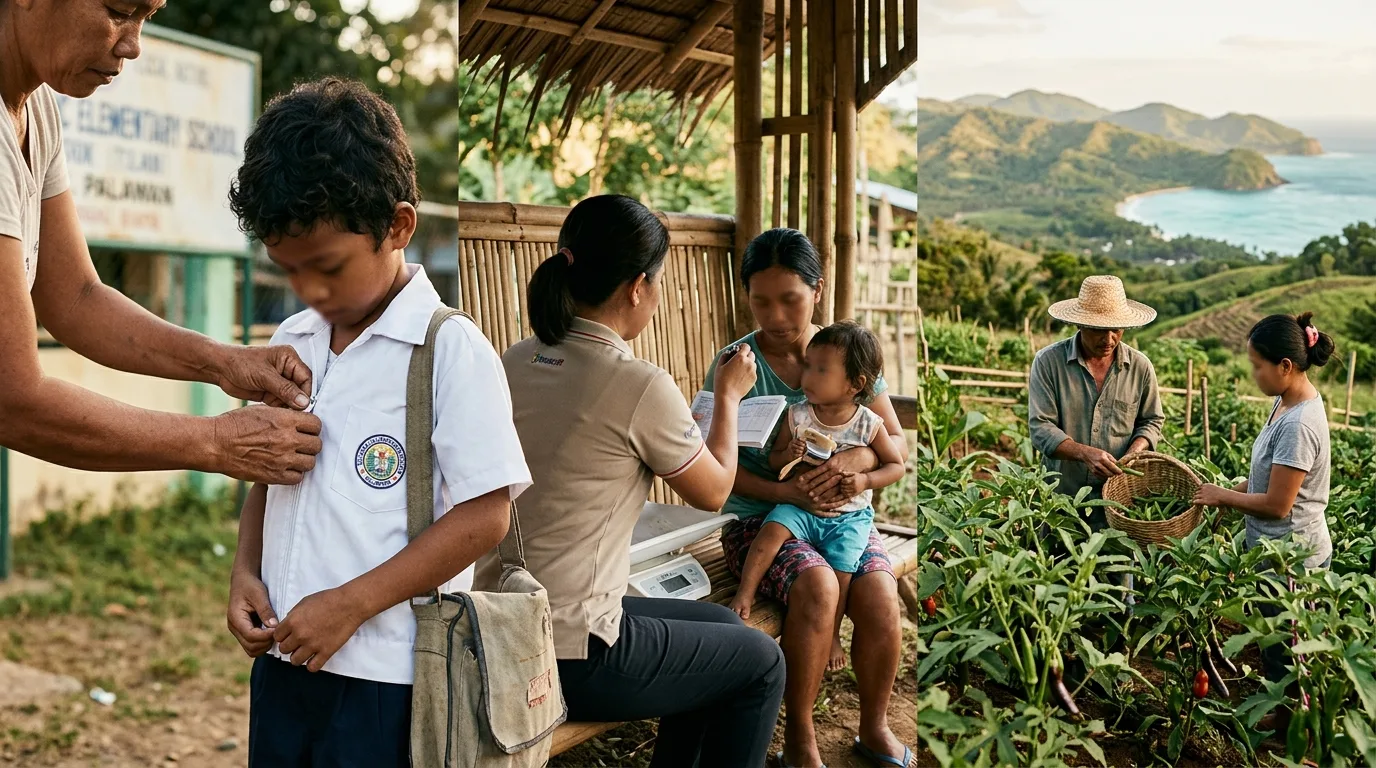
Beyond simply providing hot meals, the expanded SFP is designed to oversee the long-term nutritional well-being and development of children aged two to five. The program integrates essential health interventions, including mandatory deworming and regular anthropometric measurements (tracking height and weight) to effectively monitor and address trends in stunting and wasting. Furthermore, the DSWD is strengthening its support for parents and caregivers through "Parent Effectiveness Sessions," which provide practical education on healthy meal preparation and lifestyle habits to reinforce the program’s impact within the home. This community-based strategy ensures that the gains made during the 180-day cycle are sustained by informed and empowered families.
Empowering Local Communities and Producers
A key feature of the 2026 implementation is the enhanced partnership with local government units (LGUs) to ensure efficient and timely delivery of services. Under the current "Fund Transfer Scheme," program funds are downloaded directly to LGUs, allowing local officials to take the lead in procuring fresh food commodities, often sourced from local community farmers through the Enhanced Partnership Against Hunger and Poverty. This not only guarantees that children receive fresh, locally accessible ingredients that suit their preferences but also provides a vital economic boost to local agricultural producers. By fostering these grassroots connections, the DSWD is creating a more resilient supply chain that prioritizes both child health and local economic stability.