DAVAO CITY — Davao City recorded a 5.7 percent inflation rate in May 2026, easing sharply from April’s 7 percent and securing the slowest price growth in the Davao Region. The Philippine Statistics Authority confirmed the decline in its June 11 report, pointing to cheaper food and transport as the main forces cooling consumer prices.
Cooling Down After April’s Surge
April’s 7 percent inflation had alarmed businesses and households alike, driven largely by global oil spikes from Middle East tensions. By May, those pressures began to subside, allowing Davao City’s inflation to drop by 1.3 percentage points. The correction brought immediate relief to family budgets and transport operators.
The swift deceleration suggests the local economy can absorb external shocks better than nearby provinces. While April’s surge was unavoidable, the rapid retreat signals that the city’s supply chains and market structures are resilient. Consumers are now seeing more stable prices at the grocery and the pump.
Food and Transport Costs Lead the Decline
The PSA attributed Davao City’s cooler inflation to three categories. Food and non‑alcoholic beverages eased to 5.5 percent from 7.8 percent in April, reflecting improved supply conditions and possibly softer commodity prices. Transport costs dropped even more dramatically, from 18.6 percent to 14.5 percent, as local pump prices began a modest correction.
Alcoholic beverages and tobacco also dipped slightly to 3.3 percent. Despite these improvements, food and alcoholic beverages still accounted for 36.8 percent of the city’s inflation, followed by transport at 25.1 percent and housing, water, electricity, gas, and other fuels at 22.2 percent. These weights highlight where consumers feel price pressures most.
Davao City’s Edge as a Trade and Logistics Hub
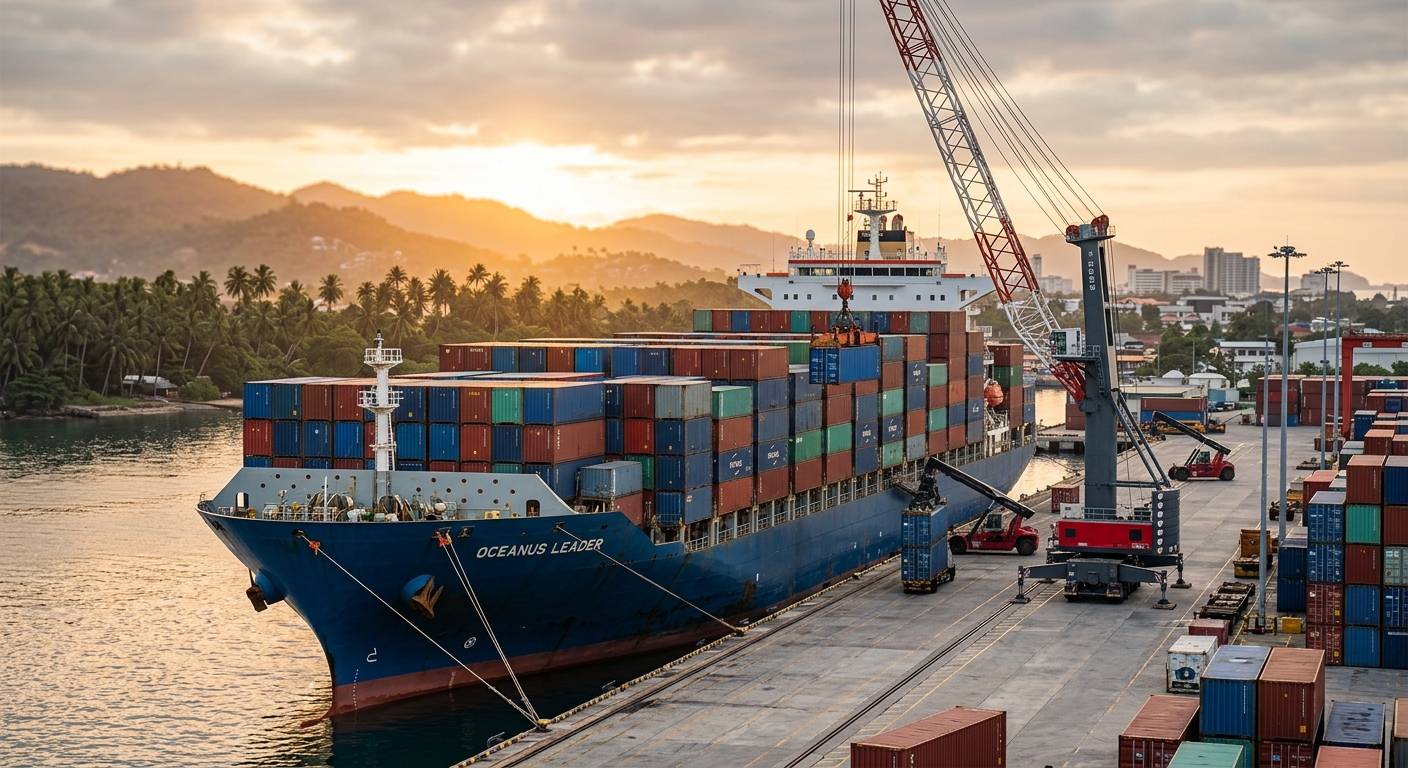
Economic analysts note that Davao City’s role as Mindanao’s primary commercial and wholesale center gives it unique insulation. Direct access to major ports and a diversified business base prevent severe supply bottlenecks that plague more remote areas. When global markets fluctuate, the city’s large‑scale wholesale markets can absorb shocks more effectively.
This logistical advantage translates into steadier prices for basic goods. Neighboring provinces, reliant on longer and thinner supply chains, often see amplified volatility. Davao City’s ability to maintain lower inflation even as the entire region cools underscores its function as an economic anchor for Southern Mindanao.
Wide Disparities Across the Davao Region
While Davao City kept inflation at 5.7 percent, the broader region averaged 7.8 percent, down from 8.9 percent in April. Davao del Norte came closest at 8.3 percent, while Davao de Oro posted the region’s highest at 11.5 percent. Davao Occidental and Davao Oriental also endured double‑digit rates of 11.2 and 10.5 percent respectively.
These stark contrasts reveal a two‑speed recovery. Urban centers with robust infrastructure are managing price stability far better than agricultural and coastal provinces. The data emphasizes the need for targeted interventions that strengthen rural supply chains and transport links to narrow the inflation gap.
Aligning with National Trends
Davao City’s inflation path mirrors the national picture. The country’s headline inflation slowed to 6.8 percent in May from April’s 7.2 percent, confirming that the April price spike was temporary. As global oil markets stabilize further, analysts expect continued easing, which would benefit both businesses and consumers across the archipelago.
The convergence of local and national trends reinforces confidence that inflation is on a downward trajectory. For Davao City, maintaining its status as the region’s most price‑competitive economy hinges on preserving its logistical strengths and continuing to attract investment that keeps goods affordable.