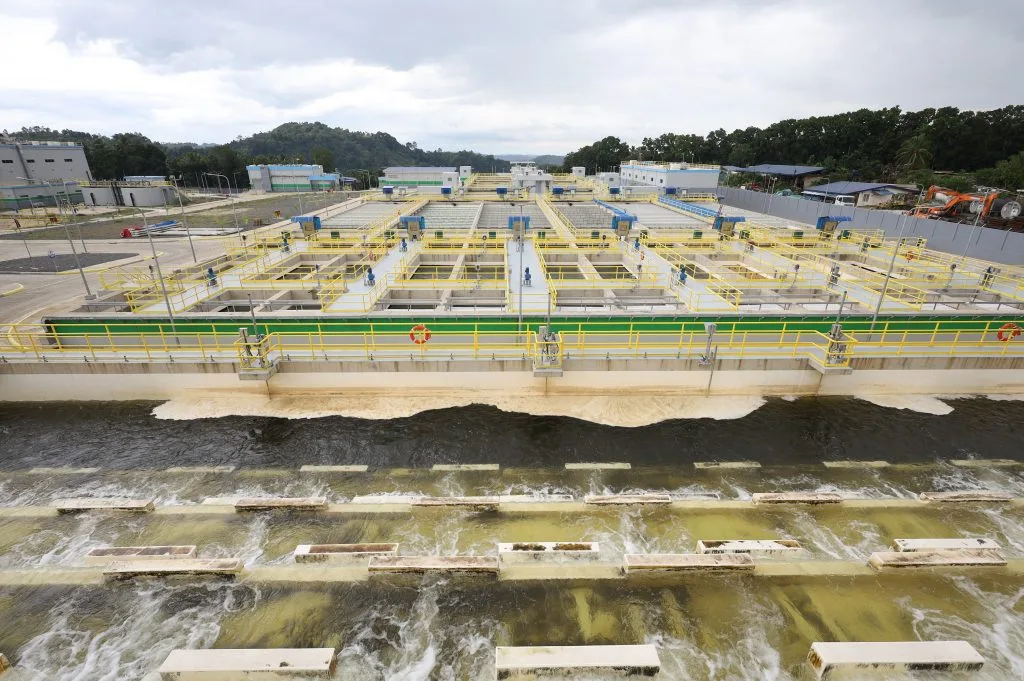
DAVAO CITY — The Davao City Bulk Water Supply Project is helping the city and its residents prepare for a strong El Niño by diversifying water sources. The P13.3-billion facility, undertaken through a public-private partnership between Davao City Water District and Apo Agua Infrastructura, utilizes the Tamugan River in Calinan District.
A Strategic Shift from Groundwater Dependence
The bulk water facility represents a fundamental change in how Davao City sources its water. Once wholly reliant on underground aquifers, the city now draws from both surface and groundwater sources. This diversification strengthens supply resilience during prolonged dry conditions such as El Niño.
DCWD spokesperson Jovana Cresta Duhaylungsod emphasized the timeliness of the project. She noted that the surface water source began operating in 2024, allowing the city to use it alongside groundwater sources. This conjunctive approach has become the primary strategy for meeting El Niño challenges.
How the Dual-Source System Works
The system prioritizes surface water distribution while maintaining groundwater as a reserve. If El Niño impacts either source, the other can augment whatever supply is lacking. This redundancy ensures that customers continue receiving uninterrupted water service even during extreme weather.
Monitoring data shows groundwater remains unaffected because it sits 150 to 200 meters below the surface. Surface water has experienced reduced river flow, but levels have not reached critical thresholds. The lowest recorded flow occurred in April, with the facility still producing 233,000 cubic liters of water.
Managing Supply Fluctuations
The bulk water project has a committed volume of 300,000 cubic liters daily. The 70,000-cubic-liter reduction recorded in April was easily augmented by groundwater reserves. Duhaylungsod described this as the beauty of conjunctive use, where surface water takes priority and groundwater fills the gap.
The facility also enables DCWD to recharge and rest underground aquifers, avoiding over-extraction of this precious resource. This sustainable approach protects the long-term viability of groundwater sources while meeting current demand. It represents a balanced strategy for urban water security.
Infrastructure Milestones and Innovations
The bulk water facility began operations on December 1, 2023, and was inaugurated on February 7, 2024, with President Ferdinand R. Marcos Jr. gracing the ceremony. It is currently the largest private bulk water supply facility in the Philippines.
The infrastructure includes a two-megawatt hydropower plant, making its water-energy nexus system the first of its kind in Southeast Asia. This integration of water supply and renewable energy generation demonstrates innovation in urban infrastructure. It sets a benchmark for other Philippine cities facing similar water security challenges.
Conservation Remains Essential
Despite having two water sources, Duhaylungsod urged consumers to conserve water during El Niño. She noted that more intense dry conditions are expected in coming months. Conservation habits at the household level complement the infrastructure investments made by the city and its partners.
Simple practices like fixing leaks, reusing graywater, and limiting outdoor water use can significantly reduce demand. When combined with robust supply systems, these habits ensure that Davao City remains water-secure throughout the dry season. Every drop saved contributes to collective resilience.