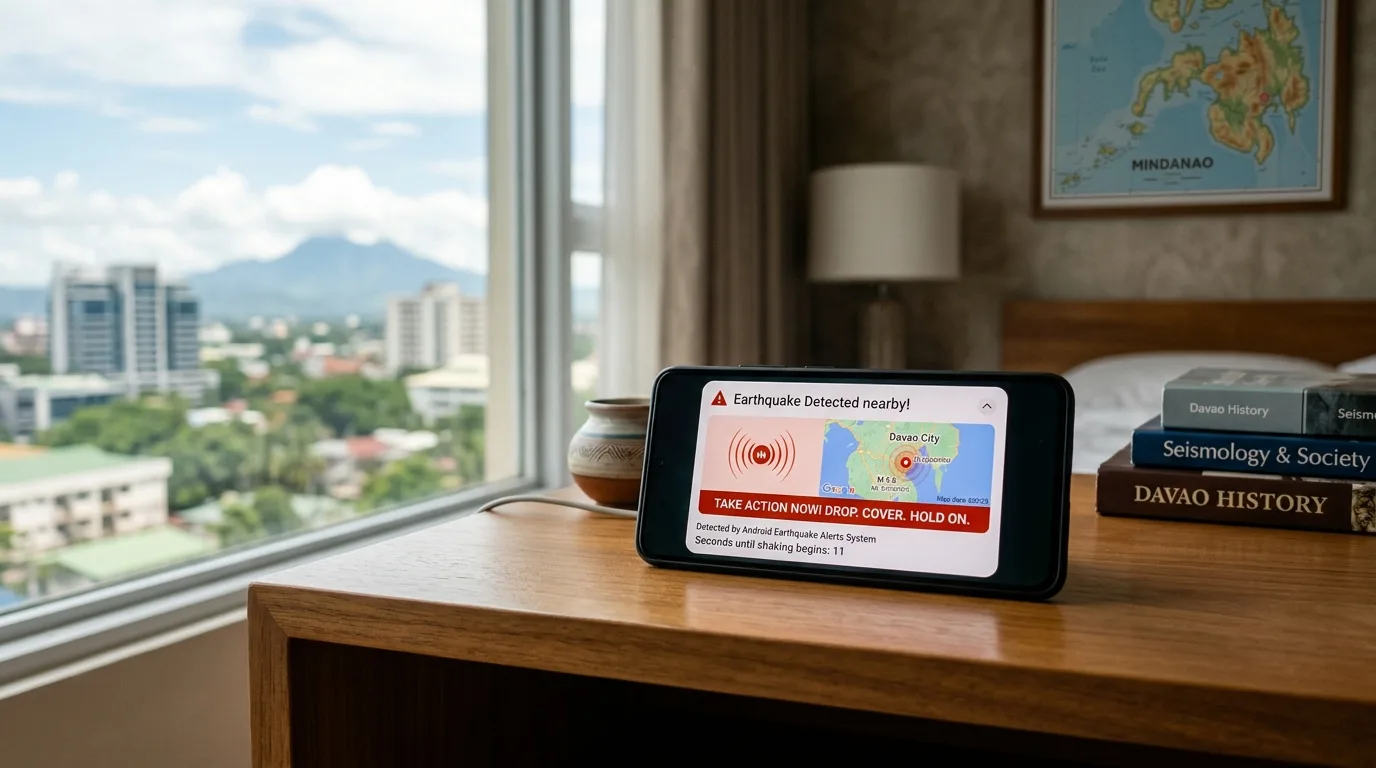
Davao — In a significant leap for public safety, the Philippine Institute of Volcanology and Seismology (PHIVOLCS) has highlighted how modern Android smartphones are functioning as a massive, citizen-powered network of "mini-seismometers." This technology, integrated directly into the Android operating system, allows millions of devices to detect ground shaking in real time and push life-saving alerts to users seconds before a tremor reaches their area. By transforming everyday smartphones into a distributed seismic detection grid, this innovation is providing crucial extra seconds for residents to "drop, cover, and hold on."
How Your Phone Becomes a Seismometer
The system functions by utilizing the sensitive accelerometers already built into Android smartphones. When a device is stationary, it can detect the faint, fast-moving primary waves (P-waves) that travel from the epicenter of an earthquake before the more destructive secondary waves (S-waves) arrive. When thousands of phones in the same vicinity simultaneously register these vibrations, the data is anonymized and sent to Google’s servers. The system then rapidly confirms the earthquake's magnitude and location and pushes out localized alerts to other Android devices in the path of the shaking, effectively creating a high-speed "digital siren" that operates faster than seismic waves travel through the Earth's crust.
Important Limitations and Expert Guidance
While this technology is a game-changer for disaster response, PHIVOLCS officials, including Edward Louise Orquillas of the Mindanao Cluster Monitoring Center, emphasize that it is not a replacement for professional scientific instruments. Smartphones are not designed to be precise seismographs, and the system cannot "predict" earthquakes in the traditional sense—it merely detects shaking as it happens and alerts those further away. Furthermore, for the system to work, phones must be stationary; data from devices being carried or moved is ignored to prevent false alarms. PHIVOLCS maintains that dedicated, underground-installed seismographs remain the gold standard for measuring seismic intensity and depth, and they continue to operate 128 monitoring stations nationwide to provide the definitive data used for tsunami warnings and official earthquake reporting.
Building a Culture of Earthquake Readiness
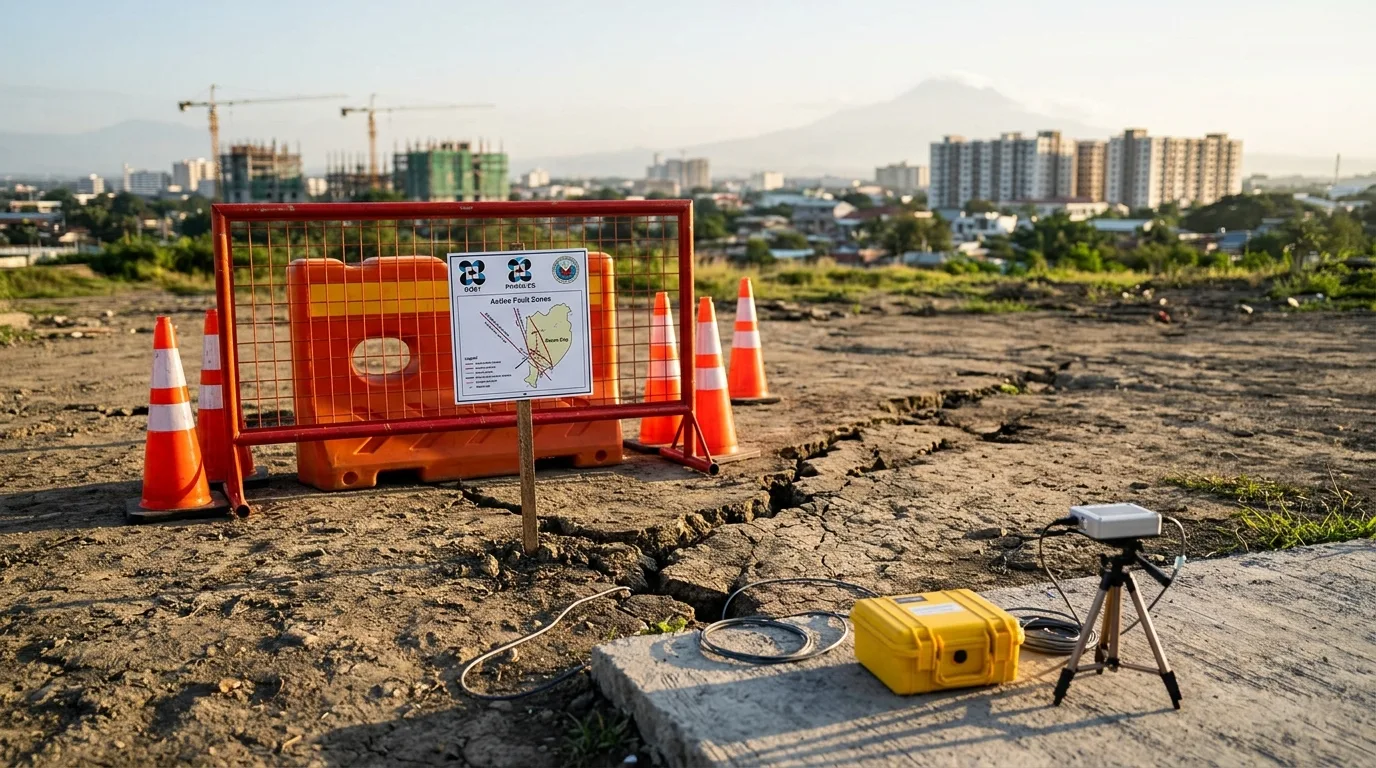
The integration of this alert system is just one part of a larger push to improve earthquake resilience in high-risk areas like Davao City, which recently identified 18 active faults in the region. PHIVOLCS encourages residents to keep their location services and earthquake alerts enabled in their phone settings, as this ensures they receive the most accurate and timely information possible. Alongside this digital tool, the agency continues to stress the importance of community-level disaster drills and structural integrity assessments for buildings and schools. By combining the rapid warnings of the Android Earthquake Alerts System with the traditional disaster-preparedness protocols championed by PHIVOLCS, the Philippines is creating a more resilient "whole-of-society" approach to navigating the dangers of our seismically active landscape.