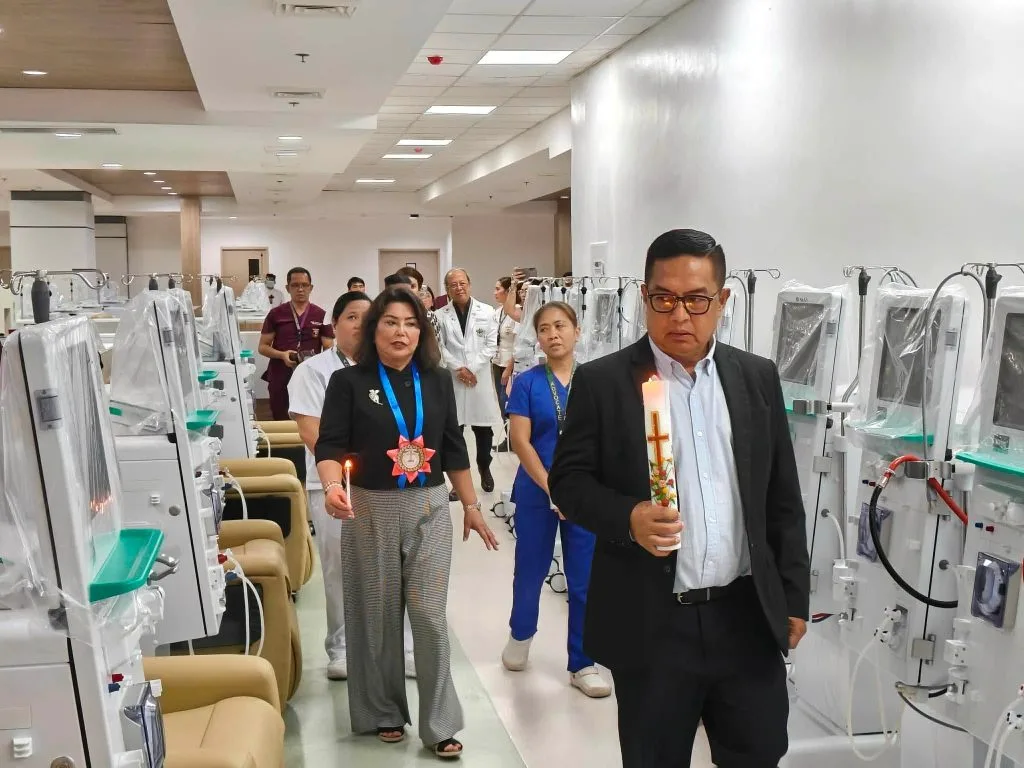
DAVAO CITY — The Southern Philippines Medical Center formally inaugurated its Kidney and Transplant Institute on July 1, 2026, unveiling a Renal Dialysis Unit equipped with 133 machines. The facility now stands as the largest of its kind in the region, promising to transform kidney care for thousands of patients across Mindanao.
A Lifeline for End‑Stage Kidney Patients
Medical Center Chief Dr. Ricardo Audan called the occasion a triumph of vision and perseverance. He acknowledged that kidney disease remains one of the most challenging health problems for Filipino families, describing dialysis as far more than a clinical routine. For patients whose kidneys have failed, he said, each session is a genuine lifeline.
The 133 machines symbolize a deliberate choice to bring life‑saving technology closer to communities that previously had to travel far for treatment. Dr. Audan stressed that the institute reflects SPMC’s resolve to make essential healthcare more accessible, more efficient, and more compassionate for the people it serves.
Advanced Technology Goes Beyond Conventional Dialysis
Of the total machines, 40 percent are online Hemodiafiltration units that provide superior toxin clearance. This advanced modality benefits patients with concurrent heart failure and high phosphorus levels, offering cardiovascular advantages that standard dialysis cannot match. Three additional machines are Continuous Renal Replacement Therapy‑ready, capable of delivering uninterrupted 24‑hour dialysis inside intensive care units.
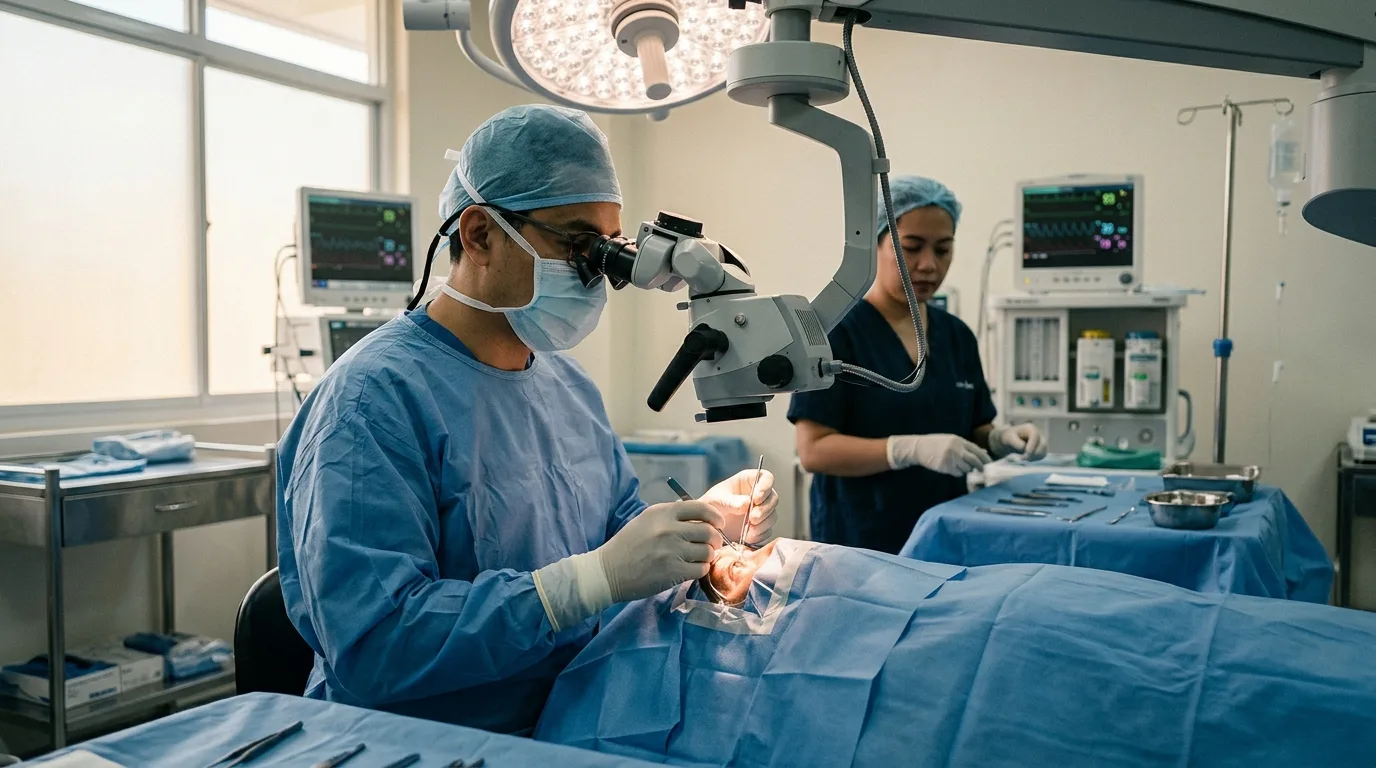
The institute also houses a Da Vinci robotic surgery system, making SPMC the first Department of Health‑run hospital in the country to acquire the technology. The dual‑console setup allows one surgeon to perform minimally invasive procedures while a second console trains specialists. This equipment, funded through hospital revenue, drastically reduces surgical blood loss and recovery time.
Integrated Services Eliminate the Need to Travel North
The five‑storey, ₱1‑billion building centralizes prevention, diagnosis, dialysis, transplantation, and multidisciplinary care under one roof. A newly operational immunobiology laboratory now performs donor‑recipient tissue typing and cross‑matching on‑site. Previously, these critical tests had to be shipped to the National Kidney and Transplant Institute in Quezon City, adding weeks of delay and heavy financial strain.
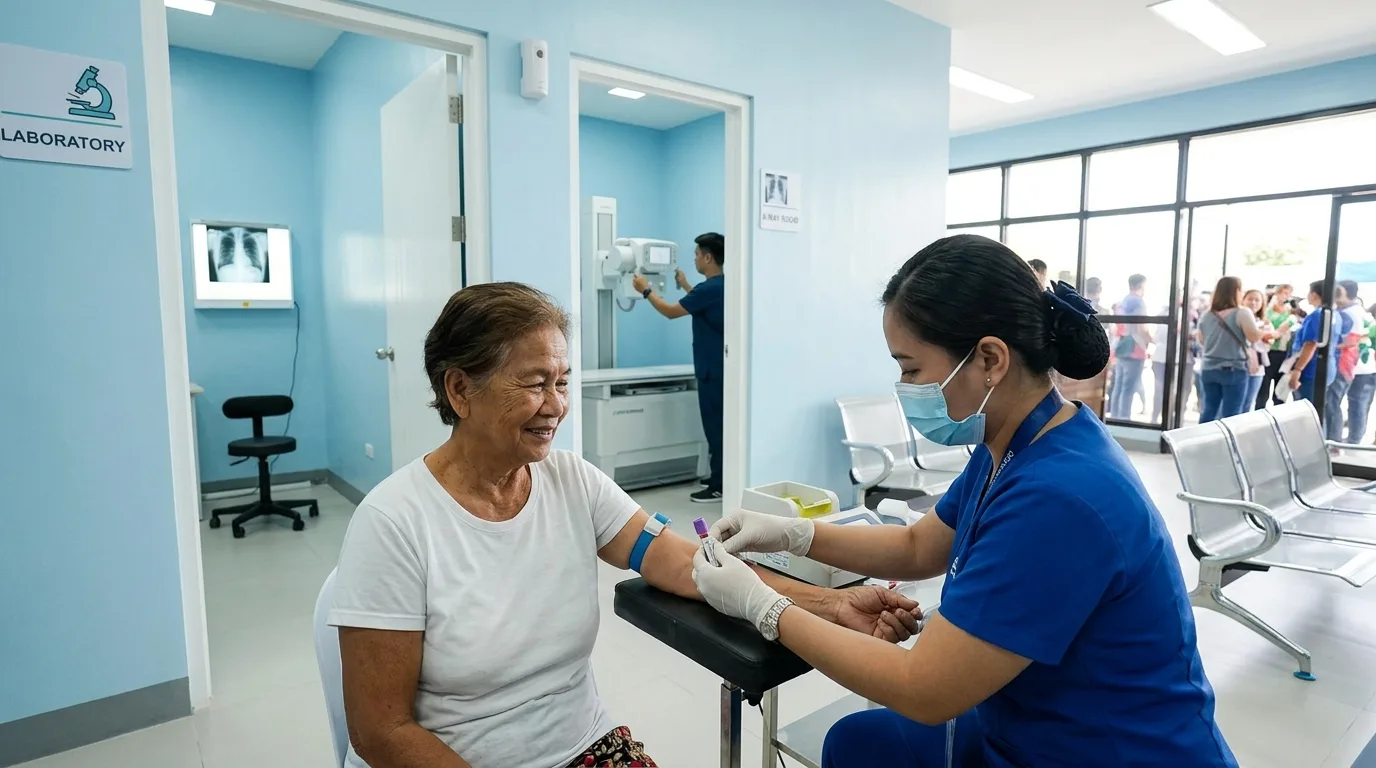
Beyond the dialysis floor, patients now access a full‑service pharmacy, laboratory, billing and cashier offices, and a mezzanine waiting area. Inpatient dialysis units are ready to accommodate those requiring prolonged hospital stays. This complete ecosystem means a patient can receive diagnosis, laboratory workup, dialysis, and transplant surgery without ever leaving the complex.
Soft Opening Paves the Way for Full Operations
A soft opening in June activated the pay and charity wards, intensive care unit, and operating room. The institute has since begun accepting ambulatory urology and vascular surgeries, kidney biopsies, peritoneal dialysis, and pulse therapy for glomerulonephritis. Staff are completing final licensing requirements with the Department of Health while orienting incoming patients from across Mindanao.
Dr. Audan noted that the facility will also serve as a premier training ground. Curricula in adult nephrology, pediatric nephrology, and specialized renal nursing will equip the next generation of healthcare professionals. This educational component ensures that the institute’s impact extends far beyond its physical walls.
A Presidential Mandate Becomes Reality
The opening directly fulfills President Ferdinand R. Marcos Jr.’s directive to decentralize quality tertiary healthcare and bring it to the regions. Louie Puracan, president of the Davao Kidney Transplant Association and a kidney transplant recipient himself, said the institute offers immense economic and logistical relief. Patients who once faced grueling travel to Manila can now receive world‑class care minutes from home.