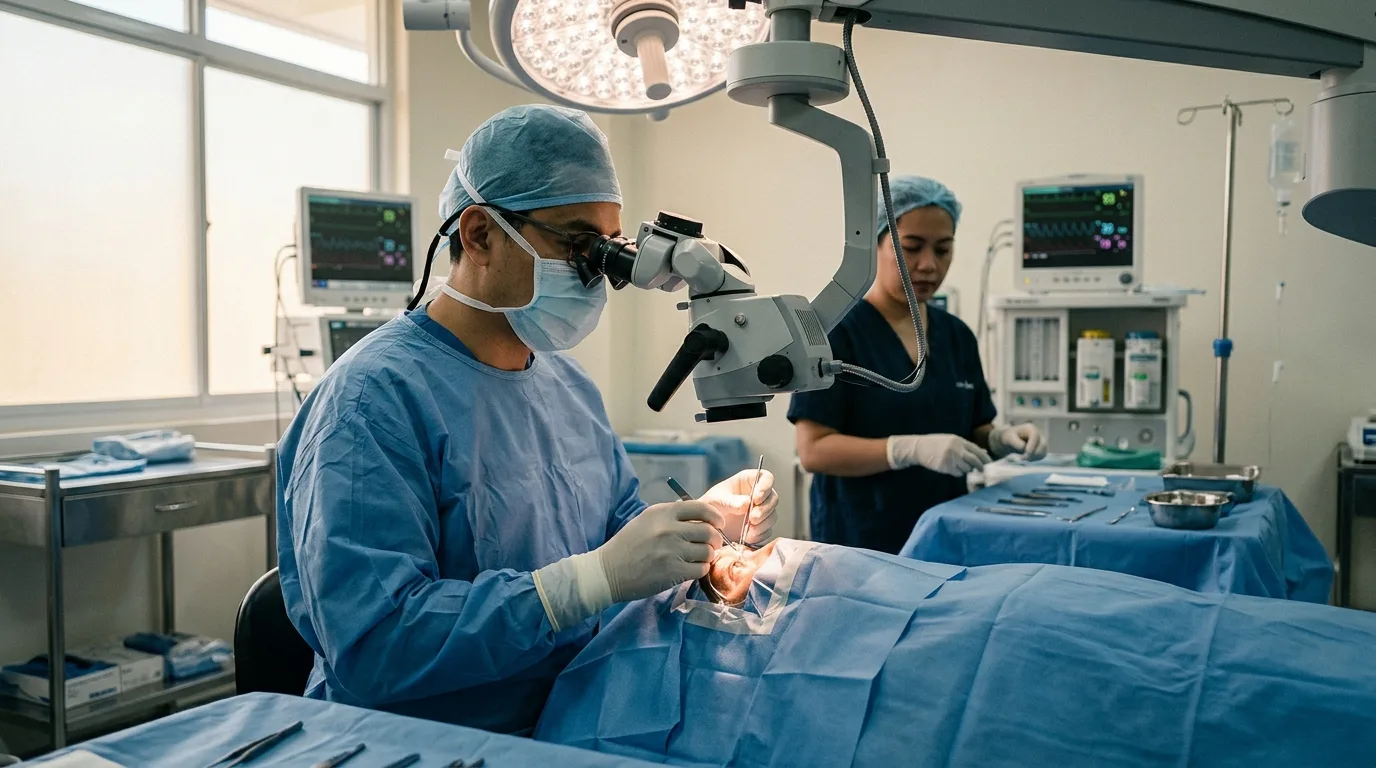
Corneal blindness affects millions worldwide, but a cornea transplant offers a proven path to restored vision. The procedure involves replacing damaged corneal tissue with healthy donor tissue, often improving vision, reducing pain, and enhancing the appearance of the eye . In the Philippines, a severe shortage of donor corneas creates long waitlists. Dr. Andrew Angeles of Jose B. Lingad Memorial General Hospital (JBLMGH) recently led the institution's first successful cornea harvest and transplant and is urging public awareness to address this critical shortage.
The Breakthrough: JBLMGH's First Successful Cornea Harvest and Transplant
Dr. Andrew Angeles, a cornea specialist with a fellowship from the Doheny Eye Institute and a graduate of Angeles University Foundation, spearheaded the groundbreaking procedure at JBLMGH . The successful harvest was processed in collaboration with the Sta. Lucia International Eye Bank, which certified the tissue as viable, demonstrating the potential for a single donor to restore sight to multiple individuals. This milestone represents a significant step for government hospitals in the Philippines. The Eye Bank Foundation has been working since 1995 to increase donations, and this recent success showcases how partnerships can help address the backlog.
The Urgent Need: A Nationwide Call for Cornea Donors
The shortage of donor corneal tissue is a pressing issue globally, particularly in developing countries where limited infrastructure and cultural barriers curb donations . In the Philippines, the current opt-in system requires individuals to actively declare their consent, and experts have suggested that transitioning to an opt-out system—supported by appropriate legislation and public education—could significantly increase donation rates . Dr. Angeles personally has 20 patients waiting for corneal tissue, underscoring the critical need. Corneal disease is the fourth leading cause of blindness worldwide, and addressing this shortage requires collaborative efforts between healthcare professionals, policymakers, and communities to implement effective prevention strategies and expand eye banking services.