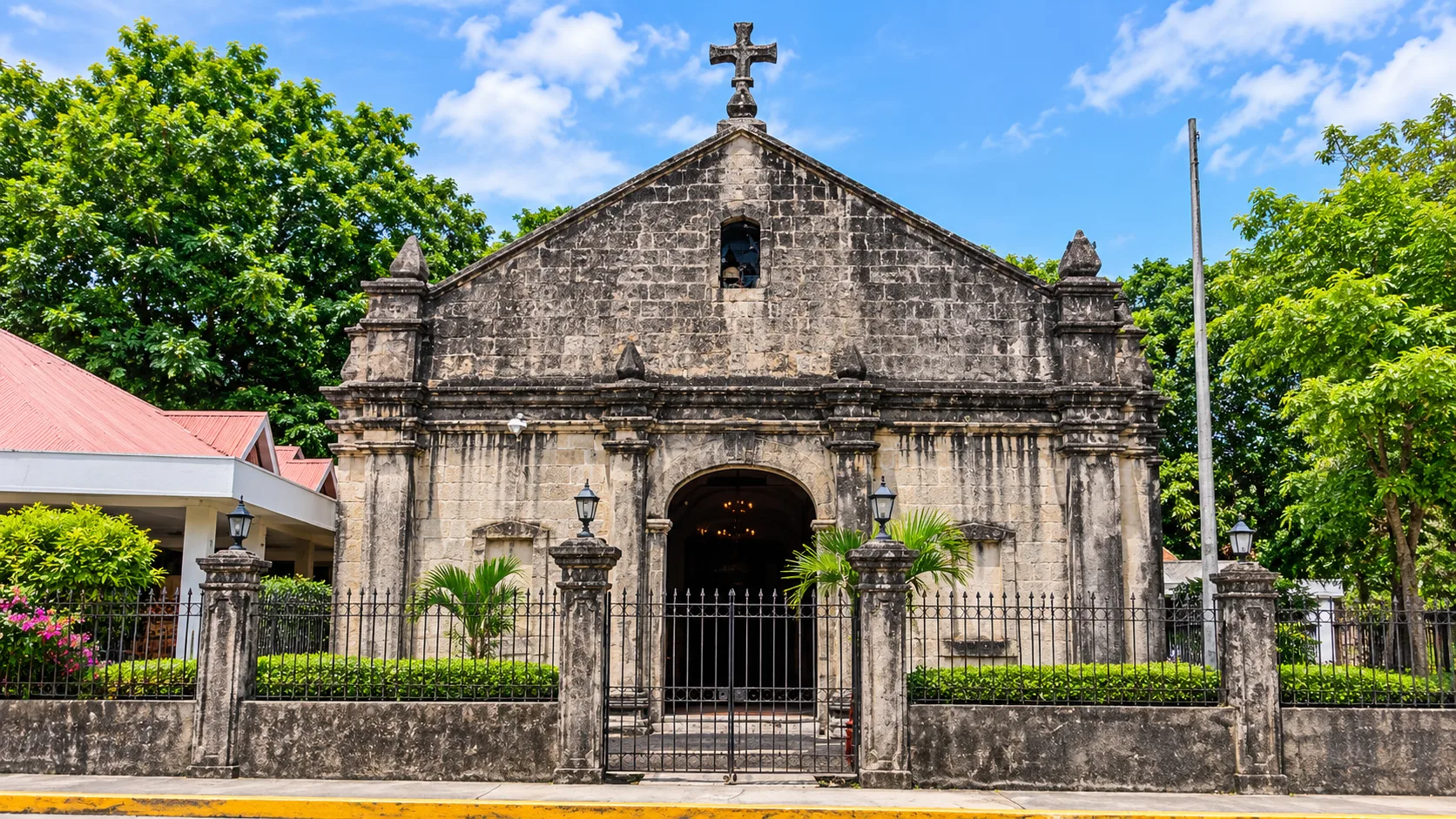
Taguig City continues to preserve its rich cultural and religious heritage through historic landmarks that reflect the city's past and the faith of its communities. One notable site is the Ermita de San Nicolas de Tolentino, located along J.P. Rizal Extension in Barangay West Rembo. Standing as a reminder of generations of religious devotion and community life, the historic chapel remains an important part of Taguig's cultural identity.
A Historic Landmark Rooted in Faith
The Ermita de San Nicolas de Tolentino is among Taguig City's historic religious sites, carrying a legacy that connects the present generation with the city's past. According to the historical information shared by the Tourism and Trade Office, the chapel dates back to 1686, when it was established under the care of religious figures connected to the Augustinian community. Its early history reflects the important role of religious institutions in shaping local communities during earlier centuries.
Preserving Generations of Religious Heritage
Throughout the years, the chapel has witnessed changes in the community while remaining a symbol of faith and devotion. Its historic structure represents the religious traditions and cultural influences that helped shape Taguig. Landmarks like the Ermita de San Nicolas de Tolentino also serve as reminders of the importance of protecting heritage sites so future generations can appreciate the stories, traditions, and history behind them.
Keeping Taguig’s History Alive
Beyond its religious significance, the Ermita de San Nicolas de Tolentino represents a valuable part of Taguig's local identity. Its presence in Barangay West Rembo highlights the city's historical landmarks beyond its modern developments and urban attractions. Through heritage awareness and preservation efforts, Taguig continues to encourage residents and visitors to discover the stories behind its historic places and appreciate the cultural legacy that has endured through generations.