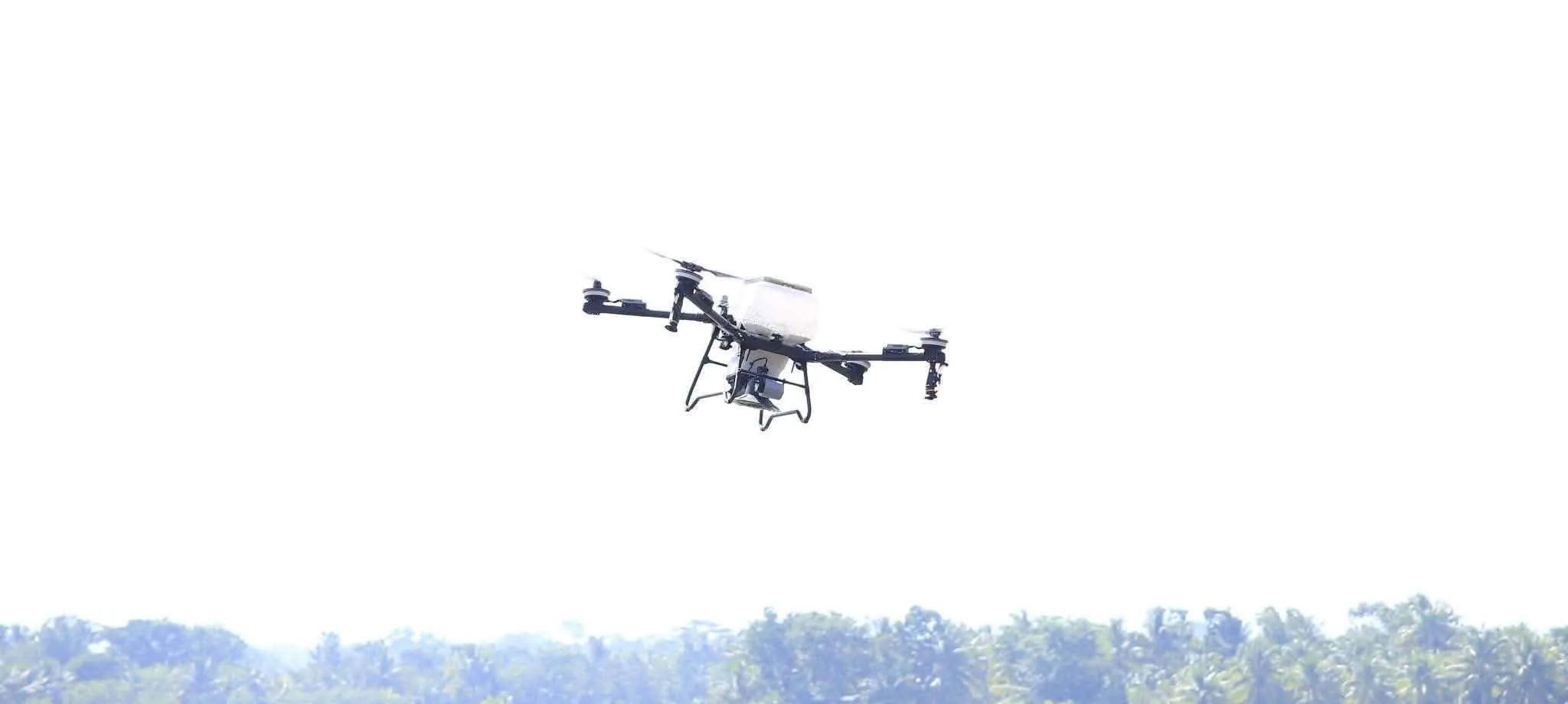
MONTEVISTA, Davao de Oro — The skies above Barangay Linoan hummed with a new kind of activity on July 16, 2026, as drone technology officially took flight over the province’s rice fields. The launch of the Drone for Rice Project Demonstration under the PalaySikatan 2.0 program signals not just a leap in farming efficiency but a fresh invitation for travelers to witness modern agriculture in action.
A High-Tech Launch in Montevista
The Provincial TESDA Training Center in Barangay Linoan hosted the formal launch, where agricultural drones demonstrated their ability to seed, fertilize, and spray crops with precision. The Department of Agriculture selected Davao de Oro as a pilot area, allocating 1,500 hectares across the province for drone-assisted rice production. A 50‑hectare plot in Linoan now serves as the primary demonstration site, offering a glimpse into the future of farming.
The initiative directly supports President Ferdinand Marcos Jr.’s directive to modernize Philippine agriculture and strengthen food security. By replacing manual labor with unmanned aerial vehicles, the program aims to increase yields while cutting costs. For visitors, the sight of drones sweeping low over emerald paddies creates a striking contrast between tradition and innovation.
How Drones Are Revolutionizing Rice Farming
Each drone handles four critical tasks that once consumed days of back‑breaking work. Direct seeding scatters pre‑germinated seeds evenly across flooded fields in under an hour. Fertilizer and soil conditioners are broadcast uniformly from the air, preventing waste and ensuring healthy crop growth.
Precision pesticide spraying uses atomized nozzles to target pests with minimal chemical use, reducing both environmental impact and farmer exposure. The technology relies on software that maps fields and controls flight paths, guaranteeing synchronized application. The result is a faster, cleaner, and safer production cycle.
From Farms to Tourist Trails
Rice paddies are among the most photogenic landscapes in the Philippines, and drone-assisted fields add a futuristic layer to their charm. Agri‑tourism advocates see the program as a new draw, allowing visitors to observe drone operations, learn about sustainable farming, and sample locally grown rice varieties. Educational tours can now include a stop at the demonstration site, where the fusion of tradition and technology becomes a living classroom.
The program also strengthens the farm‑to‑table movement in the region. As yields become more reliable, local restaurants and food festivals can showcase Davao de Oro’s produce with greater consistency. Travelers seeking authentic culinary experiences will find a deeper connection to the source of their meals.
Empowering Farmers, Securing Food for Visitors
Farmers participating in the project receive comprehensive production assistance, including drone services for seeding, fertilizing, and spraying. This reduces labor costs and frees up time for other livelihood activities. A more stable and productive farming sector directly benefits the tourism industry by ensuring a steady supply of fresh ingredients for hotels, eateries, and community markets.
Davao de Oro’s commitment to agricultural modernization aligns with its broader goal of sustainable rural development. As farmers become more prosperous, they are better positioned to engage in agri‑tourism ventures, offering farm stays, harvest experiences, and cooking classes. The drone program becomes the first step in a longer value chain that connects field to fork.
A New Attraction for Eco‑Tourists
Eco‑conscious travelers are increasingly drawn to destinations that embrace sustainable practices. Drone technology reduces chemical runoff, optimizes water use, and lessens the carbon footprint of traditional farming. Visitors who prioritize responsible tourism will find Davao de Oro’s drone‑powered paddies an inspiring example of green innovation.
Beyond the technology, the province offers lush highlands, waterfalls, and indigenous cultural experiences that complement the agri‑tourism narrative. The drone launch adds another layer to the region’s appeal, positioning it as a forward‑thinking destination where nature and innovation coexist. For the curious traveler, the invitation is clear: come watch the drones dance over the rice fields and taste the future of Philippine agriculture.