Look for Natural-Fiber Craftsmanship
BACOLOD - Woven crafts can be made from a variety of plant-based fibers, including pandan, buri, nito, tikog, and other materials traditionally used in Philippine handicrafts. Depending on the maker and community, these fibers can be transformed into baskets, placemats, storage containers, bags, and decorative objects. The differences in texture, color, weave, and finishing can make each handmade piece slightly different from another. When shopping in Bacolod, travelers should ask whether an item was actually made in Negros Occidental rather than assuming that every woven product sold in a souvenir shop is locally produced. That small question can help ensure that the purchase supports the local craft tradition the traveler is hoping to discover.
Woven Bags Are Easy to Use After the Trip
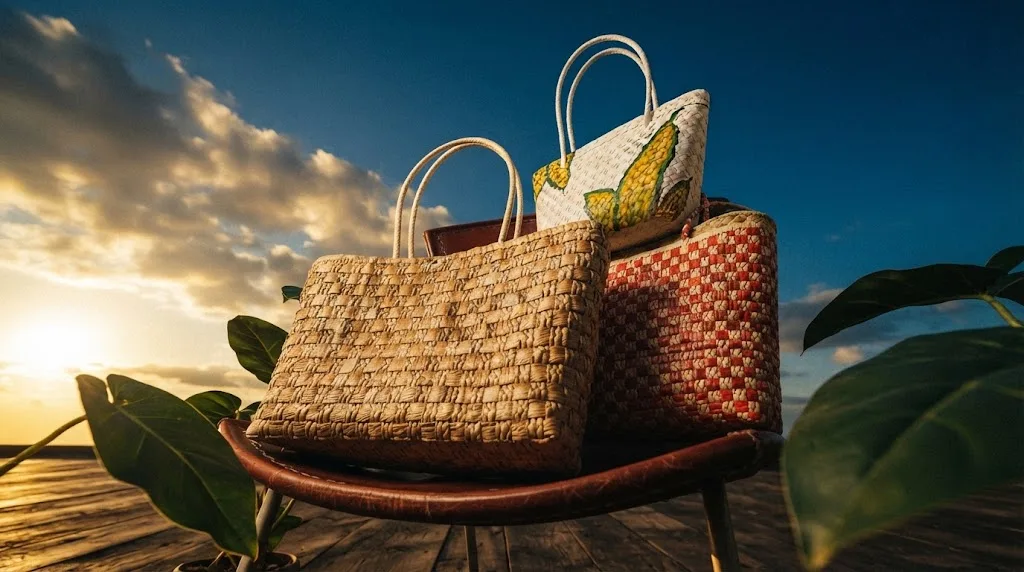
Among the most practical woven souvenirs are handwoven bags and baskets. A sturdy woven bag can be used for shopping, carrying personal items, or even as part of everyday clothing and accessories, while baskets can become useful storage pieces at home. Handmade products can also show small variations in the weave and shape, which is part of their appeal rather than a flaw. Before purchasing, check the stitching, handles, edges, and overall construction to make sure the item is suitable for how you intend to use it. Choosing something practical means the souvenir does not simply sit on a shelf—it becomes a reminder of Bacolod through everyday use.
Buy From Makers When You Can
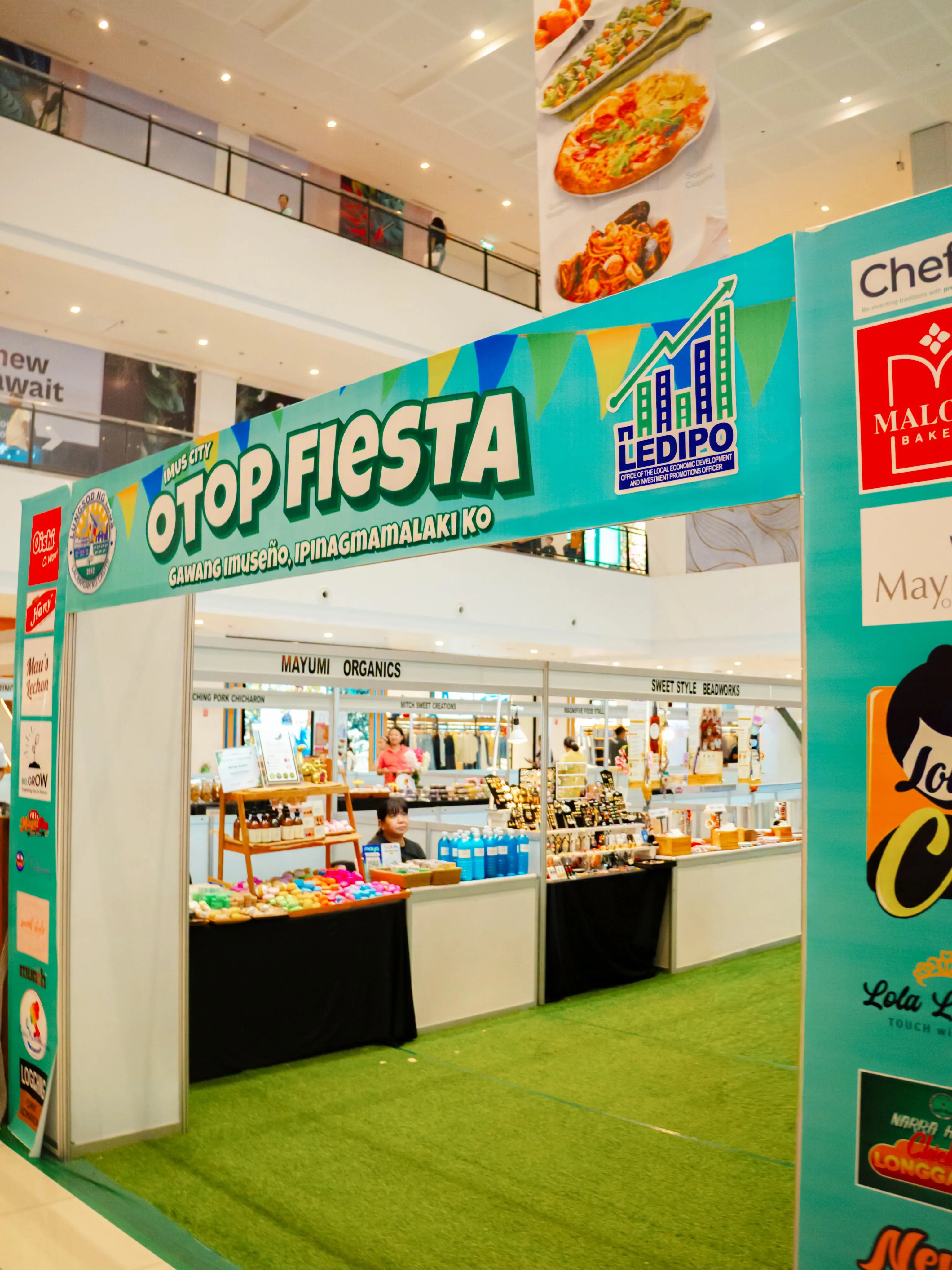
The most meaningful woven souvenir is one where you can learn something about the person or community behind the craft. Ask sellers where the product was made, what material was used, and whether the item came directly from a local artisan or cooperative. The Department of Trade and Industry supports programs for micro, small, and medium enterprises and local products, while cultural organizations such as the National Commission for Culture and the Arts document traditional Philippine crafts and weaving practices. Buying directly from artisans, cooperatives, craft fairs, or established local-product outlets can make it easier to trace the product's origin. In the end, a woven basket or bag becomes more than a decorative souvenir when you know the hands and tradition behind it.