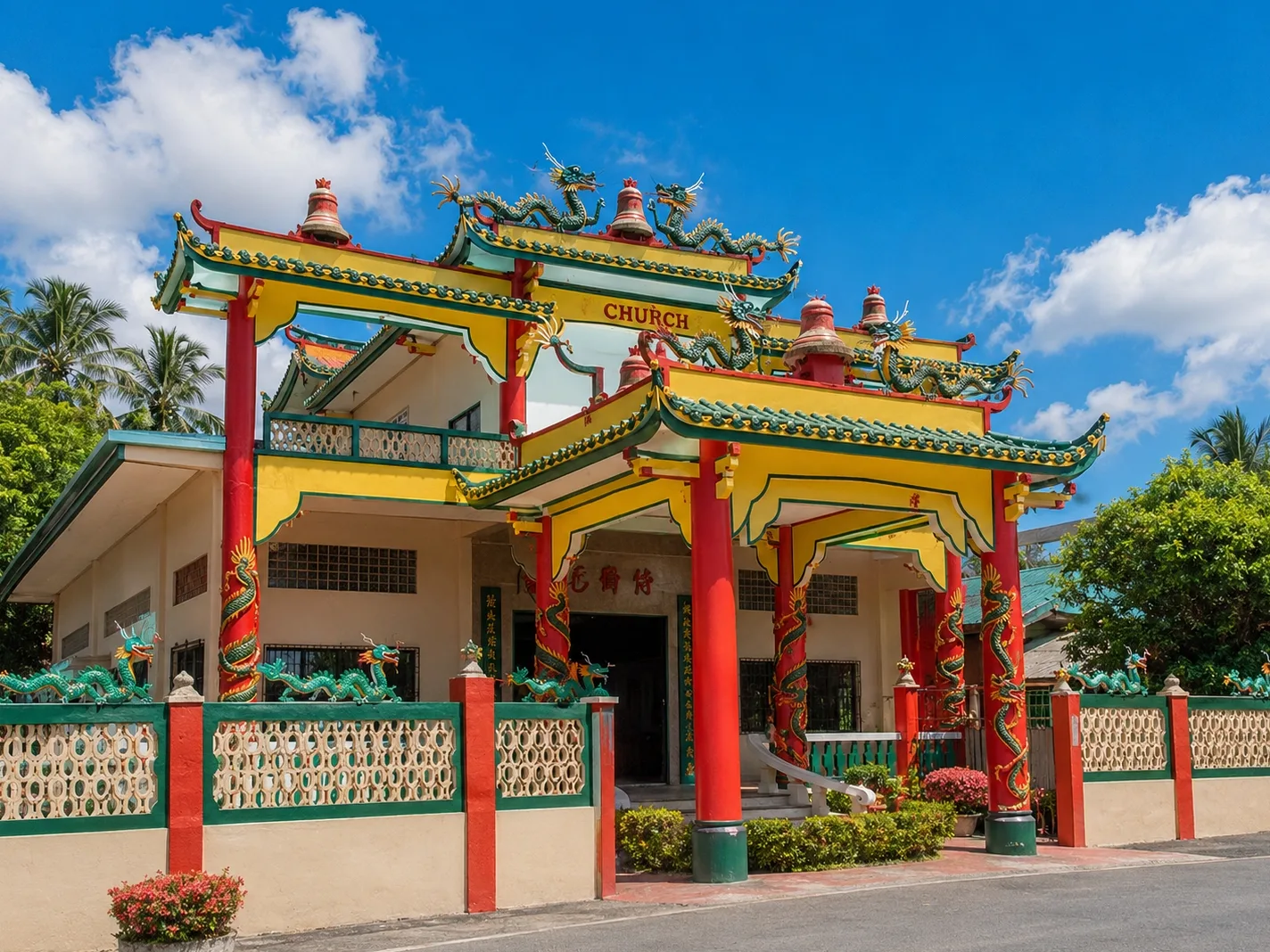
Dumaguete City is known for its rich cultural heritage, historical landmarks, and diverse communities that have contributed to its development over the years. Among its most distinctive attractions is the Chinese Bell Church a religious and cultural landmark that reflects the influence of the Chinese-Filipino community in the city. Established in the 1940s, the church is recognized for its unique blend of Chinese architectural elements, Buddhist-inspired symbols, and Christian religious traditions. Through its historical and cultural significance, the Chinese Bell Church plays an important role in preserving Chinese-Filipino heritage tourism in Dumaguete City.
Promoting Chinese-Filipino Heritage Tourism
Heritage tourism involves visiting places that preserve and showcase the historical, cultural, and social identity of communities. The Chinese Bell Church contributes to this form of tourism by highlighting the longstanding presence and contributions of the Chinese-Filipino community in Dumaguete. Visitors gain valuable insights into the cultural diversity that has shaped the city's history and development.
Preserving Cultural Identity
The church serves as an important symbol of cultural preservation. Its architecture incorporates traditional Chinese design elements such as pagoda-style structures, ornamental details, and symbolic decorations that distinguish it from conventional church buildings. These features help preserve cultural traditions while educating visitors about the unique heritage of Chinese-Filipino communities in the Philippines.
Showcasing Architectural Heritage
One of the church's most notable attractions is its distinctive architectural style, which combines Eastern and Western influences. The structure demonstrates how different cultural traditions can coexist and complement one another. Visitors interested in architecture, history, and cultural studies often appreciate the church as an example of multicultural design and heritage preservation.