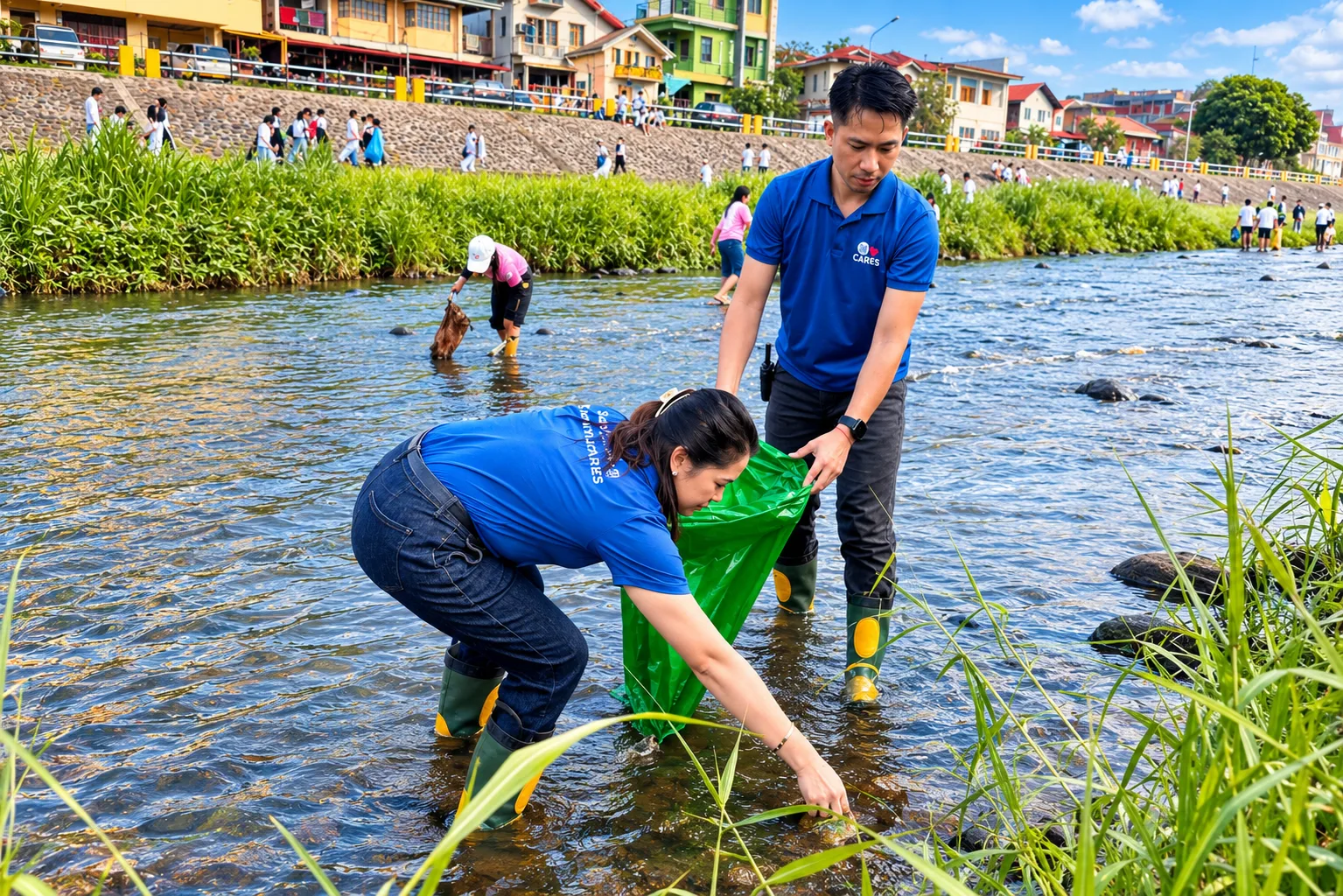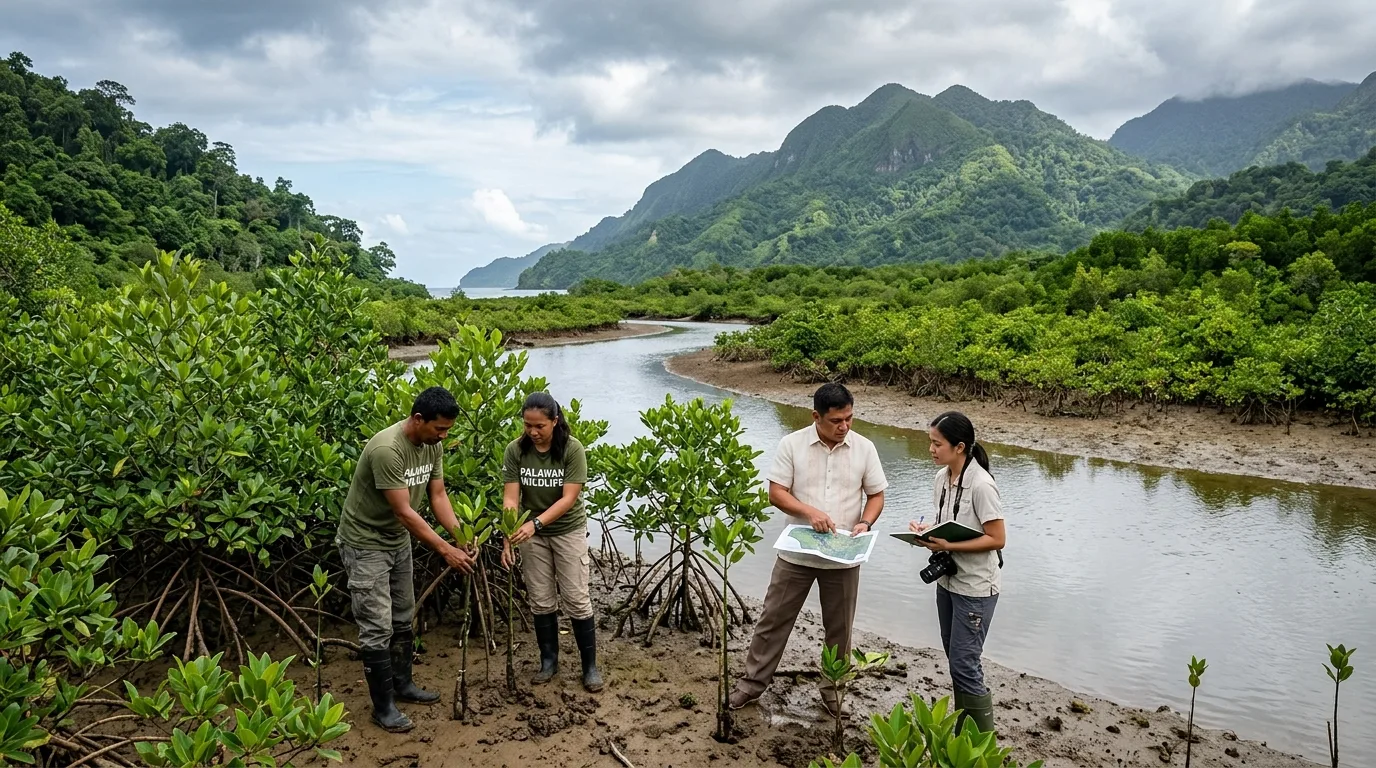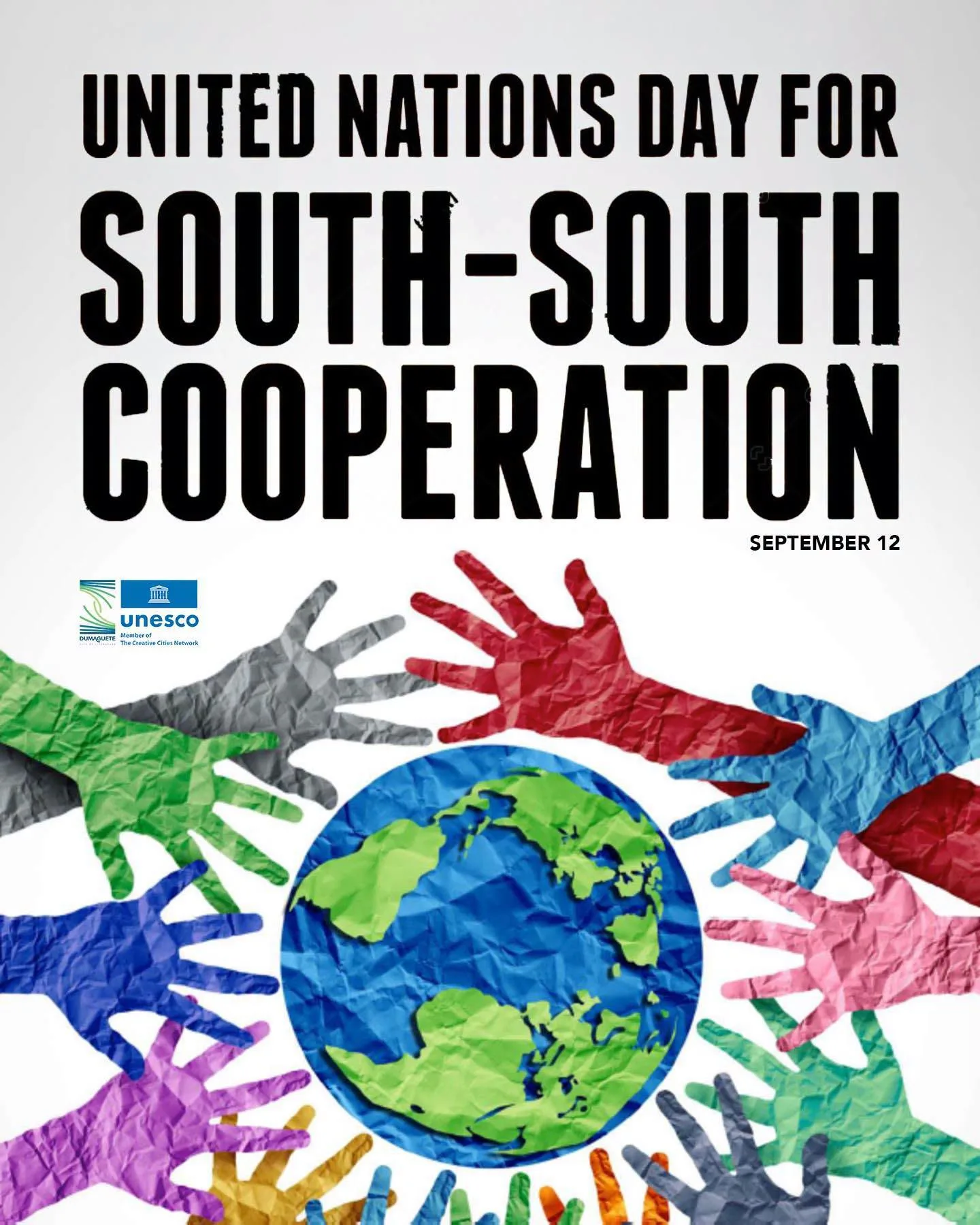
Every September 12, the world observes the United Nations Day for South-South Cooperation, recognizing the importance of collaboration, shared knowledge, and mutual support among developing countries. The observance highlights how nations in the Global South can work together to address common challenges, strengthen national and collective self-reliance, and contribute to global development. It also emphasizes the value of exchanging practical solutions in areas such as healthcare, education, food security, technology, climate action, and sustainable development.
Celebrating Cooperation Among Developing Countries
South-South cooperation refers to partnerships among countries of the Global South that involve the exchange of knowledge, skills, resources, technology, and successful practices.
Rather than relying on one country or region to provide all the solutions, this approach encourages nations to learn from one another. Countries facing similar challenges can share experiences and develop strategies that are more responsive to their communities’ needs.
Sharing Knowledge for Sustainable Development
The United Nations recognizes South-South cooperation as an important way to support the achievement of the Sustainable Development Goals and the 2030 Agenda for Sustainable Development. Through cooperation, countries can exchange effective approaches in renewable energy, sustainable agriculture, public health, disaster preparedness, digital innovation, education, and public services. These exchanges help communities adapt proven solutions and strengthen their capacity to respond to social, economic, and environmental challenges.
Building Stronger and More Resilient Communities
South-South cooperation also promotes solidarity during times of crisis. Countries can share lessons in emergency response, healthcare systems, governance, communication, and community coordination. By learning from one another, nations can improve their ability to manage challenges while creating stronger and more resilient communities. Cooperation also encourages countries to recognize that valuable ideas and innovations can come from every part of the world.