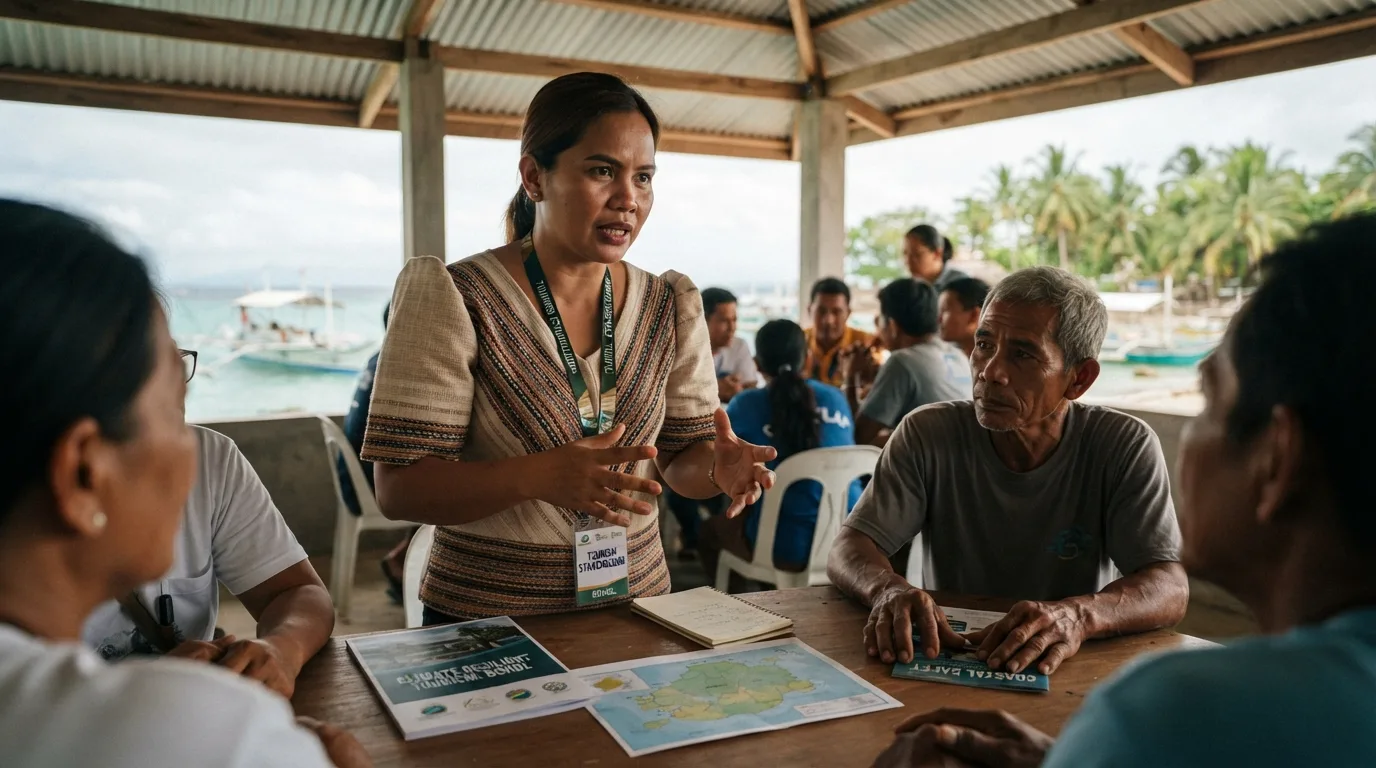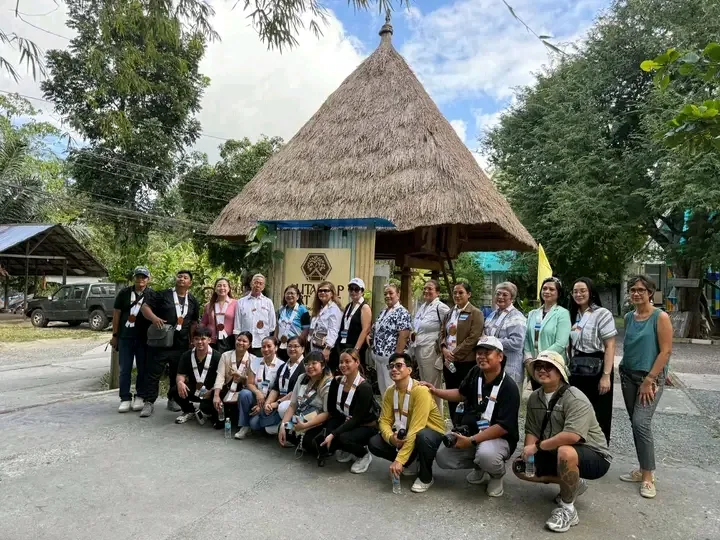
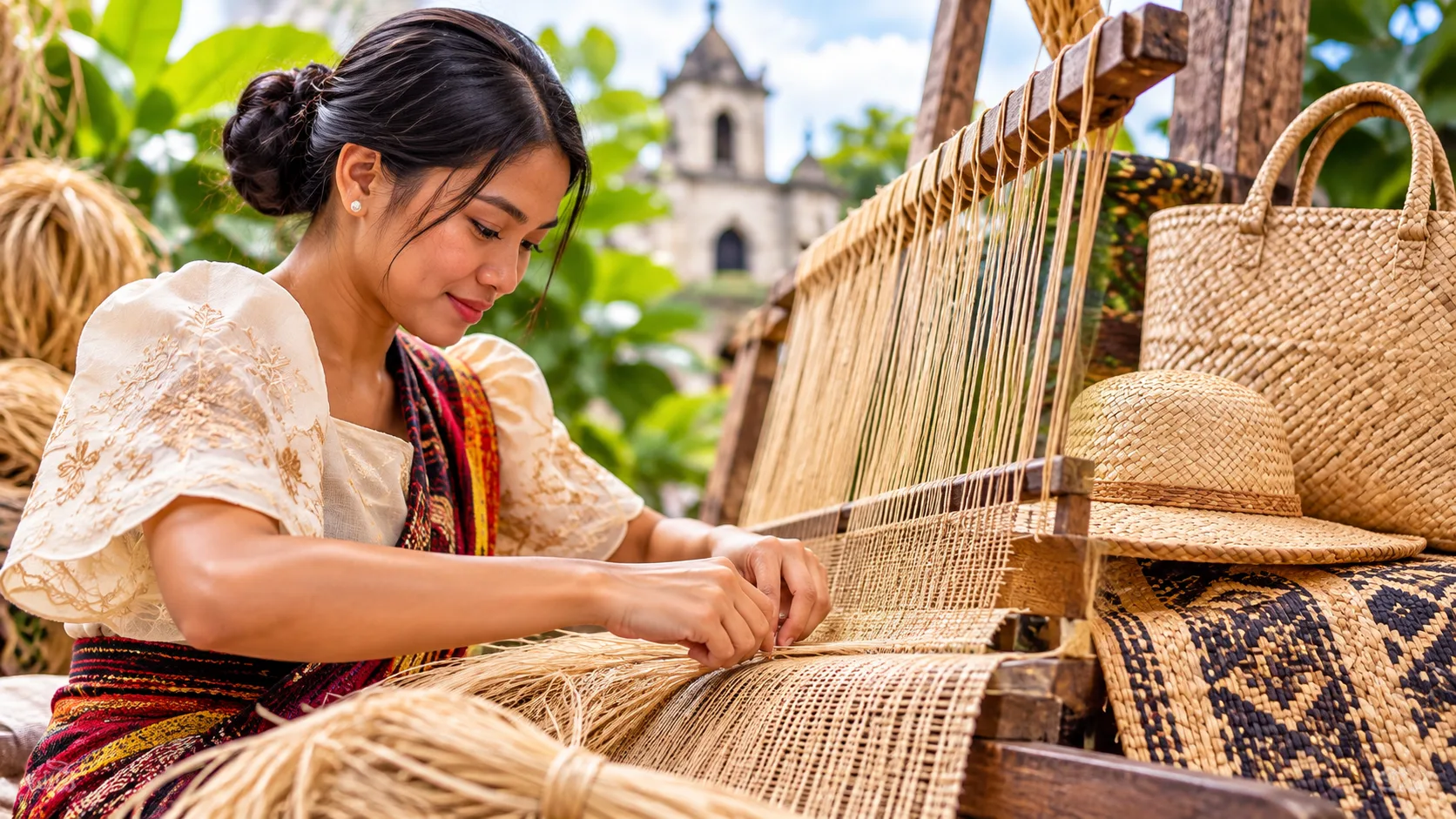
DUMAGUETE CITY, Negros Oriental — Efforts to preserve traditional weaving practices and strengthen the local fiber industry continue as the National Museum of the Philippines (NMP)–Dumaguete joins partner institutions in promoting sustainable craftsmanship and cultural heritage. The museum participated in the fourth-quarter meeting of the Negros Oriental Fiber Industry Alliance (NORFIA), held at Foundation University on November 6, 2026. The gathering brought together representatives from different institutions to discuss ways to protect traditional fiber-making knowledge, expand abaca production, and create more opportunities for local artisans and communities. Through these initiatives, Negros Oriental aims to keep its traditional weaving practices alive while adapting them to contemporary industries and markets.
National Museum Highlights the Importance of Preserving Traditional Sinamay Weaving
During the meeting, Museum Researcher II Fred Jordan Mikhail T. Carnice shared highlights of the National Museum–Dumaguete's participation in the 2026 Negros Design Week, particularly its presentation at the Bamboo Pavilion on October 24. His talk, titled “Untangling the Design of Pinakang nga Sinamay,” focused on the traditional finishing technique used in abaca weaving, locally known as sinamay or upak. The technique is reportedly practiced by only one remaining family in Valencia, Negros Oriental, making its preservation an important concern for the province's cultural heritage. The presentation emphasized that traditional design involves more than colors, patterns, and textures, as it also depends on preserving the knowledge and processes passed down through generations. It further highlighted the importance of adapting ancestral craftsmanship to modern applications while ensuring that these practices continue to be taught and maintained.
Fiber Industry Partners Discuss Abaca Production and Livelihood Opportunities
The NORFIA meeting also covered initiatives aimed at strengthening the local fiber industry through increased abaca production and livelihood training. Among the topics discussed were pagbunos or pagtagak, traditional manual processes used to connect and knot abaca fibers into a continuous thread. These practices demonstrate the knowledge and skills involved in preparing natural fibers for weaving and other craft applications. Participants also discussed the groundbreaking of the Negros Oriental State University (NORSU) loom house in Bajumpandan, which represents another development supporting local weaving activities. These initiatives aim to strengthen the connection between traditional craftsmanship, local production, and livelihood opportunities for communities involved in the fiber industry.
Collaboration Promotes Greater Appreciation for Negros Oriental Fiber Products
Representatives from the Philippine Fiber Industry Development Authority (PhilFIDA) Negros Oriental, NORSU, Foundation University, and the Department of Science and Technology (DOST) Negros Oriental and Negros Island Region attended the meeting. Their participation reflected the importance of cooperation among educational institutions, government agencies, and cultural organizations in supporting the province's natural fiber sector. Discussions also included key takeaways from the October Buglasan Trade Fair, particularly the role of public support in encouraging appreciation for locally made fiber products. By combining research, cultural preservation, livelihood development, and promotion of local crafts, these efforts seek to create a stronger and more sustainable fiber industry. The continued collaboration also highlights how protecting traditional knowledge can help preserve Negros Oriental's identity while creating opportunities for future generations.