A School Garden With a Purpose
GENERAL SANTOS CITY - A school garden can offer more than a patch of green within the campus. Through the Gulayan sa Paaralan Program, schools can promote gardening, environmental awareness, and appreciation for nutritious food. FOSES reported continued improvements to its garden even while regular face-to-face classes were suspended. Maintaining these spaces requires attention to plants, growing areas, and general upkeep, making their care a practical activity that can continue beyond the usual school day. When learners return, a well-kept garden can serve as a useful setting for conversations about food, health, and caring for the environment.
Clean Water and Feeding Services Matter Every Day
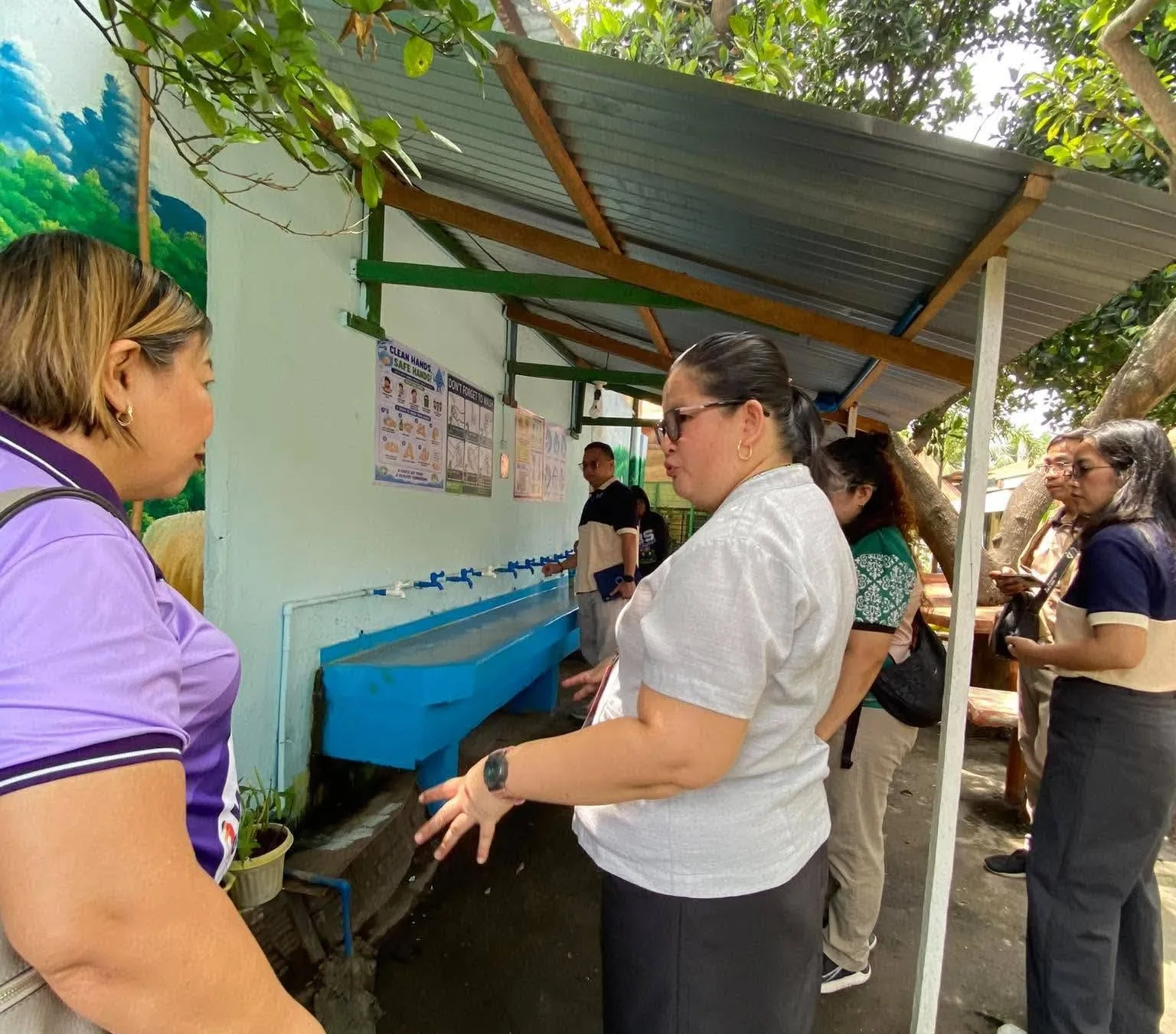
Food and sanitation are essential parts of a school environment, not simply additional activities on the calendar. FOSES reported continued work on its feeding program and Water, Sanitation and Hygiene in Schools (WinS) facilities during the extended break. Properly maintained handwashing areas, safe water access, and clean surroundings help schools support healthier daily routines. Meanwhile, school feeding initiatives are intended to help address learners’ nutritional needs, making their implementation an important part of student welfare. Together, these services show why preparing a school for learners involves more than classrooms, desks, and learning materials.
Monitoring Keeps Essential Services in View
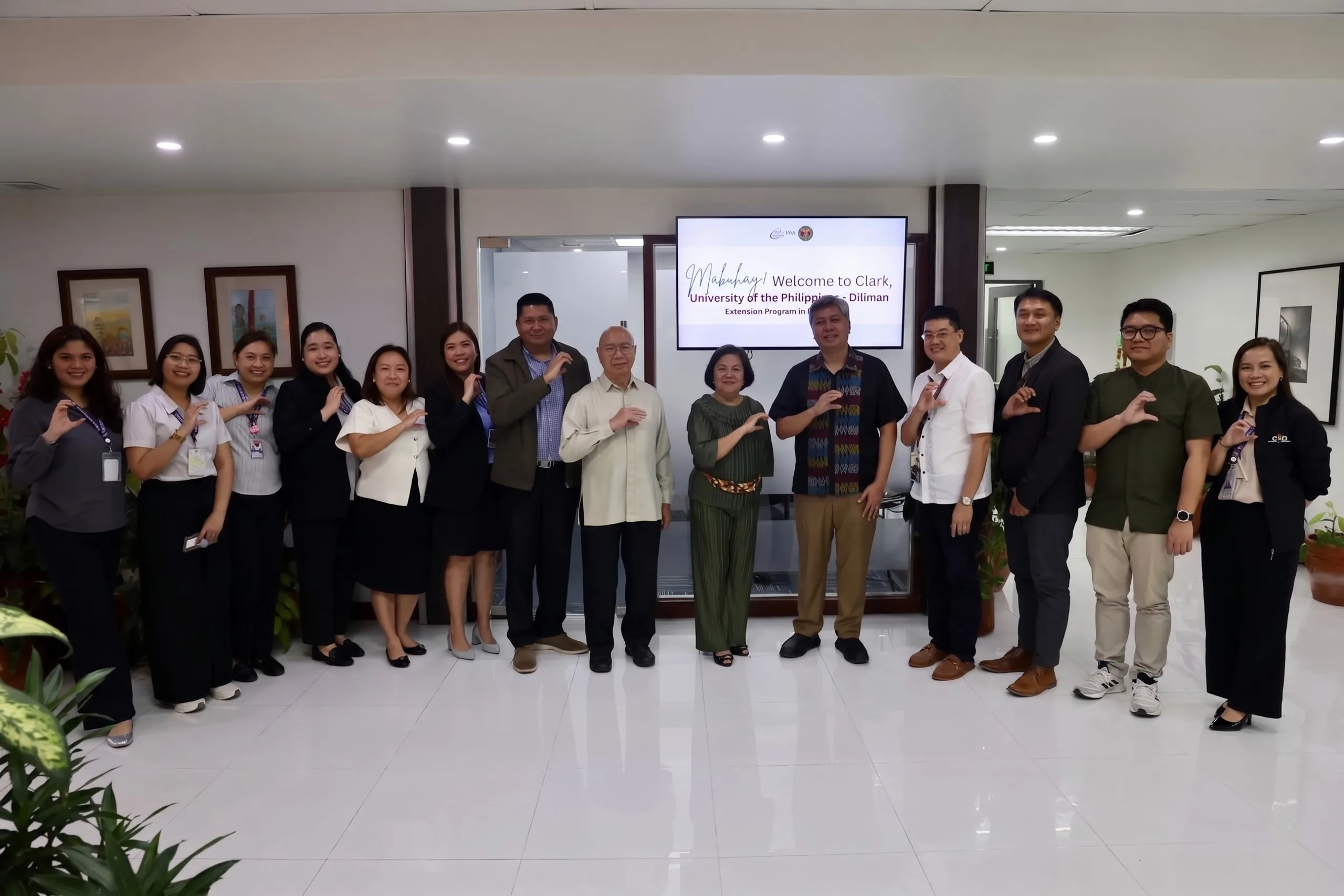
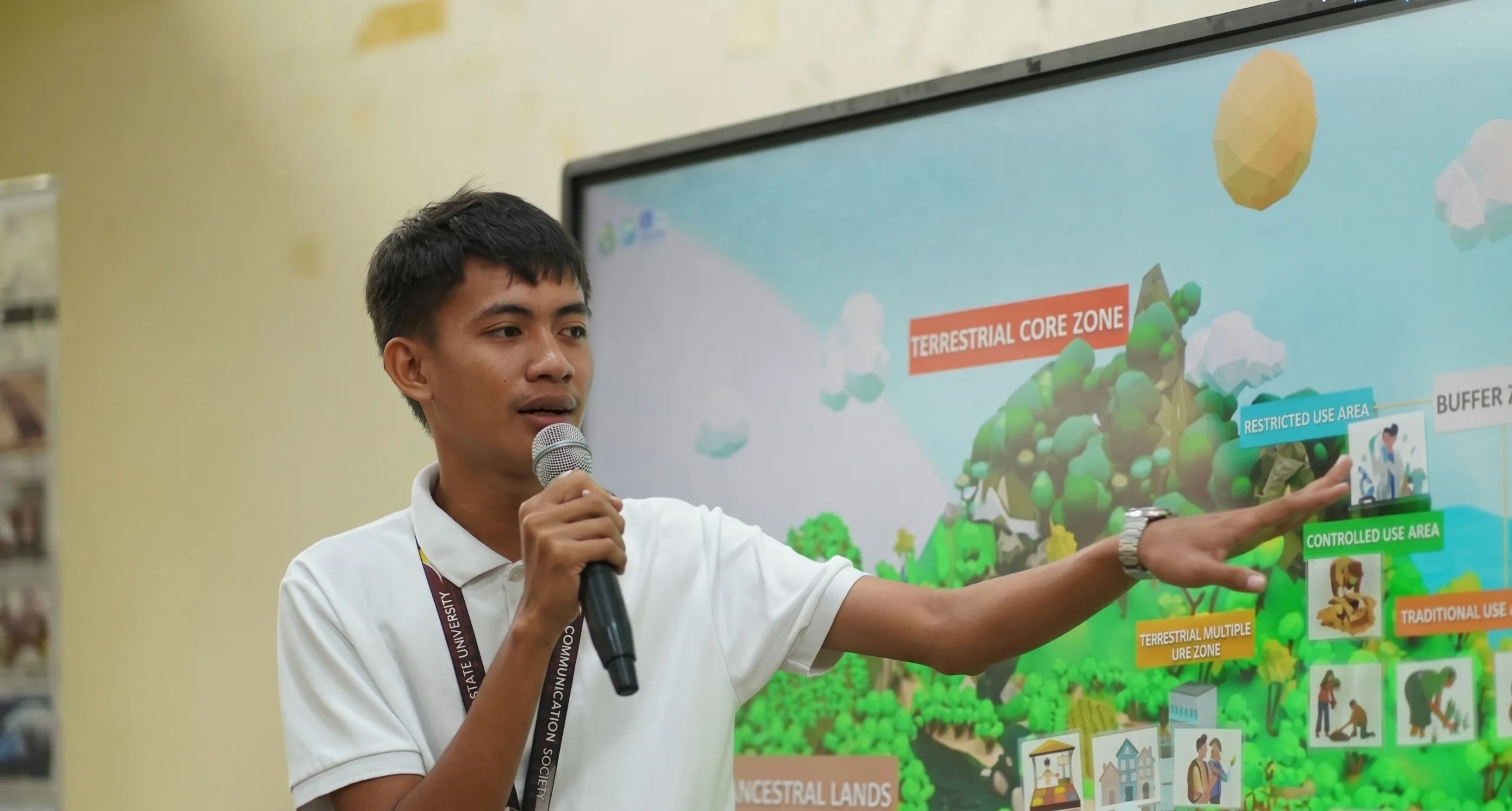
FOSES also welcomed a National Monitoring Team, accompanied by regional and division health teams, for progress monitoring of the School-Based Feeding Program, Gulayan sa Paaralan Program, WinS, and related initiatives. The school presented its programs, improvements, and supporting documents for review. Such monitoring provides an opportunity to examine implementation records and assess whether program requirements are being followed. It also draws attention to the coordination needed among school communities and their partners to maintain these services. With continued attention to gardens, feeding activities, and sanitation, school readiness can include the facilities and routines that support learners’ well-being—not just their return to class.