Two Weeks of Fieldwork Become One Regional Picture
GENERAL SANTOS CITY - From July 22 to August 11, government assessment teams gathered information from communities affected by the June earthquake and its cascading impacts. The work examined several areas that determine how communities can recover, including housing, infrastructure, education, livelihoods, and other affected sectors. Bringing those findings together is important because earthquake impacts do not stop at damaged structures. Disrupted livelihoods, access to services, schooling, transportation, and housing can all influence how quickly families and communities regain normal routines. The completed assessment gives agencies a broader pool of information to work with as they determine the scale of recovery needs across Region XII and identify areas requiring focused intervention.
GenSan Becomes the Meeting Point for Recovery Data
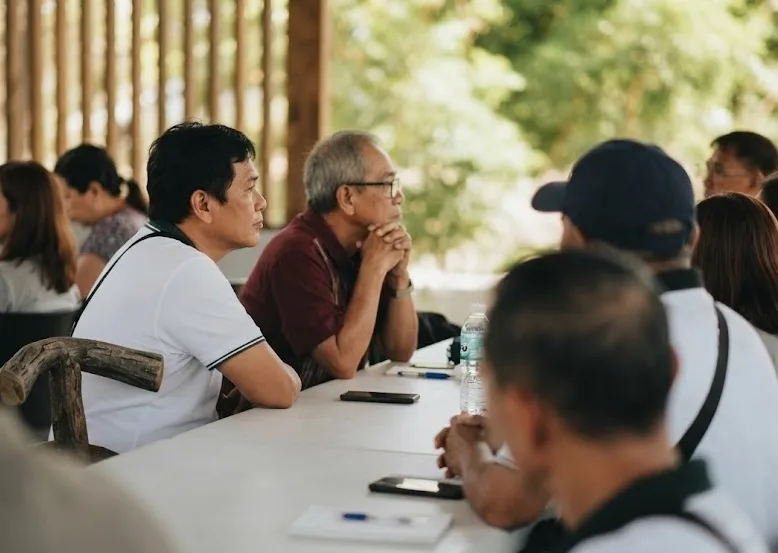
The assessment findings were consolidated during a three-day writeshop held from August 12 to 14 at the East Asia Royale Hotel in General Santos City. This stage matters because information gathered separately in different communities needs to be organized before it can become a useful planning document. The process brings together observations concerning physical damage and economic losses with information about affected people and essential services. General Santos City's role as the venue gives the city a practical connection to the regional recovery process without suggesting that the city itself experienced the same level of damage as the hardest-hit areas. The work instead centers on turning field information into usable recovery priorities.
A Data-Based Roadmap for What Comes Next
The final report from the assessment is expected to identify recovery needs and priorities and provide a basis for rehabilitation and recovery planning. That approach builds on earlier regional efforts to move from emergency response toward longer-term rebuilding. The SOCCSKSARGEN Regional Disaster Risk Reduction and Management Council approved measures supporting early recovery and rehabilitation planning for Sarangani, including proposals for rehabilitation funding and improvements to disaster-monitoring capacity. The region had also begun developing a recovery framework covering areas such as housing, infrastructure, livelihoods, agriculture, social services, and environmental rehabilitation. The latest assessment adds another layer of evidence that can help agencies determine where resources should be directed.