Health Partnerships That Reach Children
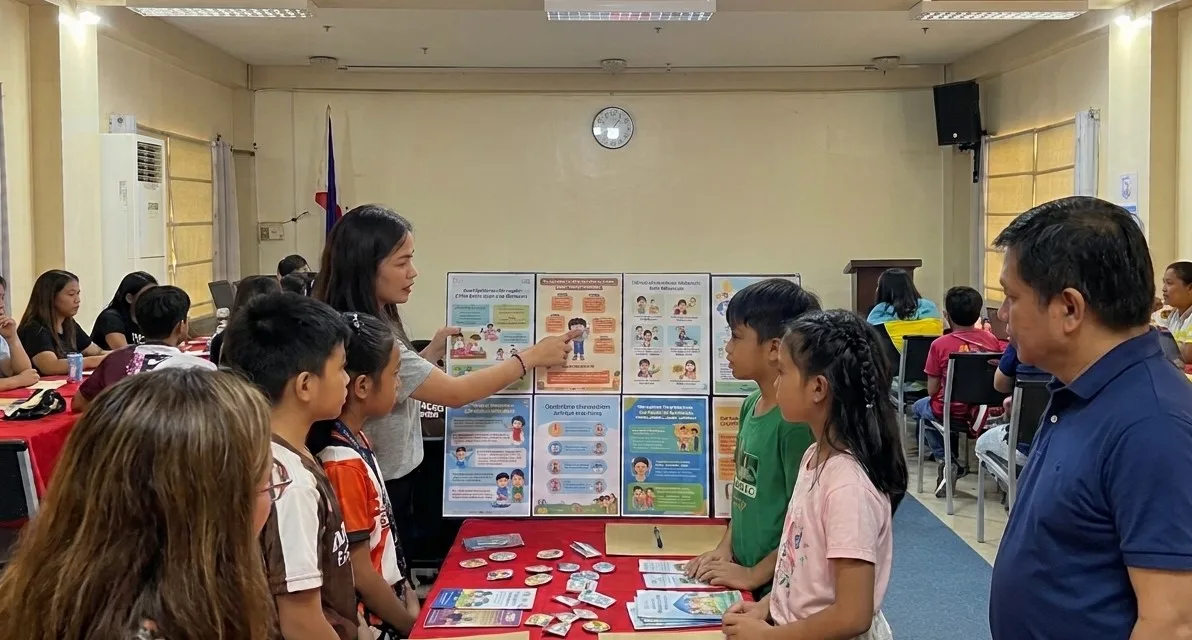
GENERAL SANTOS CITY- Health-related protection is strongest when schools and healthcare providers work together to identify children who may need services. Coordination among education personnel, health offices, and immunization teams can help families receive reliable information and understand which vaccines and other preventive services are available. A General Santos City coordination update carried through local government communications in October discussed planning and community-based approaches to improve immunization coverage among eligible learners. Such coordination can help address gaps for children who may not be reached through school-based activities alon
Safety Knowledge Starts in the Classroom
Learners also need practical knowledge that helps them respond to emergencies. In an October 22, 2026 report, the Philippine Information Agency described DepEd’s preparations for extreme heat and other hazards, including possible adjustments to class schedules, hydration measures, and regular school safety exercises. The report also highlighted the value of teaching children how to recognize risks and practise appropriate emergency responses. For schools in General Santos City, these measures show how protection can be part of everyday school routines rather than something addressed only after an incident.
Building a Support System Around Every Learner
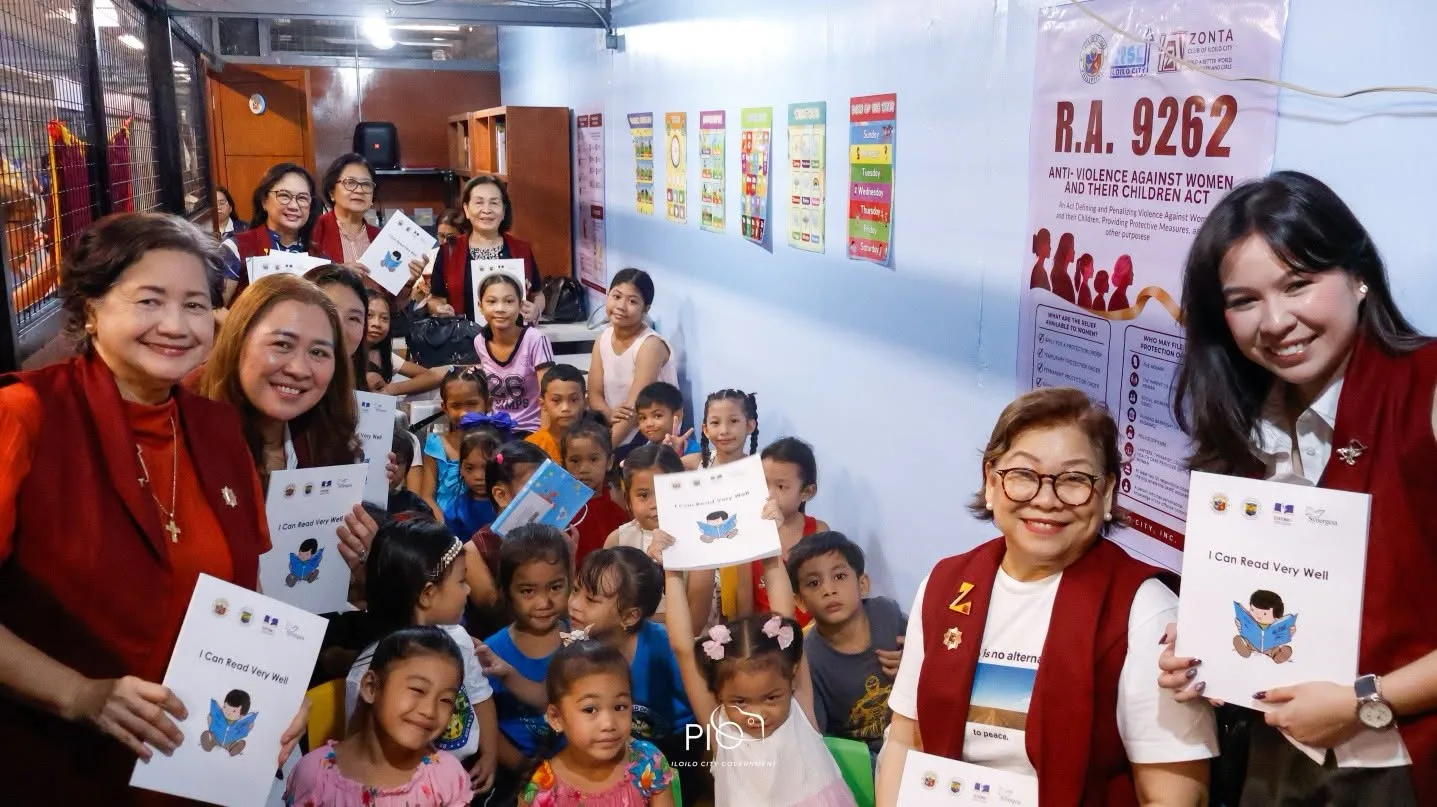
Child protection also depends on whether students know where to seek help and whether adults respond appropriately to concerns about bullying, abuse, discrimination, or neglect. DepEd’s Child Protection Policy sets out responsibilities for schools and personnel in preventing and responding to acts that threaten learners’ safety and dignity. General Santos City’s official executive-order archive also records the reconstitution of its Local Council for the Protection of Children in January 2026, providing a local policy framework for child-focused coordination. Together, school-based safeguards and community services can help create conditions in which children are better supported both inside and outside the classroom.