153 Units, One Powerful Gesture
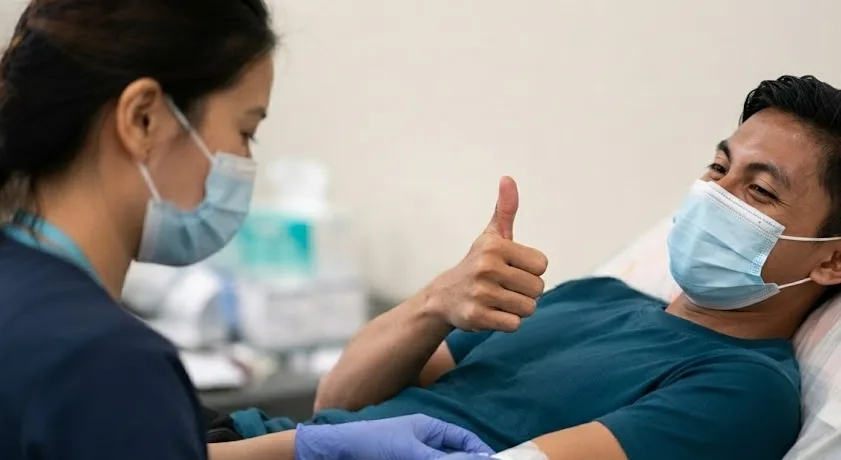
GENERAL SANTOS CITY - The DALOY First Mass Blood Donation brought an encouraging group of donors to Robinsons General Santos, where NDDU-PHISMETS worked with the Philippine Red Cross–General Santos City to conduct the activity. According to NDDU, the drive successfully collected 153 blood units, giving the campaign a tangible result that goes beyond attendance or participation. Each donation represents a contribution that can enter the blood supply system and potentially support patients requiring transfusion. The university credited its donors, student volunteers, and “Katusok” community for their willingness to participate, placing service and compassion at the heart of the initiative.
Students Put Their Training Into Service
For medical technology students, a blood-donation campaign offers a natural opportunity to connect their field of study with community involvement. PHISMETS-NDDU organized the activity together with the Philippine Red Cross–General Santos City, showing how a university organization can help create a setting where health advocacy becomes something people can actively participate in. NDDU’s announcement also framed the collected units as a source of hope and healing for patients across the region. While the university did not claim that all 153 units had already reached specific patients, the collection itself marks a concrete contribution to the available blood supply.
A Community Effort With a Lasting Message
The story also adds another side to General Santos City’s student community, where academic organizations can contribute beyond campus activities. The September 17 university announcement thanked the donors and volunteers whose participation made the DALOY campaign possible, emphasizing dedication to voluntary blood donation. The activity was held on August 29, 2026, but its results were shared publicly weeks later, making the 153-unit collection a timely example of community service worth highlighting. More importantly, the effort shows how a single organized drive can bring students, health partners, and ordinary residents into one shared purpose: helping strengthen the supply of blood available to people who may need it.