Clear Answers Help Parents Make Informed Choices
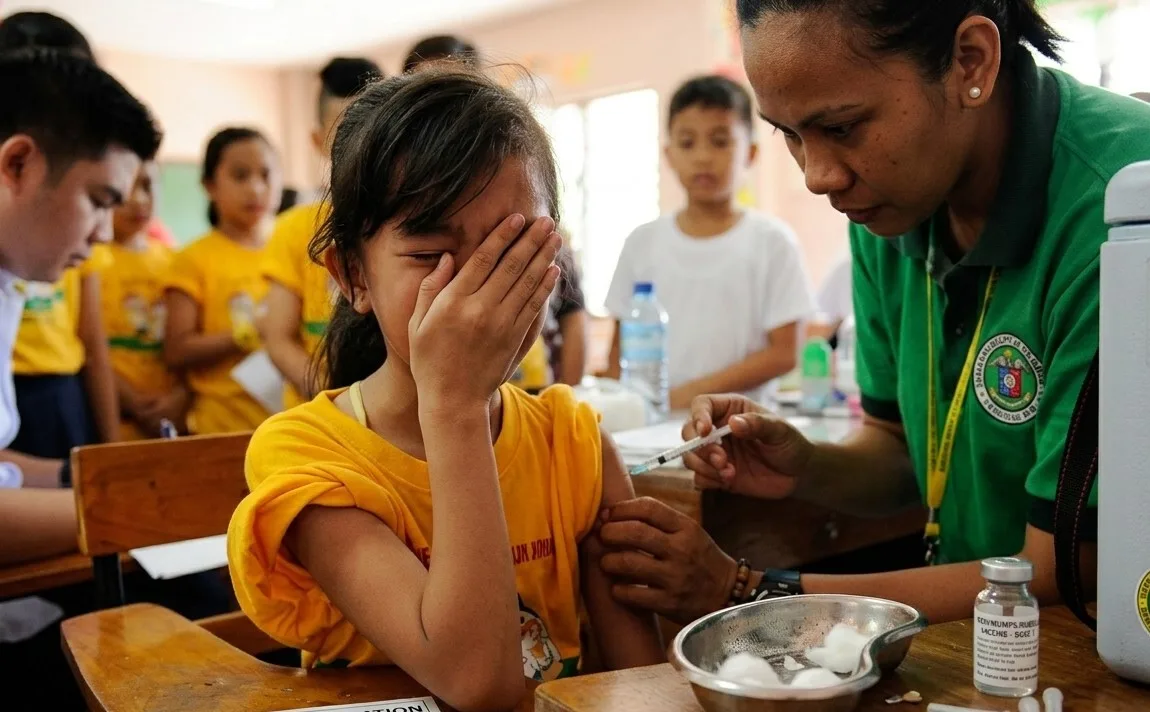
GENRAL SANTOS CITY- For many parents, agreeing to a school vaccination begins with understanding which vaccine is being offered and why their child may be eligible. Nurses and other qualified health workers can explain the purpose of immunization, outline the procedure, and direct caregivers to reliable answers when medical questions arise. The Department of Health's school-based immunization guidance identifies measles-rubella and tetanus-diphtheria vaccines for eligible Grade 1 and Grade 7 learners, as well as HPV vaccination for eligible female learners in specified grade levels. Parents should check the current guidance and local schedule with their child's school or health center, since eligibility and implementation details may vary. Accurate explanations can replace confusion with a clearer understanding of the decisions families are being asked to make.
Health Workers and Educators Have Different but Connected Roles
School personnel help communicate schedules, distribute notices, and coordinate with families, while vaccination and clinical decisions remain the responsibility of qualified health professionals. Nurses can help ensure that health information is understood, concerns are referred appropriately, and immunization activities follow applicable procedures. Parents and guardians also have a role: they should review consent forms, disclose relevant health concerns to the medical team, and ask questions before vaccination when something is unclear. In General Santos City, cooperation between schools, families, and health services can make it easier for eligible learners to access accurate information about school-based vaccination. This approach emphasizes informed participation rather than pressure or assumptions about a family's decision.
Prevention Is Part of a Healthy School Routine
School-based immunization is intended to protect eligible children against selected diseases that can be prevented through vaccination. The Department of Health's October 2026 guidance describes vaccination for Grade 1 and Grade 7 learners against measles, rubella, tetanus, and diphtheria, alongside HPV vaccination for eligible female learners in Grades 4 and 5 who have not previously received it. These are program guidelines, not confirmation that every school in General Santos City has already conducted its vaccination activity. Families should rely on announcements from their school and local health office for dates, eligibility, and consent requirements. With nurses helping explain the process and parents receiving dependable information, Bakuna Eskwela can support informed decisions about children's health.