The People Behind the Response
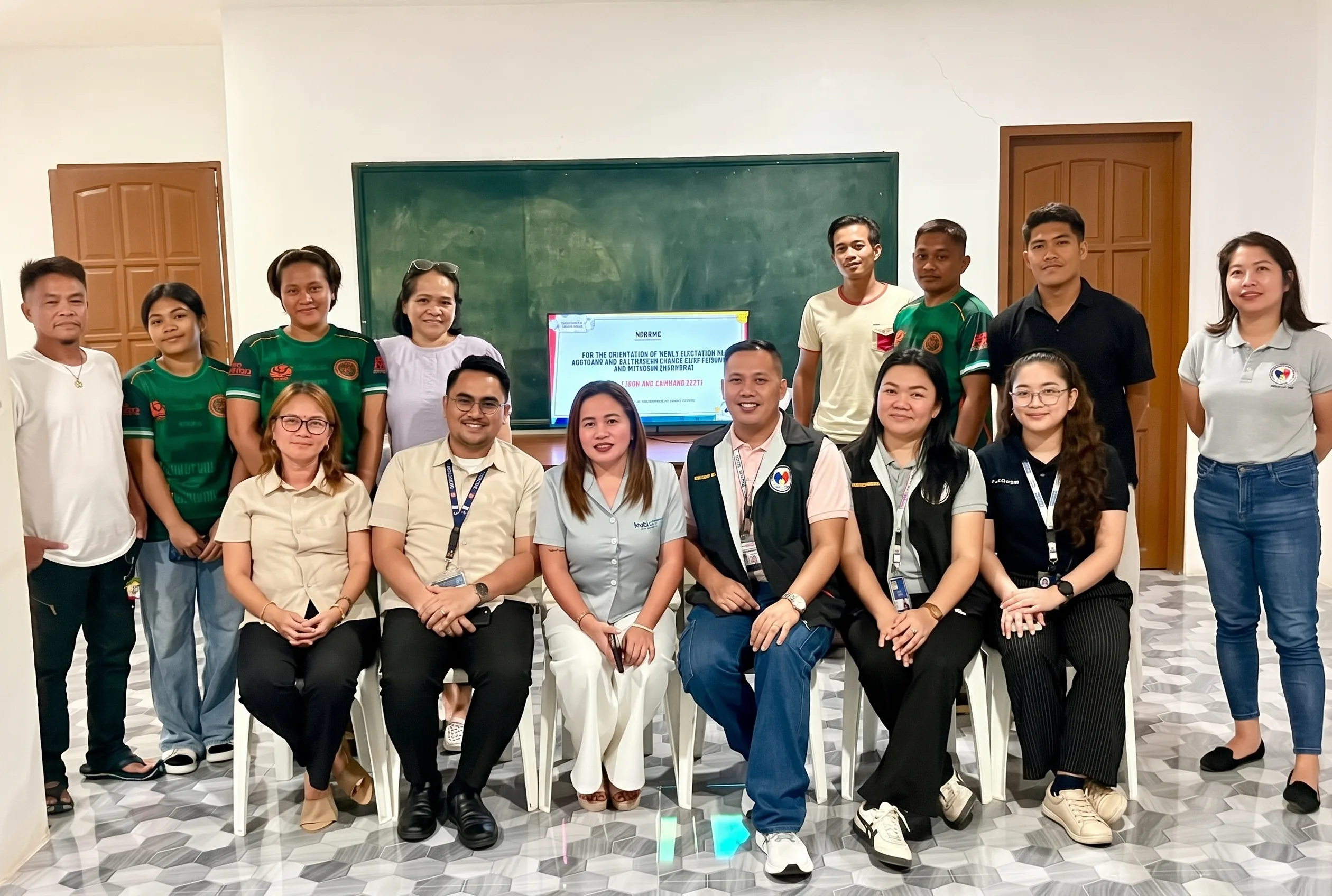
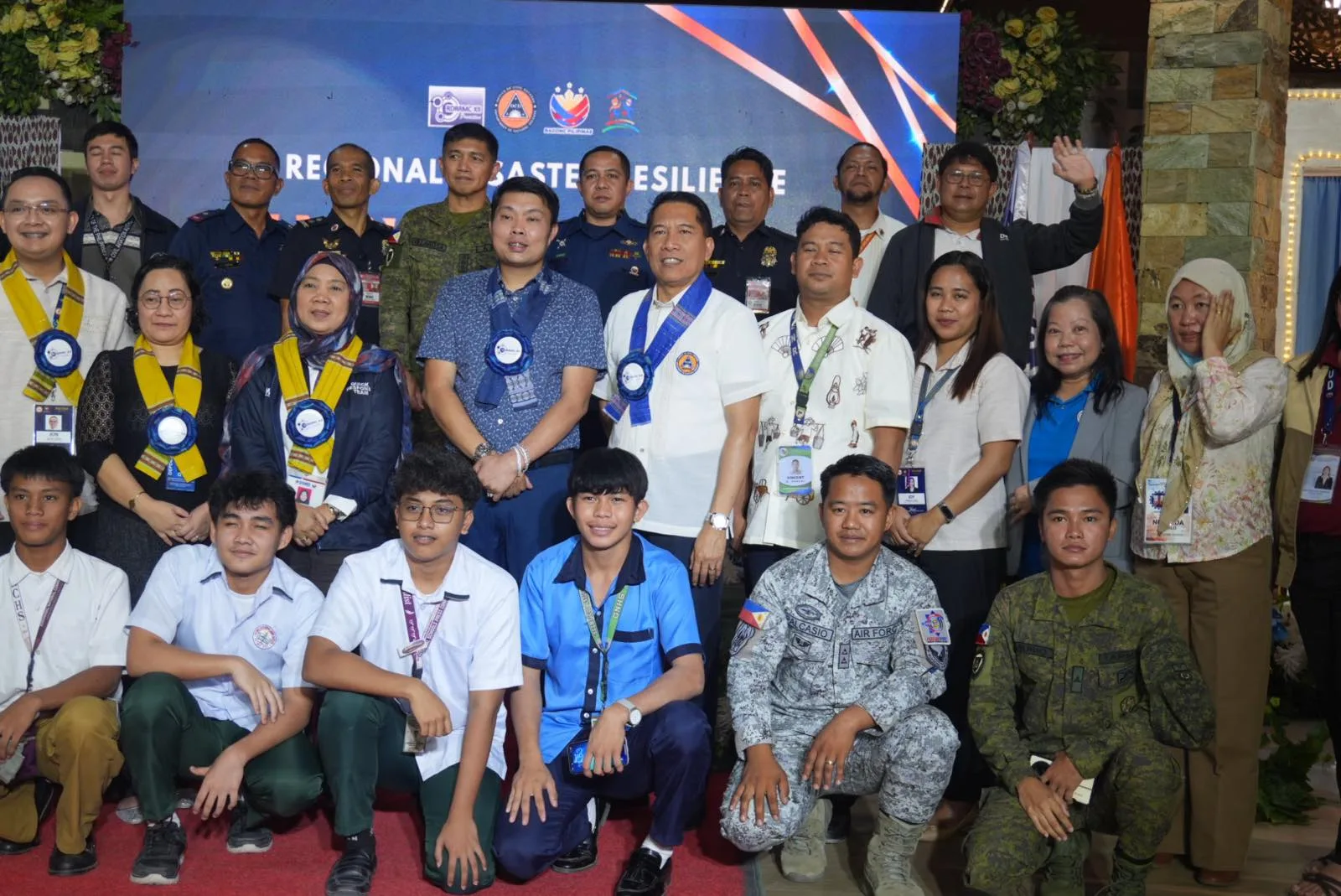
GENERAL SANTOS CITY - When an emergency happens, the public often sees the result before seeing the work that made it possible. The September recognition highlighted government agencies, disaster responders, incident management personnel, and young advocates who contributed personnel, resources, technical expertise, and other forms of support following the magnitude 7.8 offshore earthquake in Sarangani. Nineteen member agencies of the Soccsksargen Regional Disaster Risk Reduction and Management Council were recognized for their contributions to response operations. Their work reflects the less visible side of community safety: coordination, preparation, logistics, and the ability to respond when normal routines are interrupted.
Preparedness Is Built Before the Next Emergency
For residents, disaster resilience can sound like a technical government term, but its meaning is fairly simple: communities need people who know their roles before something goes wrong. The recognition covered assistance provided to affected communities and to the RDRRMC-12 Emergency Operations Center after the earthquake. That makes the story relevant beyond the ceremony itself, because response capacity is shaped by what agencies, responders, and communities learn from actual emergencies. General Santos and its neighboring areas can take practical lessons from that experience as they continue strengthening their readiness.
Young People Have a Place in Resilience, Too
One particularly encouraging detail is that young advocates were included among those recognized, putting youth participation alongside the work of government agencies and professional responders. Disaster preparedness is not limited to emergency personnel; young people can also contribute through awareness, communication, volunteer work, and responsible action within their schools and communities. The regional recognition therefore presents resilience as something shared rather than something carried by one office or profession. For General Santos, that wider participation adds a hopeful dimension to a difficult chapter and shows how preparedness can become part of community culture.