A Regional Nod for GenSan’s Health Work
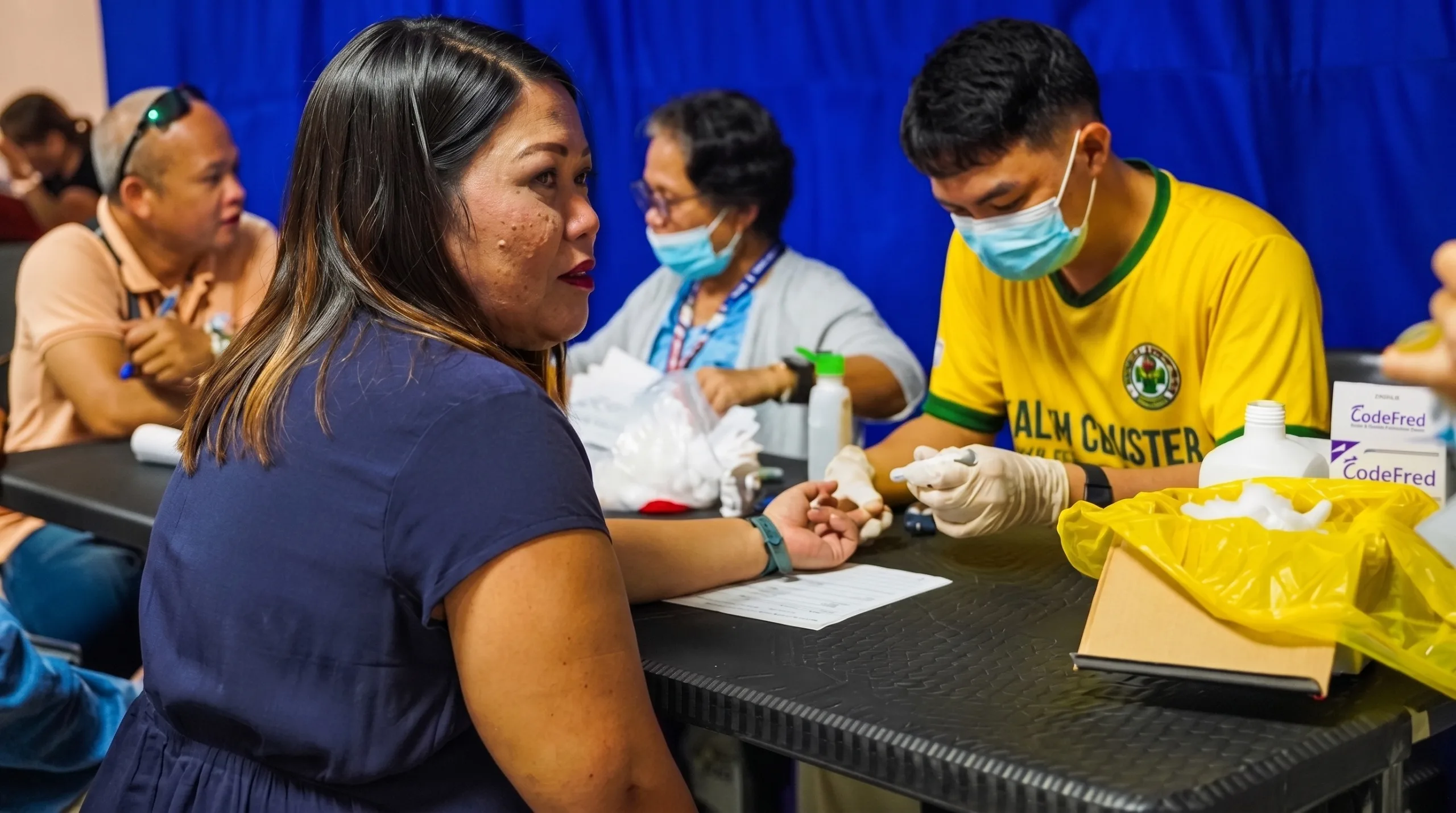
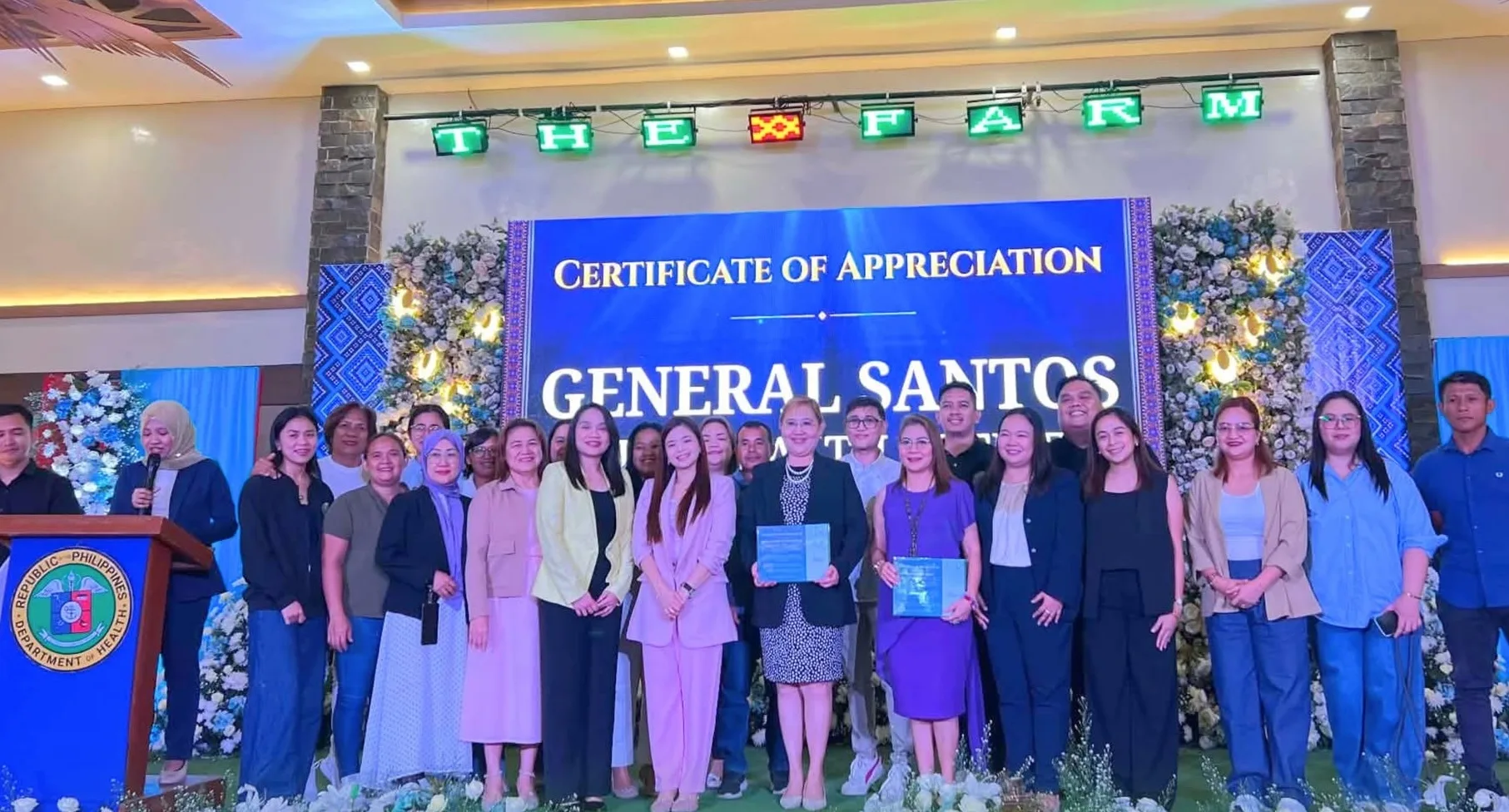
GENERAL SANTOS CITY - The General Santos City Health Office received a Certificate of Appreciation during the Regional Performance Assessment and Updates on Surveillance and Health Statistics held August 26–27, 2026, at The Farm in Koronadal City. The recognition cited the office’s dedication, commitment, and continued support to the Regional Epidemiology and Surveillance Unit in advancing epidemiology, surveillance, and health-statistics programs in SOCCSKSARGEN. While such work often happens away from the public spotlight, surveillance and reporting are important parts of routine public health operations. For General Santos, the certificate provides a tangible acknowledgment of the city health team’s contribution to a regional system that depends on reliable information.
Why Health Statistics Matter Beyond the Numbers
Health statistics are not simply figures placed into reports. They can help health authorities identify patterns, monitor diseases, assess services, and determine where attention may be needed. The Department of Health’s regional office demonstrated this importance earlier in 2026 when its surveillance team checked health reports and service conditions in General Santos City and nearby areas following the June earthquake. The DOH said accurate emergency reports were important for planning, decision-making, and determining support for medical services. That same principle applies during ordinary health operations: information gathered and reported by health offices can provide a clearer picture of what communities require.
Recognition for Work That Happens Behind the Scenes
The certificate also fits into General Santos City’s wider effort to strengthen the technical side of healthcare. Earlier this year, the DOH SOCCSKSARGEN regional office held immunization activities in the city that included surveillance updates, data management, outbreak preparedness, and field learning at General Santos health facilities. The city’s Health Office has likewise continued participating in capacity-building activities involving health information systems and service delivery. These efforts show why epidemiology and statistics deserve attention alongside more visible medical services: reliable records and reporting help health personnel see what is happening across communities. The regional recognition therefore celebrates a function that may not always be noticed by residents, but remains part of how public health programs are organized and evaluated.