Growing Fresh Produce Close to Home
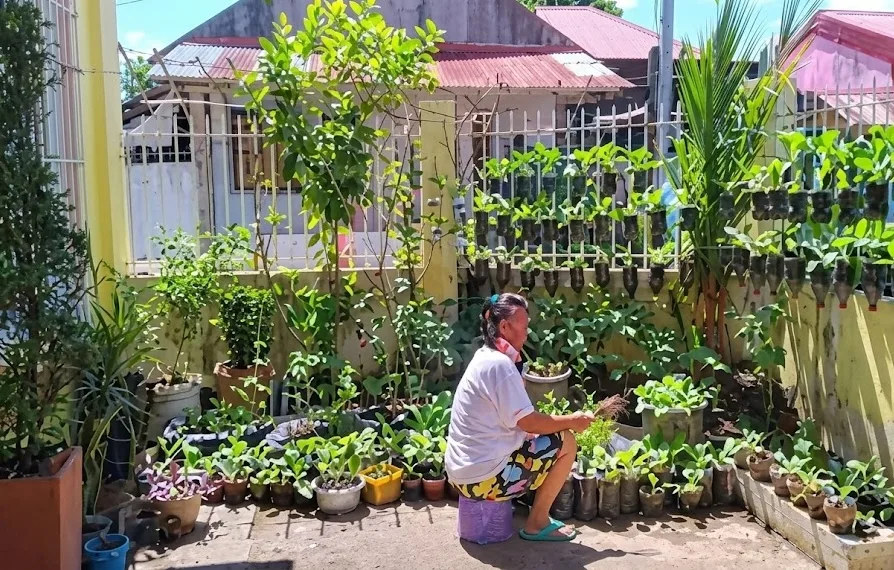
GENERAL SANTOS CITY - Not every household owns farmland, yet many families can still grow vegetables in small yards, containers, or shared community spaces. The distribution of seeds and gardening materials encourages residents to cultivate nutritious crops such as leafy vegetables, tomatoes, peppers, and herbs that complement daily meals. Small gardens reduce dependence on frequent market purchases while helping households appreciate the effort involved in food production. Beyond the harvest itself, gardening develops practical skills that families can continue using throughout the year, making food production more accessible even in urban neighborhoods.
Gardens That Bring Neighbors Together
Community gardens often become gathering places where knowledge is exchanged as freely as seeds. Experienced growers share planting techniques, composting methods, and pest management practices with beginners, creating opportunities for cooperation among residents. Schools, youth organizations, and senior citizen groups may also participate by maintaining demonstration gardens that encourage environmental awareness. These shared spaces strengthen relationships while promoting healthier lifestyles through outdoor activity. In many communities, a small vegetable plot becomes more than a source of food—it becomes a place where people learn, collaborate, and build lasting connections.
Planting Ideas for a More Sustainable City
Urban agriculture contributes to sustainability in ways that extend beyond food production. Home gardens encourage composting, reduce food waste, increase green spaces, and foster appreciation for environmental stewardship. As more residents discover the value of growing their own produce, General Santos City can further strengthen local food resilience while supporting educational programs that promote responsible resource management. Community gardening demonstrates that meaningful environmental improvements often begin with simple actions taken close to home. One seed planted today can inspire healthier families, greener neighborhoods, and a stronger sense of shared responsibility tomorrow.