The Safety Work Behind Every Blood Bag
GENERAL SANTOS CITY - The three-day activity held from September 9 to 11 at Greenleaf Hotel in General Santos City focused on cold-chain management for blood and blood components. Participants reviewed temperature requirements, proper operation of cold-storage equipment, monitoring procedures and the correct handling of blood products during storage and transport. They also examined documentation and quality checks designed to identify practices that could put the safety or quality of blood products at risk. While these steps happen largely behind the scenes, they form part of the safeguards that help ensure patients receive blood products that have been properly handled.
Keeping Quality From Collection to Care
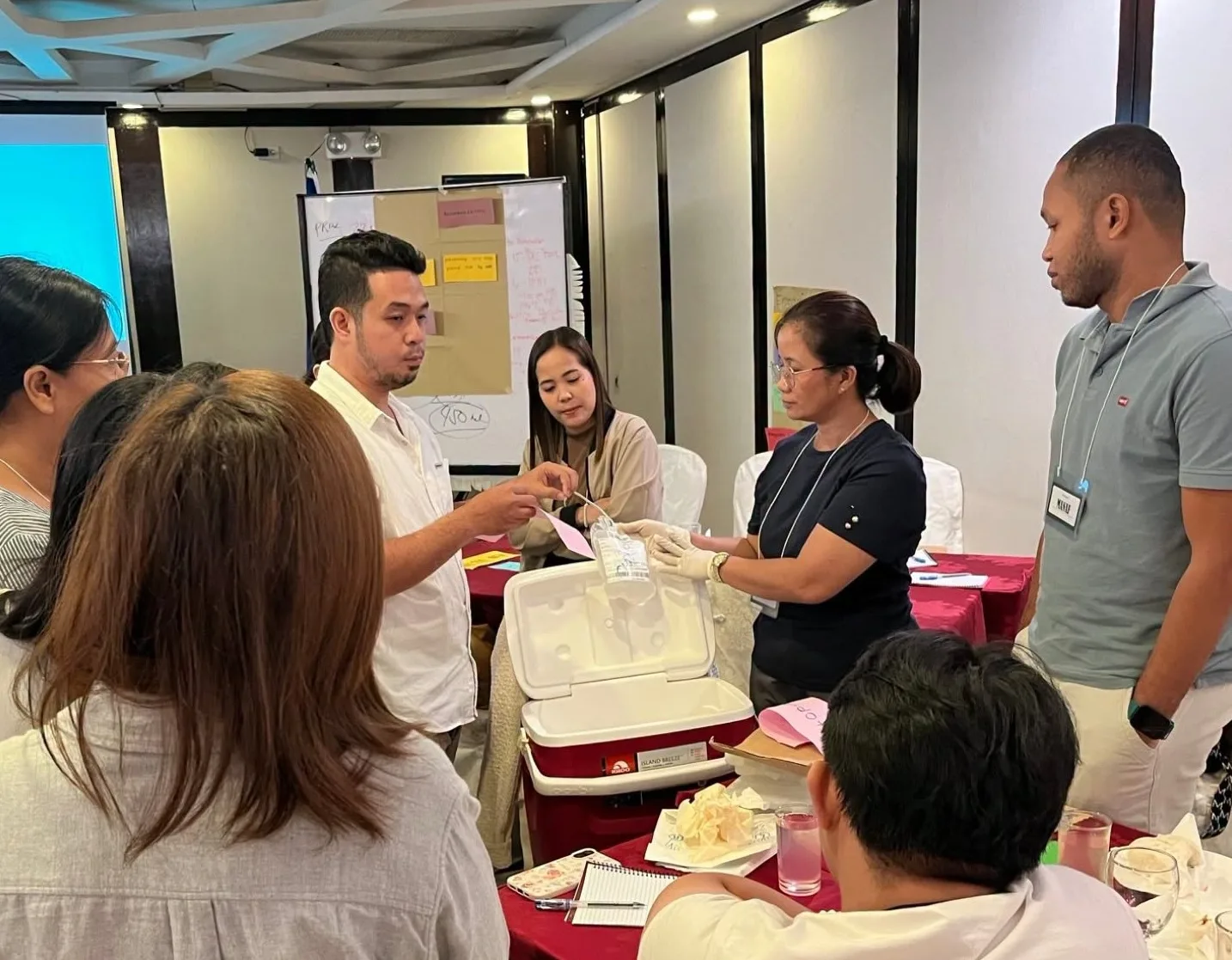
Blood does not simply need to be available; it also needs to remain within appropriate conditions throughout its journey. During the General Santos City activity, participating facilities performed return demonstrations of cold-chain procedures and reviewed preventive maintenance for storage equipment. Selected facilities also shared practices they use to maintain blood-product quality, giving participants an opportunity to compare procedures and identify ways to improve their own systems. The practical focus makes the initiative particularly relevant to community healthcare because proper storage and transportation are part of the chain that connects blood donors with patients who may depend on transfusion.
A Quiet Investment in Patient Readiness
For residents, the value of this kind of work may only become apparent when a blood transfusion is urgently needed. Stronger handling procedures can help health facilities protect the quality of blood products before they are used, adding another layer of preparedness to the regional healthcare system. The activity in General Santos City was part of a wider effort involving 35 blood service facilities in SOCCSKSARGEN, giving the training significance beyond the venue where it was held. Rather than focusing on a single event or individual, the development points to the importance of dependable systems that help healthcare providers respond when patients need safe blood products.