When Buildings Become Part of the Economic Story
GENERAL SANTOS CITY - Major earthquakes often leave a lasting mark on how cities think about growth. In General Santos City, reports from June 2026 documented damage to commercial structures, utilities, and public facilities. For business owners, recovery extends beyond reopening doors. It includes evaluating structural safety, updating facilities, and restoring consumer confidence. Retail establishments, offices, and service providers all depend on spaces that can operate reliably. The rebuilding phase therefore becomes more than a construction effort—it becomes an economic process that affects investment decisions, leasing activity, and the long-term attractiveness of business districts.
A Different Conversation About Urban Development
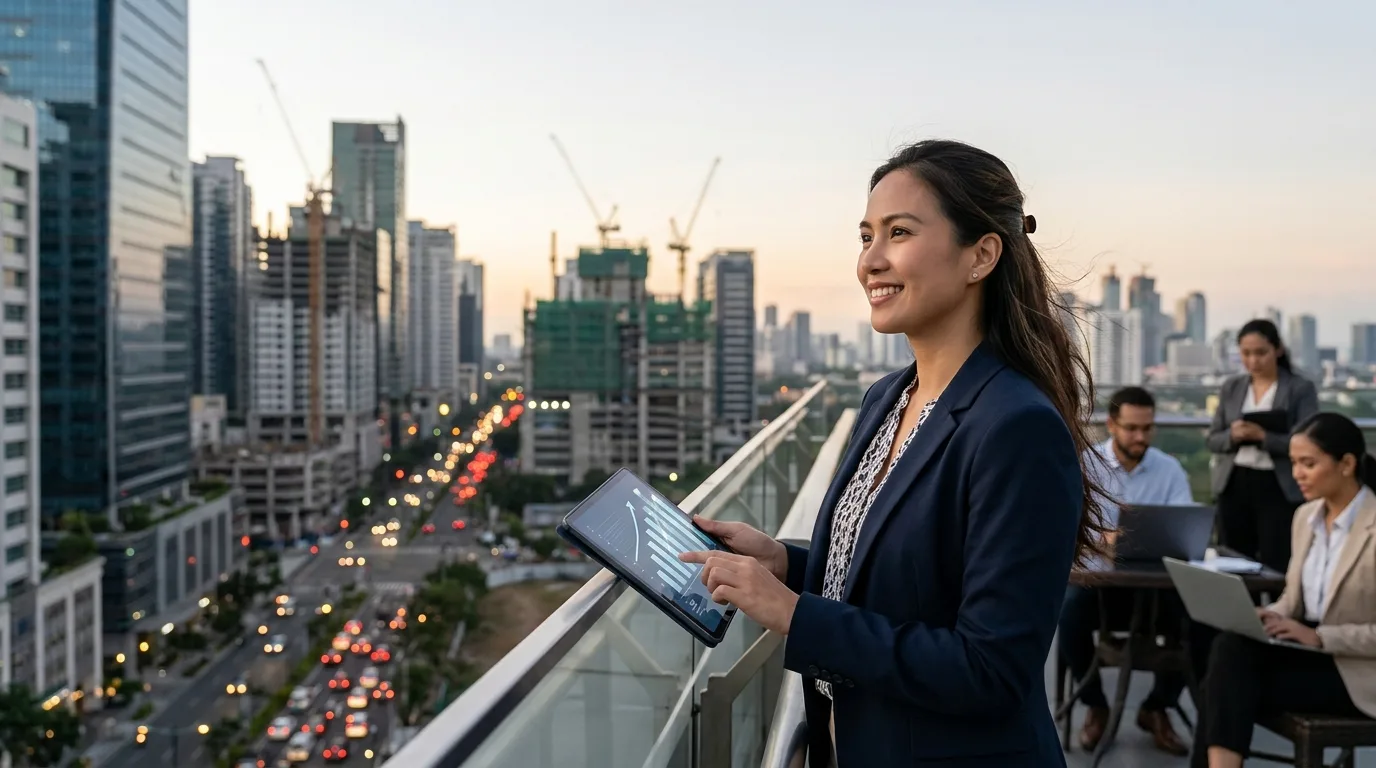
Property developers and investors frequently examine lessons learned after major disruptions. The 2026 earthquake highlighted the importance of structural resilience and risk management in growing urban centers. Future commercial projects may place greater emphasis on engineering standards, emergency preparedness, and site planning. These considerations can influence tenant preferences as well. Businesses seeking long-term stability may increasingly prioritize locations designed to withstand natural hazards. As a result, discussions about economic growth are becoming linked not only to expansion, but also to durability and preparedness.
Recovery Spending and Local Opportunity
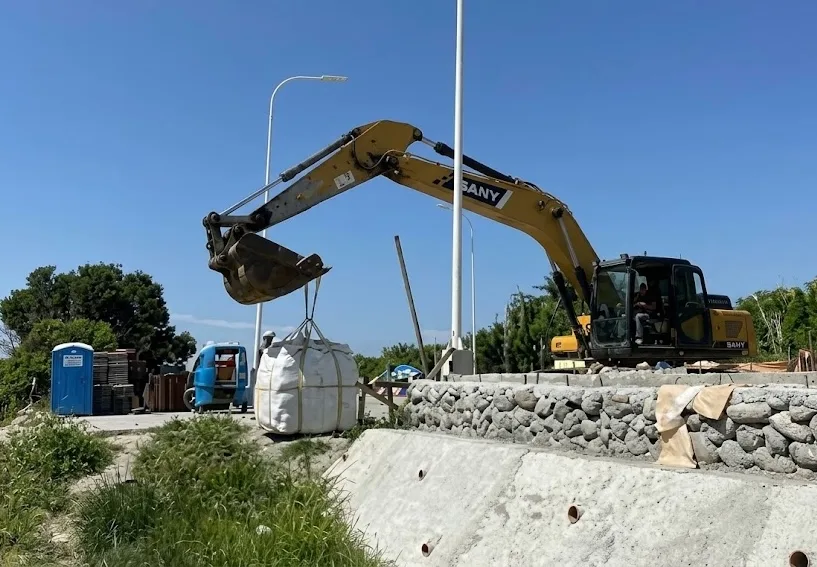
Reconstruction generates activity across multiple sectors. Contractors, suppliers, transport providers, equipment distributors, and professional services often see increased demand during rebuilding periods. While challenges remain, recovery-related spending can create opportunities for local enterprises that contribute to rehabilitation efforts. The process also encourages collaboration between government agencies, private stakeholders, and community organizations. Over time, successful reconstruction can help restore economic momentum while creating commercial environments that are better prepared for future risks. For General Santos City, recovery may ultimately become a catalyst for stronger and more adaptive urban development.