Lessons From the 2026 Earthquake
GENERAL SANTOS CITY - The June 2026 earthquake affected General Santos City and nearby areas, causing damage to buildings, transportation facilities, and community infrastructure. The event disrupted daily routines and affected economic activities in several sectors. Residents and businesses experienced temporary challenges as essential services and mobility were impacted. The earthquake demonstrated how natural disasters can quickly affect urban systems and public safety. It also highlighted the importance of effective emergency response systems, evacuation plans, and reliable public information channels during emergencies.
Strengthening Infrastructure Resilience
Resilient infrastructure plays a critical role in reducing the impact of disasters. Roads, bridges, ports, schools, and public facilities must be designed and maintained with safety considerations in mind. Regular inspections and upgrades can identify weaknesses before natural hazards cause significant damage. In a growing urban center like General Santos City, investments in resilient infrastructure can help protect residents and businesses. These improvements can also minimize disruptions to transportation, commerce, education, and essential services, allowing communities to recover more quickly and maintain stability after future disasters.
Community Preparedness and Recovery
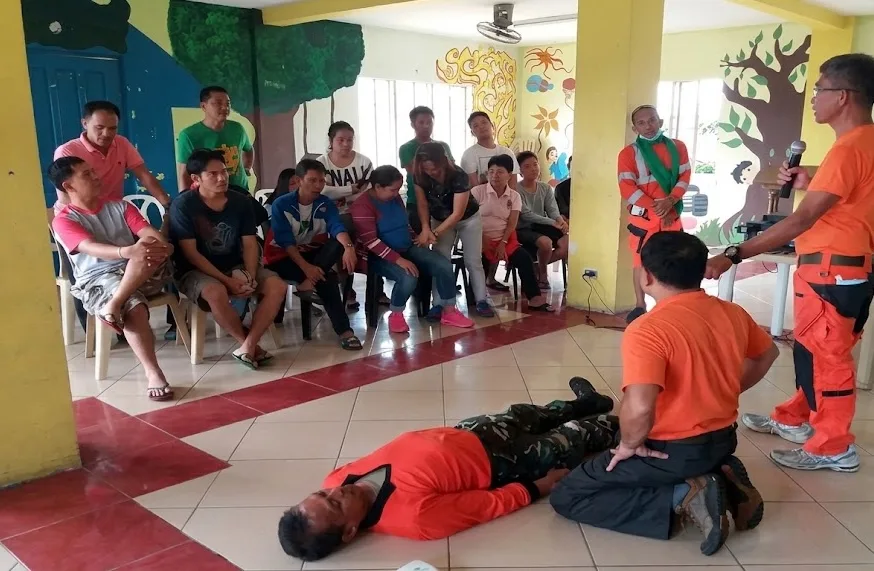
Disaster preparedness is not limited to government agencies; it also depends on informed and engaged communities. Public awareness campaigns, disaster drills, and community-based preparedness programs can help residents understand how to respond during emergencies. These activities encourage individuals and families to prepare emergency supplies and identify safe evacuation routes. Recovery efforts after the earthquake also demonstrated the importance of coordination among local government units, national agencies, and community organizations. Working together, these groups can restore essential services, provide assistance to affected families, and strengthen community resilience for future disasters.