DUMAGUETE CITY — On World Architecture Day, celebrated every first Monday of October, Dumaguete stands apart for architecture that whispers rather than shouts. The City of Gentle People offers a distinct narrative where coastal defense, academic tradition, and walkable urbanism converge into human-scale design.
A Watchtower That Once Guarded the Coast
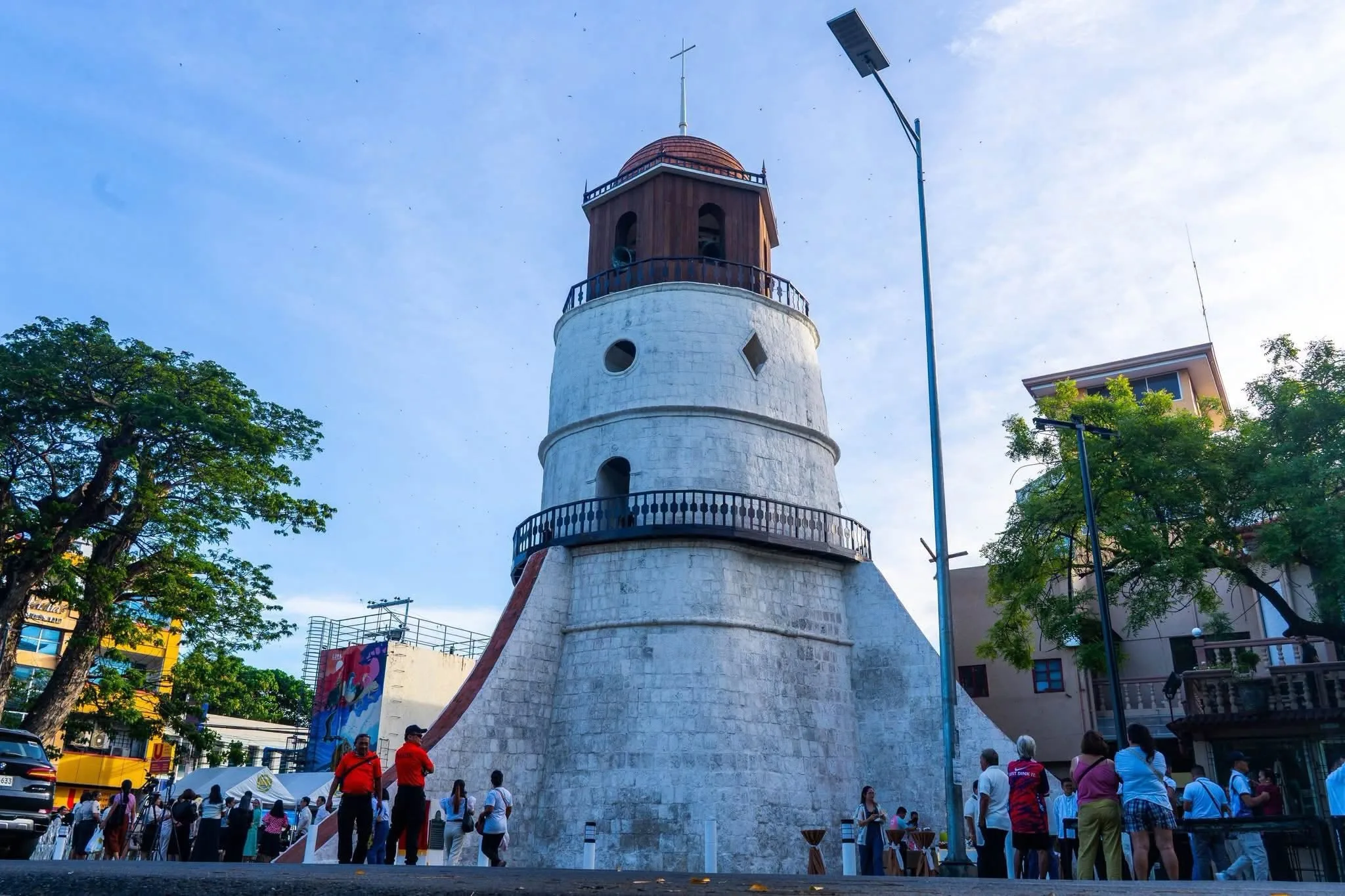
The Dumaguete Belfry, standing beside St. Catherine of Alexandria Cathedral along Perdices Street, is the city's oldest surviving landmark. Built between 1760 and 1811, this four-tiered stone watchtower served as the settlement's primary defense against maritime raids.
Volcanic stone and marine coral blocks bound with lime mortar formed thick circular walls designed to absorb seismic tremors and naval bombardment. Servicemen rang its heavy brass bells to warn residents of incoming pirate vessels, allowing townspeople to retreat into the fortified church compound. Today, the moss-draped tower symbolizes historical resilience.
The adjacent cathedral presents a Renaissance and Baroque revival layout. Its high vaulted nave, arched stained-glass transoms, and shaded porticos facilitate natural airflow, offering a cool sanctuary amid the tropical climate.
Silliman University's Enduring Academic Legacy
No discussion of Dumaguete's built environment is complete without Silliman University. Established in 1901 by American Presbyterian missionaries, its 62-hectare campus is an architectural treasure trove of colonial academic design integrated with tropical greenery.
Silliman Hall, built in 1903, is recognized as the oldest standing American university building in the country. It exemplifies Stick-style American Craftsman architecture adapted for the tropics, featuring expressed exterior wall framing, decorative wooden brackets, and steep gables.
Native hardwoods like molave and ipil form the structure, while wide wrap-around verandas and high ceilings draw ocean breezes from the nearby Tañon Strait. Originally housing offices and classrooms, Silliman Hall now serves as a university museum, demonstrating how historic timber buildings can be preserved for cultural education.
Hibbard Hall, designed during the Commonwealth period, introduces Neoclassical symmetry with high arched corridors and white stucco finishes. The campus master plan features sprawling acacia-lined avenues and pedestrian-first pathways, setting an early standard for sustainable campus design in the Visayas.
Rizal Boulevard: A Model of Walkable Urbanism
The architectural heart of Dumaguete's civic life is Rizal Boulevard, a seaside promenade named after Dr. José Rizal, who visited the city in 1896. Designed during the American Commonwealth administration, it features a wide, tree-shaded esplanade running parallel to the sea.
The layout prioritizes walking, social gathering, and active lifestyles over heavy vehicular traffic. Flanking the inner side is a row of restored early twentieth-century ancestral homes and commercial shophouses, featuring Art Deco, Spanish Colonial, and Neoclassical elements.
Formerly home to wealthy merchant families, these structures now operate as boutique hotels, cafes, and restaurants. By maintaining a low-density, open-air interface between sea and city grid, the boulevard acts as a natural cooling corridor, drawing sea breezes into the downtown district.
Modern Eco-Conscious Expansion
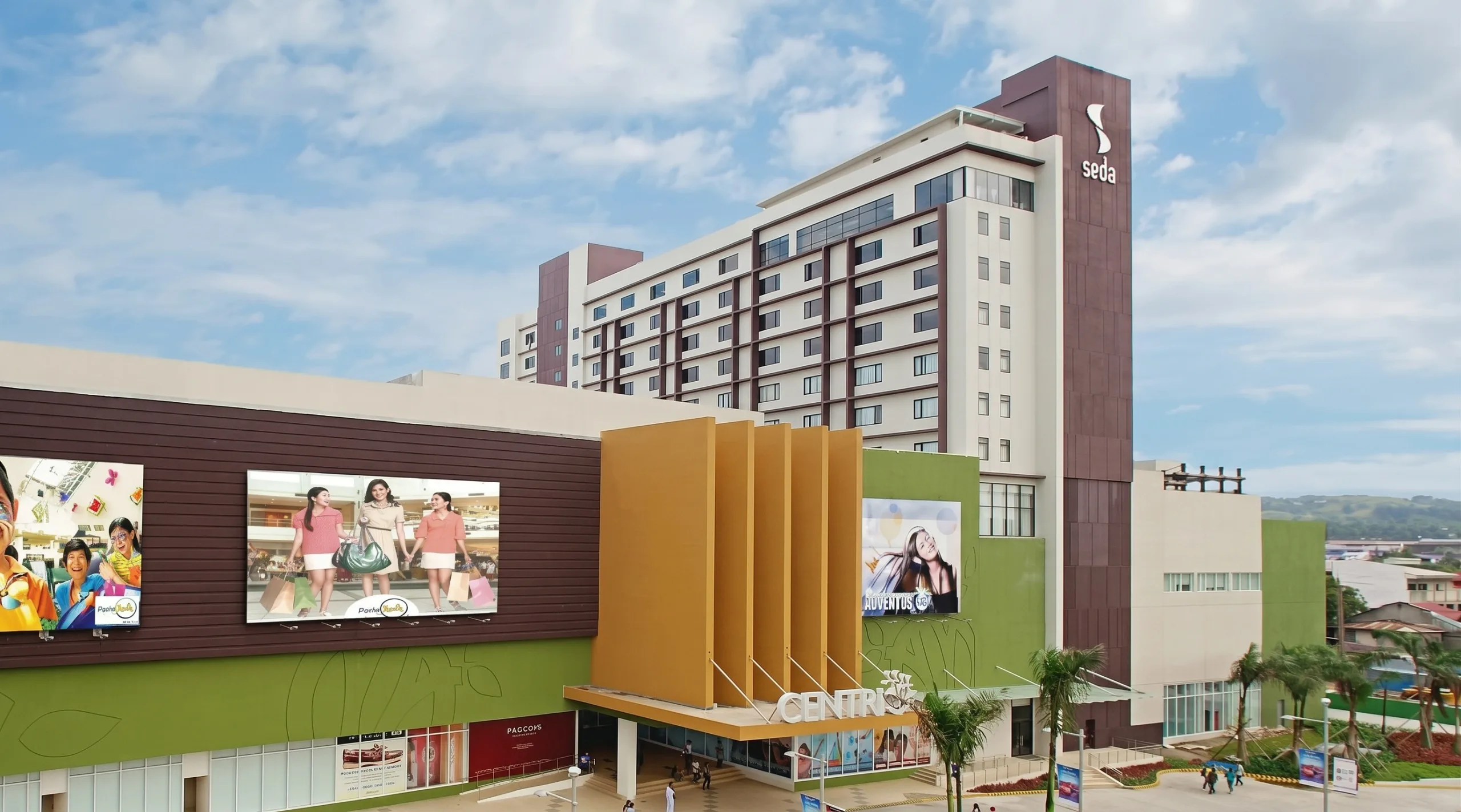
Recent expansions of the promenade incorporate permeable paving materials, energy-efficient LED lighting, and dedicated bike lanes encouraging low-emission transportation. Newer hospitality developments in Dumaguete and nearby Valencia integrate passive solar shading, rainwater collection, and native stone walls.
These modern structures blend harmoniously into the volcanic landscape of Mount Talinis. The city demonstrates that growth need not sacrifice the relaxed coastal charm that defines its identity.
Designing for Community and Calm
What makes Dumaguete compelling on World Architecture Day is not building height but human scale and harmony with nature. The city's identity rests on spaces encouraging people to slow down, converse, and connect with their environment.
As cities worldwide grapple with over-urbanization, Dumaguete offers a quiet, powerful alternative: urban architecture rooted in heritage preservation, walkable public space, and gentle living.